Lost Colonies: 9 Sci-Fi Novels of Stranded Settlers and Forgotten Worlds
When the ships stop coming, settlers must invent themselves. These twelve novels follow cut-off colonies as myths harden, technology fades and descendants wonder what Earth ever was, and whether anyone remembers them at all.
Facebook
Twitter
WhatsApp
Email
Orphans of the Sky
by Robert A. Heinlein
Heinlein Timeline
(Book 23)
An umbrella title for the novelette Universe and its sequel novella Common Sense, published originally in 1941 in two different issues of Astounding Science Fiction. First published under this title in 1963.
Heinlein gives us one of the earliest uses in science fiction of the “generation ship” idea, a huge spaceship transporting an entire community of humans to a destination so distant that generations will pass during its journey. And as Heinlein demonstrates, the origins of the community can become forgotten, misinterpreted, and otherwise distorted with the long passage.
Goodreads: 3.79
Rated 3.79 out of 5
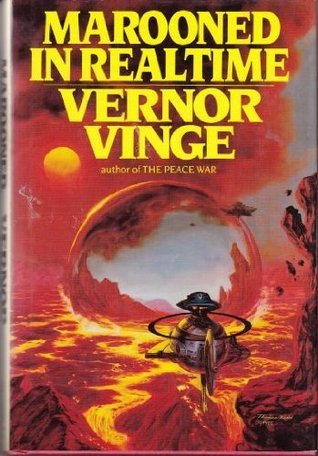
Marooned in Realtime
by Vernor Vinge
Across Realtime
(Book 2)
Fifty million years after humanity vanished, a few scattered survivors who skipped through time in stasis bubbles are left in an empty, ruined Earth. When one of them is murdered, a former detective from the past is brought in to find the killer. The mystery is fascinating, and the story is also an inventive exploration of loneliness and what remains of civilisation when almost everyone is gone.
Goodreads: 4.10
Rated 4.1 out of 5
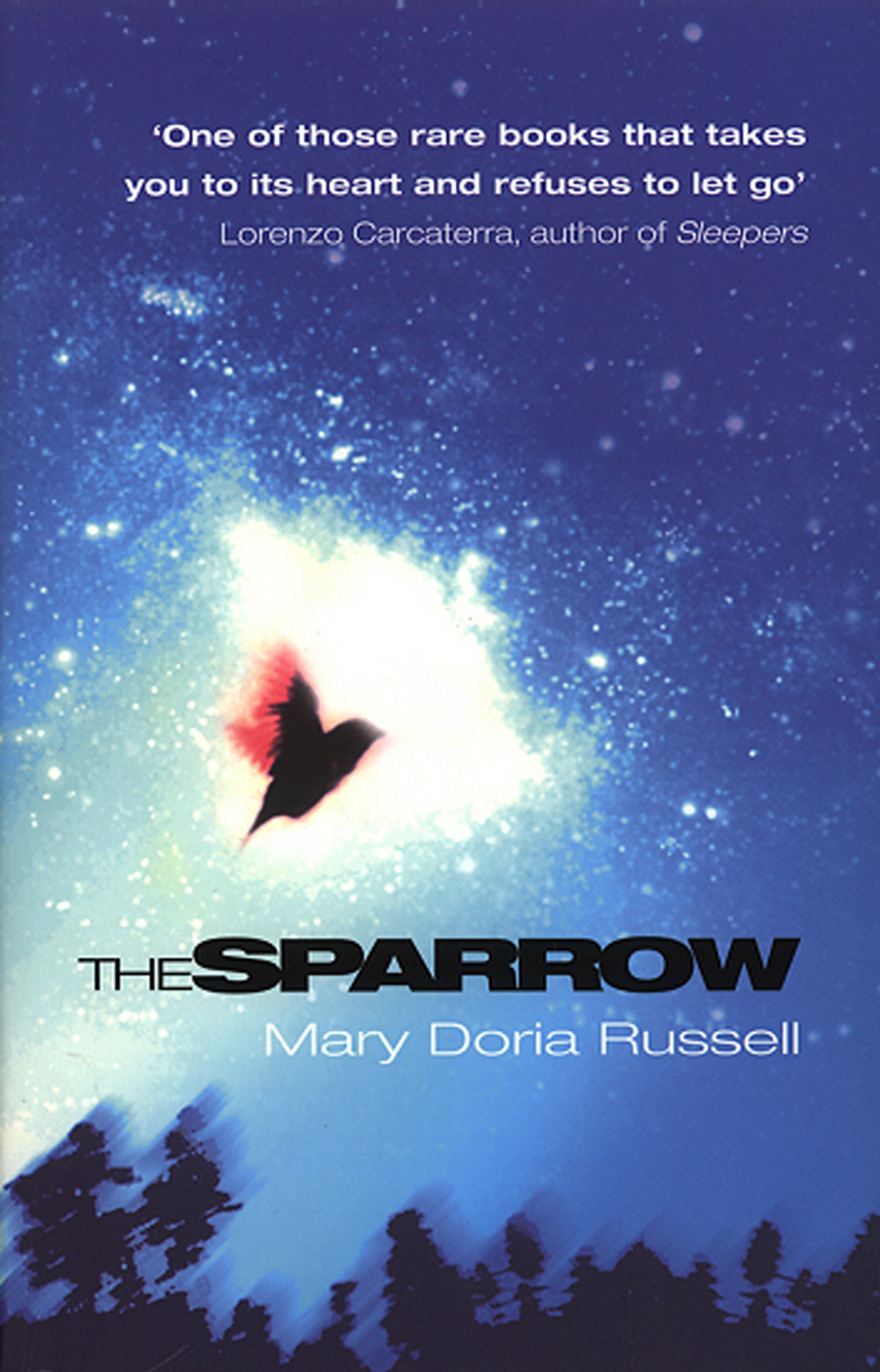
The Sparrow
by Mary Doria Russell
The Sparrow
(Book 1)
In the near future, a Jesuit-led expedition travels to a newly discovered world after humanity detects alien music from space. Years later, a lone, broken survivor returns to face questions about what happened. Russell moves between hope and aftermath with warm characters, rich ideas and emotional force, creating a profound exploration of faith, curiosity and the cost of first contact.
Goodreads: 4.13
Rated 4.13 out of 5
Non-Stop
by Brian W. Aldiss
Curiosity was discouraged in the Greene tribe. Its members lived out their lives in cramped Quarters, hacking away at the encroaching ponics. As to where they were – that was forgotten.
Roy Complain decides to find out. With the renegade priest Marapper, he moves into unmapped territory, where they make a series of discoveries which turn their universe upside-down…
Non-Stop is the classic SF novel of discovery and exploration; a brilliant evocation of a familiar setting seen through the eyes of a primitive.
Goodreads: 3.88
Rated 3.88 out of 5
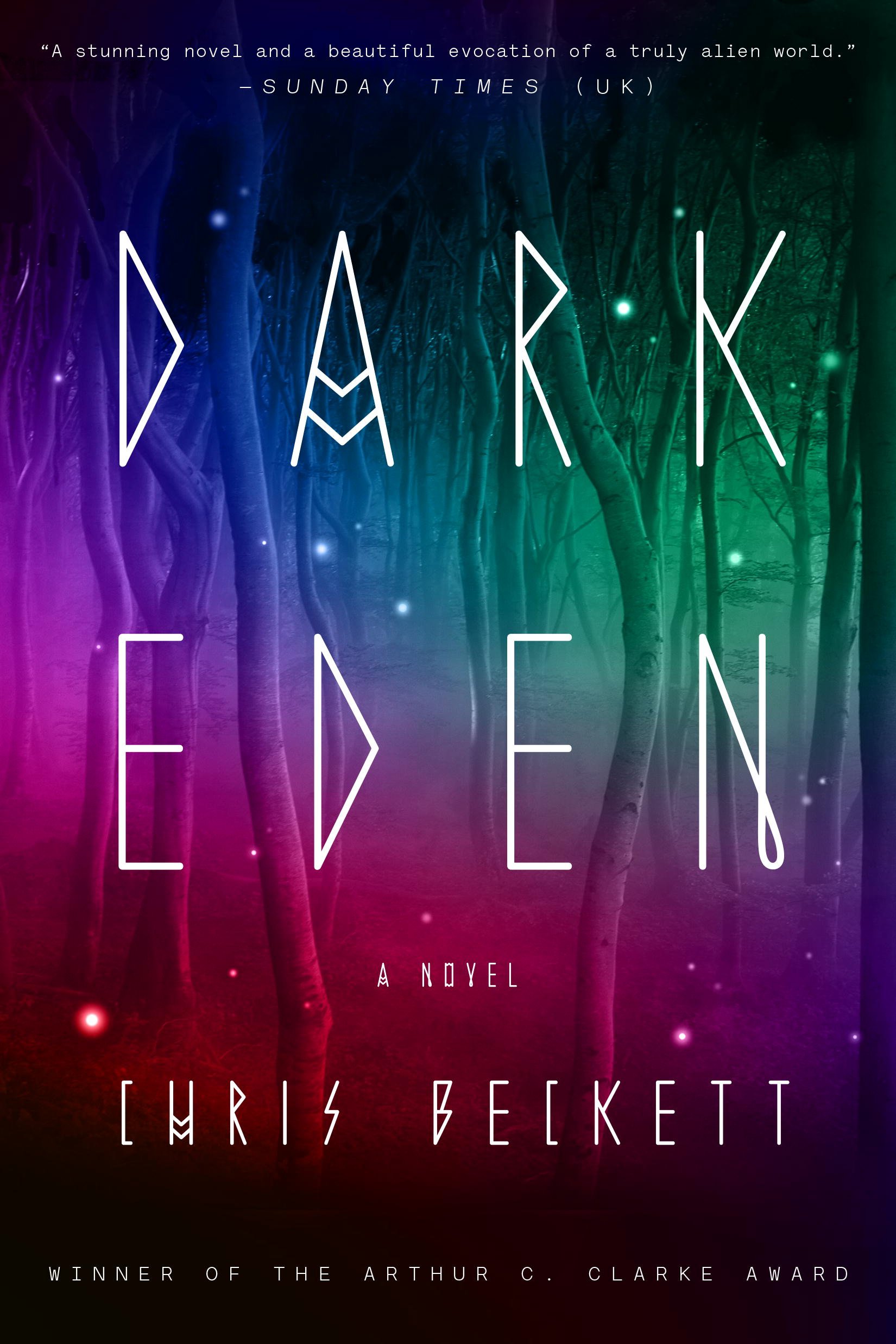
Dark Eden
by Chris Beckett
Eden
(Book 1)
On a lightless, alien planet warmed by strange trees, the descendants of two stranded Earth explorers survive in a small, inbred community. They tell stories of a lost home they call Earth and wait for rescue that never arrives. When one young man questions the tribe’s beliefs and breaks away, he sets in motion a schism that forces his people to confront their myths about exile and return.
Goodreads: 3.79
Rated 3.79 out of 5
Nightside the Long Sun
by Gene Wolfe
The Book of the Long Sun
(Book 1)
Nightside the Long Sun is the beginning of the science fiction masterpiece from Gene Wolfe, Book of the Long Sun
Life on the Whorl, and the struggles and triumphs of Patera Silk to satisfy the demands of the gods, will captivate readers yearning for something new and different in science fiction, for the magic of the future.
Enormous in breadth and scope, Wolfe’s ambitious new work opens out into a world of wonders, of gods and humans, aliens and machines, and mysterious adventures far out in space and deep inside the human spirit. It is set on a ship-world whose origins are shrouded in legend, ruled by strange gods who appear infrequently to their worshippers on large screens, and peopled by a human race changed by eons of time, yet familiar.
Goodreads: 4.10
Rated 4.1 out of 5
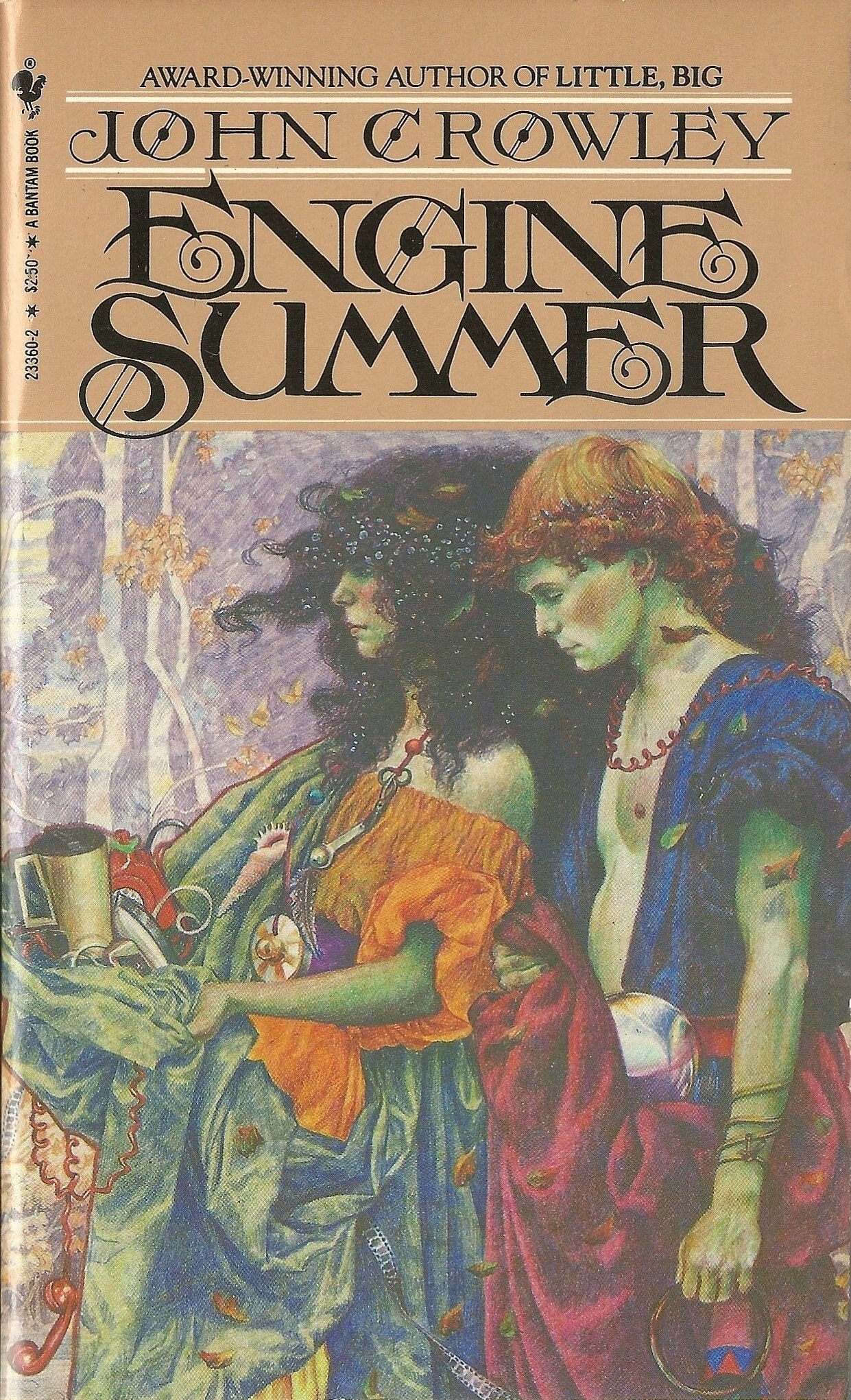
Engine Summer
by John Crowley
In a quiet, ruined America long after a great collapse, a young man named Rush that Speaks recalls his life in a gentle community of storytellers, then leaves to search for a mysterious city. Crowley’s lyrical, dreamlike narrative leaves the old world’s technology half understood and its meanings drifting. It is a tender, strange book about memory, myth and the stories survivors tell.
Goodreads: 3.99
Rated 3.99 out of 5
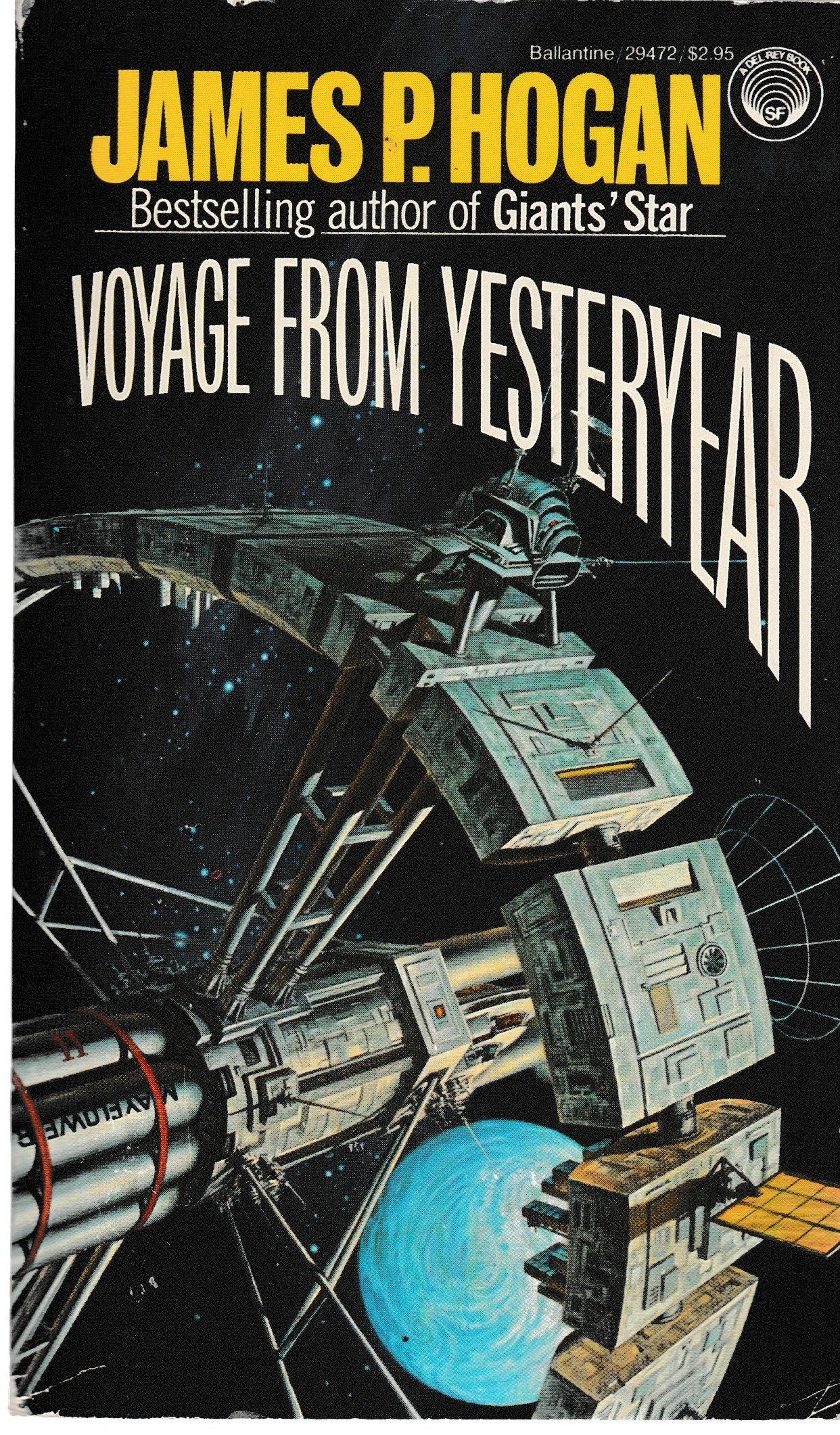
Voyage from Yesteryear
by James P. Hogan
Earth sends a colony ship to a distant world, but the settlers there have been raised by robots, free from money, politics and rulers. Decades later, a second ship arrives carrying a rigid, authoritarian old guard who expect obedience. What follows is a clever, witty clash between two ways of organising human life, and a question about which will prove stronger when ideals meet entrenched habit.
Goodreads: 3.93
Rated 3.93 out of 5
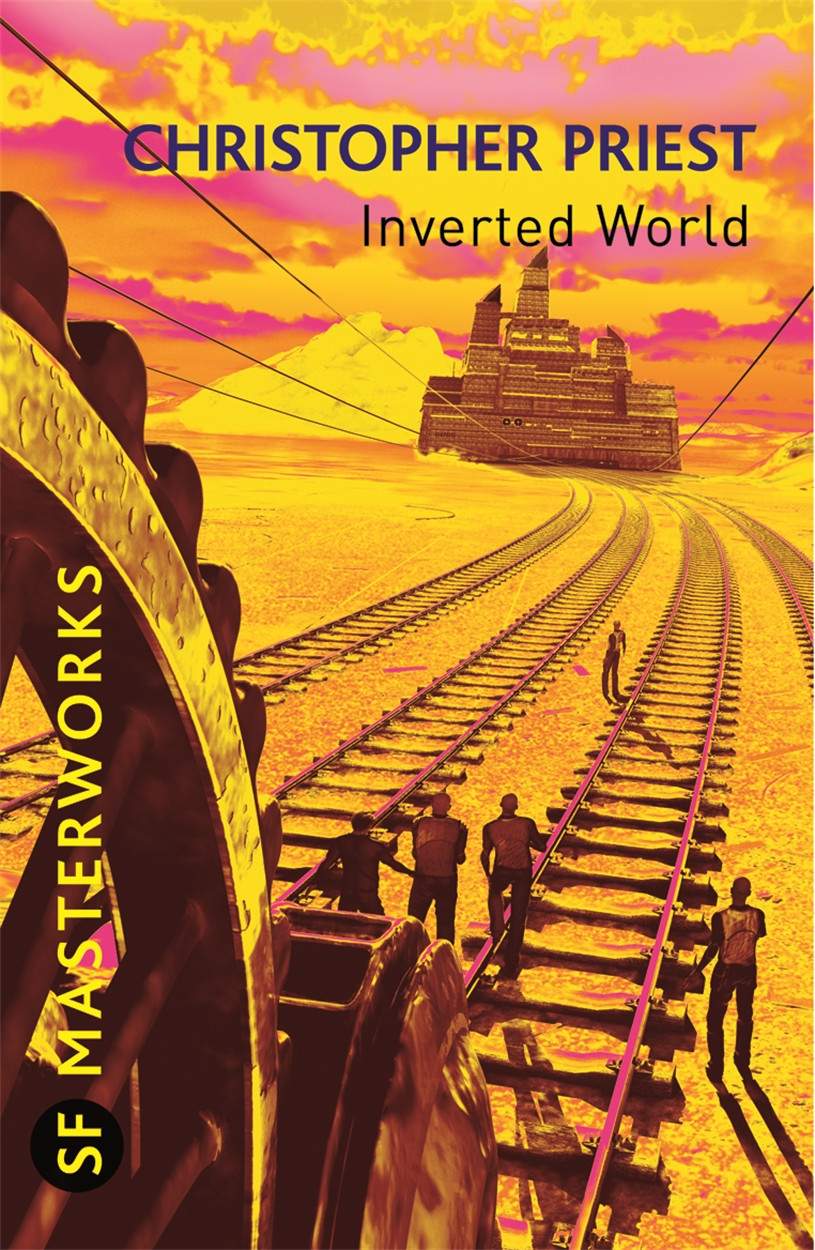
Inverted World
by Christopher Priest
Helward Mann belongs to a city that must keep moving along railway tracks it lays in front of itself and tears up behind, forever chasing an optimum point that slips away. When his guild duties finally take him beyond the walls, he discovers that everything he has been taught is oddly skewed. A disorienting, wonderfully strange 1974 puzzle of perception.