Skilled Hands: 6 Sci-Fi Novels of Engineers, Builders and Fixers
Behind every starship and megaproject is someone who makes it work. These eight novels put engineers, mechanics and builders at centre stage, celebrating practical ingenuity, stubborn craft and the satisfaction of fixing the impossible.
Facebook
Twitter
WhatsApp
Email
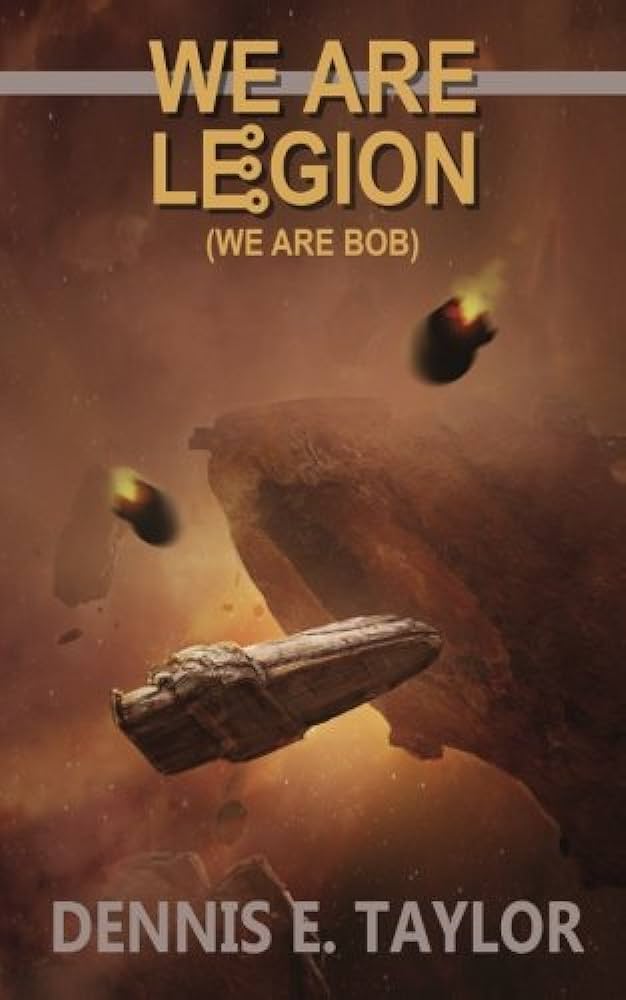
We Are Legion (We Are Bob)
by Dennis E. Taylor
Bobiverse
(Book 1)
Bob Johansson has just sold his software company and is looking forward to a life of leisure. There are places to go, books to read, and movies to watch. So it’s a little unfair when he gets himself killed crossing the street.
Bob wakes up a century later to find that corpsicles have been declared to be without rights, and he is now the property of the state. He has been uploaded into computer hardware and is slated to be the controlling AI in an interstellar probe looking for habitable planets. The stakes are high: no less than the first claim to entire worlds. If he declines the honor, he’ll be switched off, and they’ll try again with someone else. If he accepts, he becomes a prime target. There are at least three other countries trying to get their own probes launched first, and they play dirty.
The safest place for Bob is in space, heading away from Earth at top speed. Or so he thinks. Because the universe is full of nasties, and trespassers make them mad – very mad.
Goodreads: 4.23
Rated 4.23 out of 5
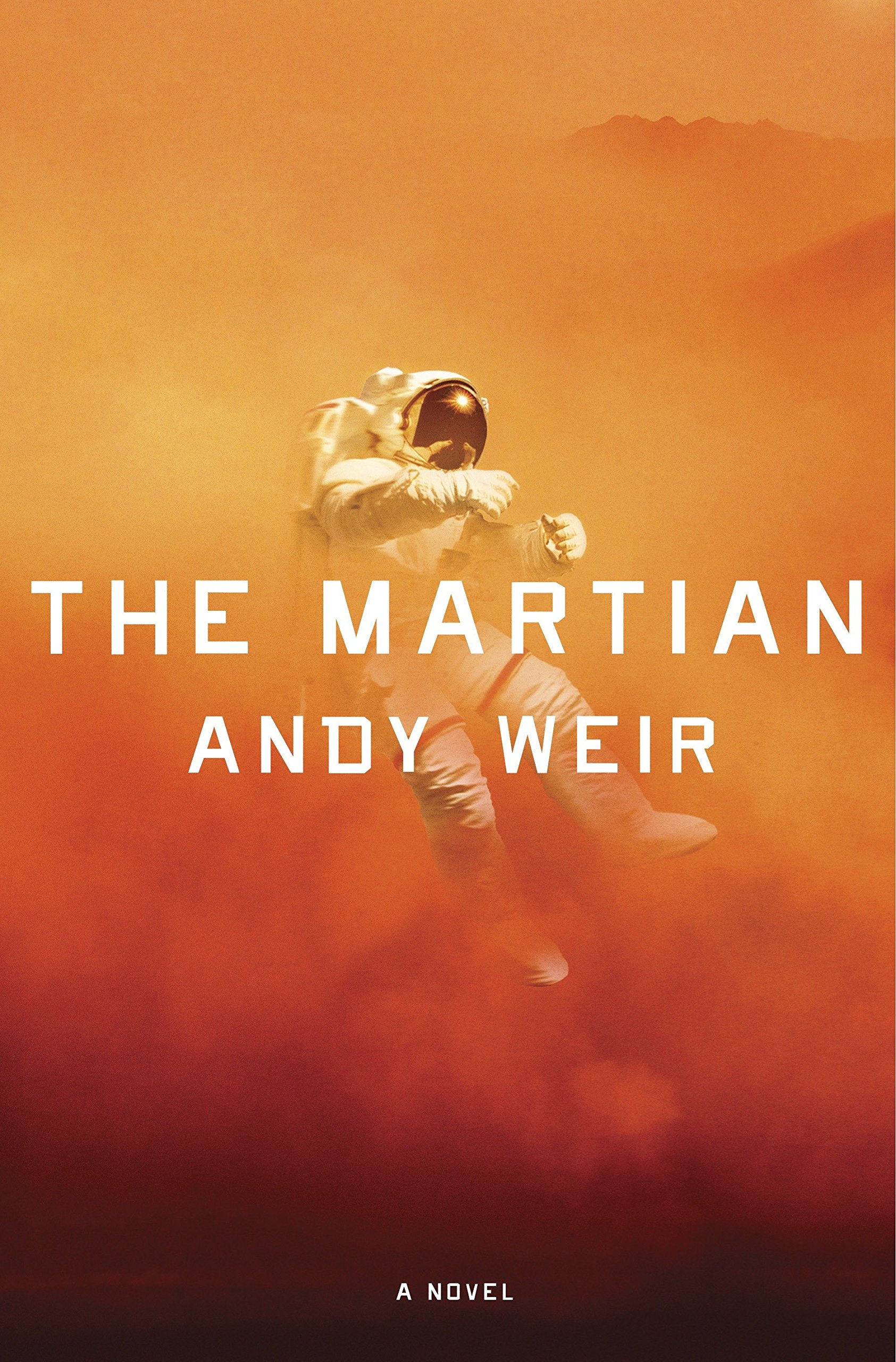
The Martian
by Andy Weir
The Martian
(Book 1)
Six days ago, astronaut Mark Watney became one of the first people to walk on Mars.
Now, he’s sure he’ll be the first person to die there.
After a dust storm nearly kills him and forces his crew to evacuate while thinking him dead, Mark finds himself stranded and completely alone with no way to even signal Earth that he’s alive—and even if he could get word out, his supplies would be gone long before a rescue could arrive.
Chances are, though, he won’t have time to starve to death. The damaged machinery, unforgiving environment, or plain-old “human error” are much more likely to kill him first.
But Mark isn’t ready to give up yet. Drawing on his ingenuity, his engineering skills — and a relentless, dogged refusal to quit — he steadfastly confronts one seemingly insurmountable obstacle after the next. Will his resourcefulness be enough to overcome the impossible odds against him?
Goodreads: 4.42
Rated 4.42 out of 5
All Systems Red
by Martha Wells
The Murderbot Diaries
(Book 1)
“As a heartless killing machine, I was a complete failure.”
In a corporate-dominated space-faring future, planetary missions must be approved and supplied by the Company. For their own safety, exploratory teams are accompanied by Company-supplied security androids. But in a society where contracts are awarded to the lowest bidder, safety isn’t a primary concern.
On a distant planet, a team of scientists is conducting surface tests, shadowed by their Company-supplied ‘droid–a self-aware SecUnit that has hacked its own governor module and refers to itself (though never out loud) as “Murderbot.” Scornful of humans, Murderbot wants is to be left alone long enough to figure out who it is, but when a neighboring mission goes dark, it’s up to the scientists and Murderbot to get to the truth.
Goodreads: 4.10
Rated 4.1 out of 5
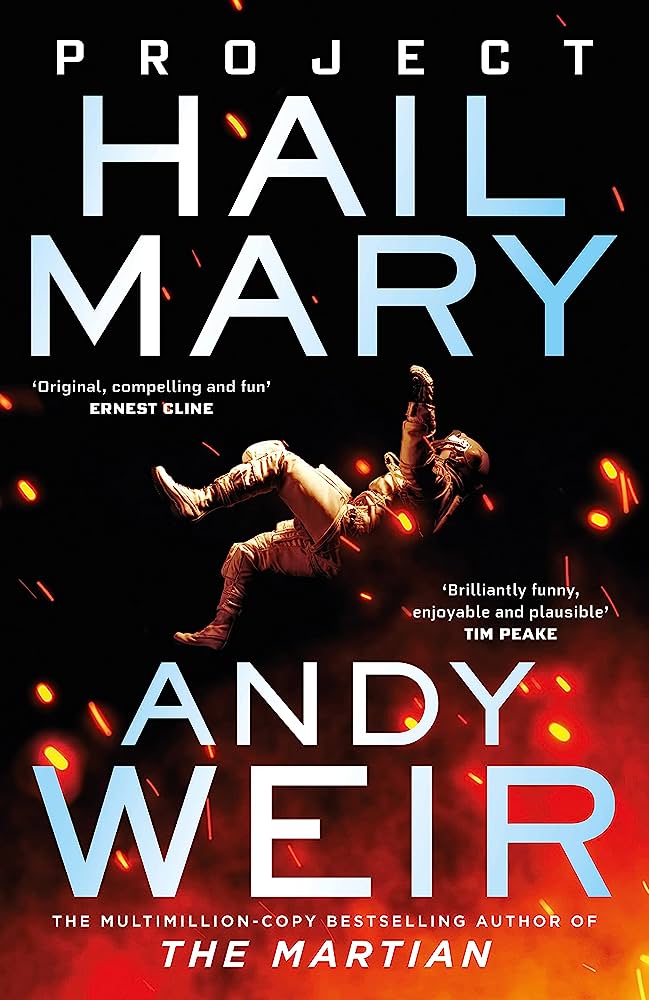
Project Hail Mary
by Andy Weir
Ryland Grace is the sole survivor on a desperate, last-chance mission—and if he fails, humanity and the earth itself will perish.
Except that right now, he doesn’t know that. He can’t even remember his own name, let alone the nature of his assignment or how to complete it.
All he knows is that he’s been asleep for a very, very long time. And he’s just been awakened to find himself millions of miles from home, with nothing but two corpses for company.
His crewmates dead, his memories fuzzily returning, Ryland realizes that an impossible task now confronts him. Hurtling through space on this tiny ship, it’s up to him to puzzle out an impossible scientific mystery—and conquer an extinction-level threat to our species.
And with the clock ticking down and the nearest human being light-years away, he’s got to do it all alone.
Or does he?
Goodreads: 4.51
Rated 4.51 out of 5
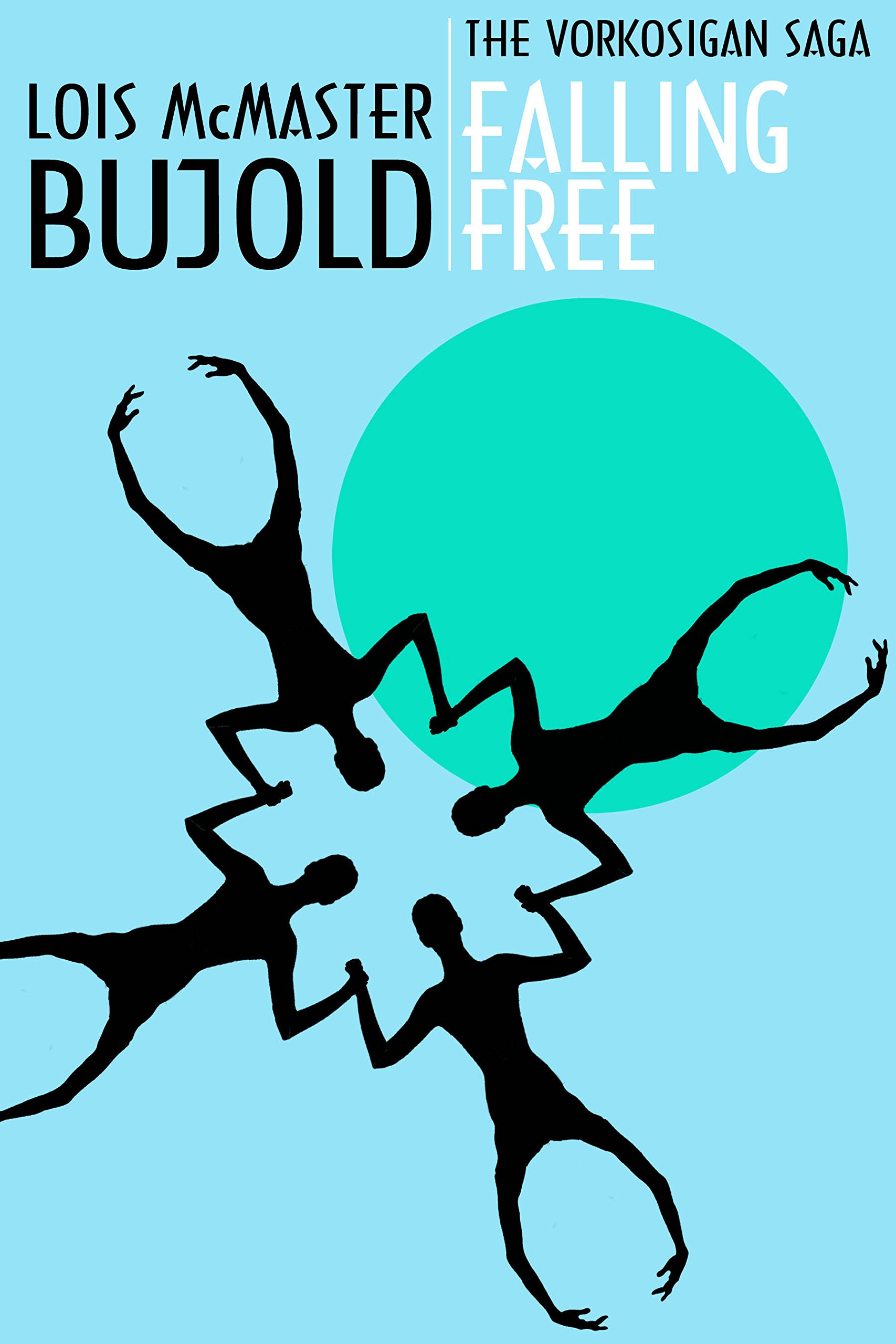
Falling Free
by Lois McMaster Bujold
Vorkosigan Saga
(Book 1)
An engineer arrives at an orbital research station to teach welding to a generation of genetically engineered workers, the Quaddies, who were designed for zero gravity. When their corporate owners decide they are expendable, he must help them fight for freedom. It is a warm, tightly plotted tale of ethics, ingenuity and community in free fall, set long before Miles Vorkosigan’s own adventures.
Goodreads: 3.84
Rated 3.84 out of 5
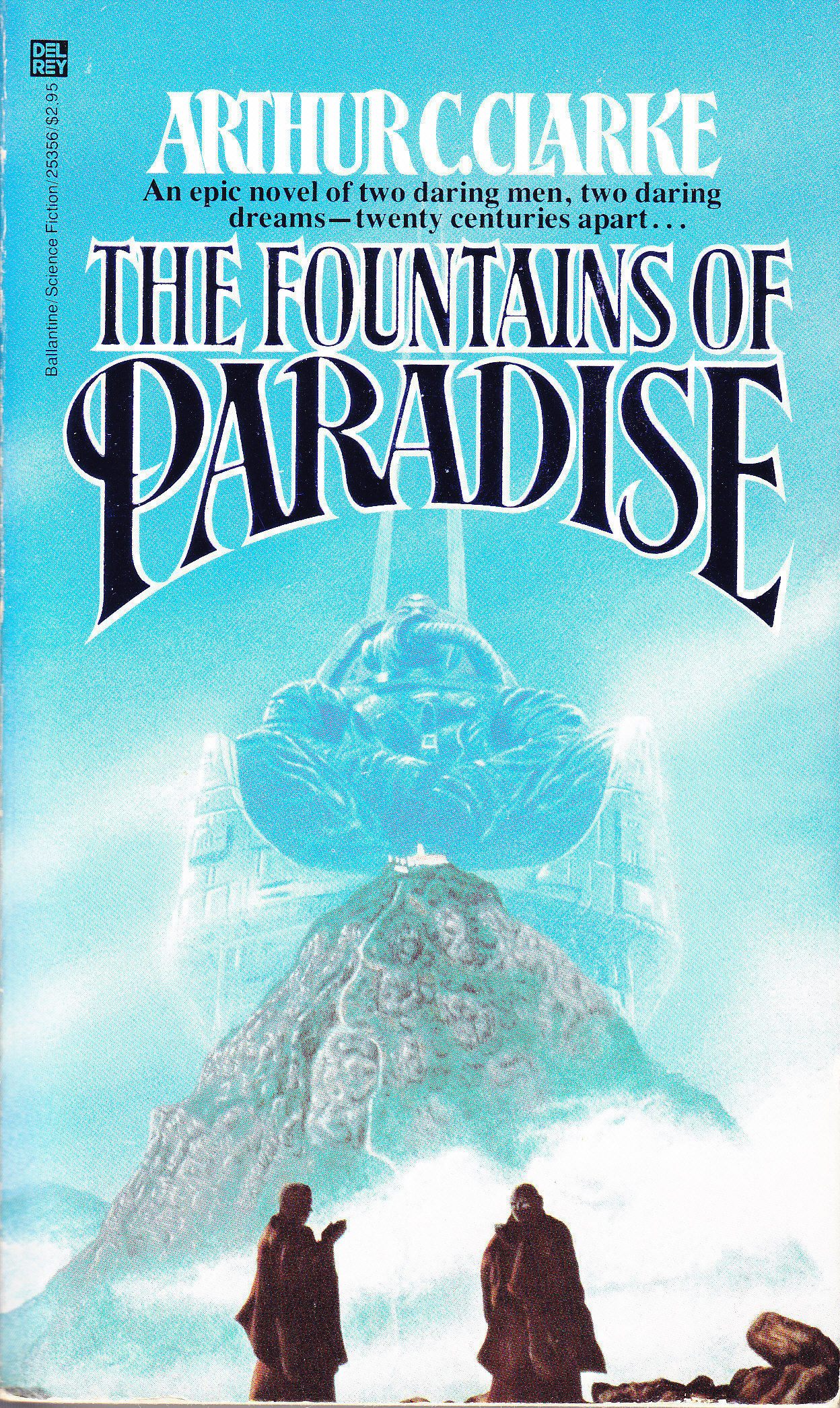
The Fountains of Paradise
by Arthur C. Clarke
Engineer Vannevar Morgan dreams of building a colossal elevator that reaches from the equator of Taprobane, a fictional island, up to a station in orbit. Standing in his way are rival ambitions, mountainous engineering problems and a sacred monastery on the ideal site. Clarke weaves ancient kings, human stubbornness and visionary science into a calm, awe-filled story that helped popularise the space elevator.