Mortal Voices: 11 Fantasy Novels Narrated by Women the Myths Forgot
Myths are crowded with women who exist only to be rescued, cursed or abandoned. These eleven novels hand them the narration, and the old stories change shape entirely.
Facebook
Twitter
WhatsApp
Email
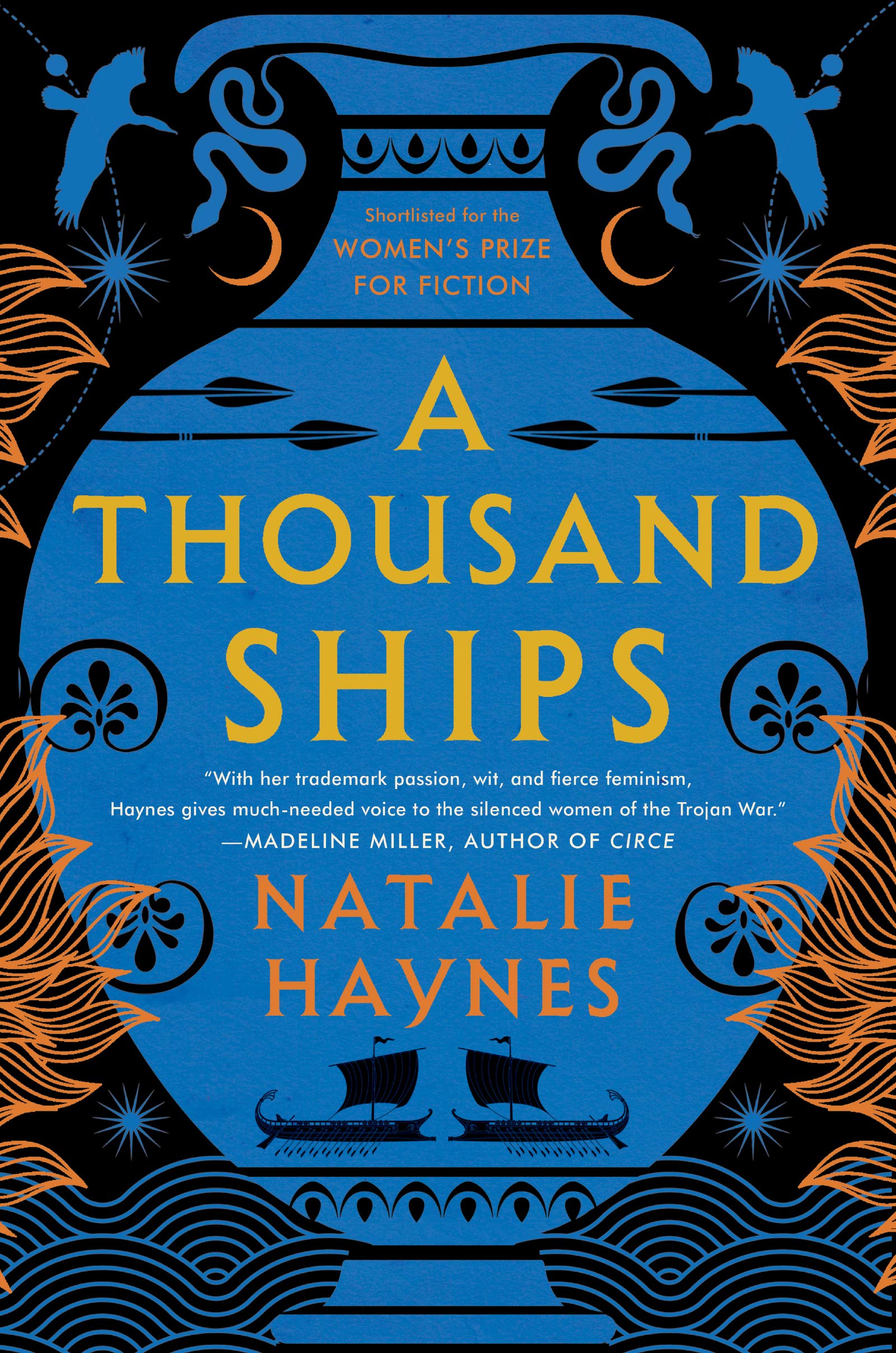
A Thousand Ships
by Natalie Haynes
The Trojan War seen from the other side of the battlements. Haynes gathers the voices of Troy’s women, from Hecuba and Cassandra to Briseis, alongside the goddesses who steer events from above. Their stories interleave across ten years of siege and its devastating aftermath, giving fury, grief and wit to those the Iliad treats as spoils or footnotes. It is a vivid, bitingly funny and deeply humane mosaic.
Goodreads: 4.04
Rated 4.04 out of 5
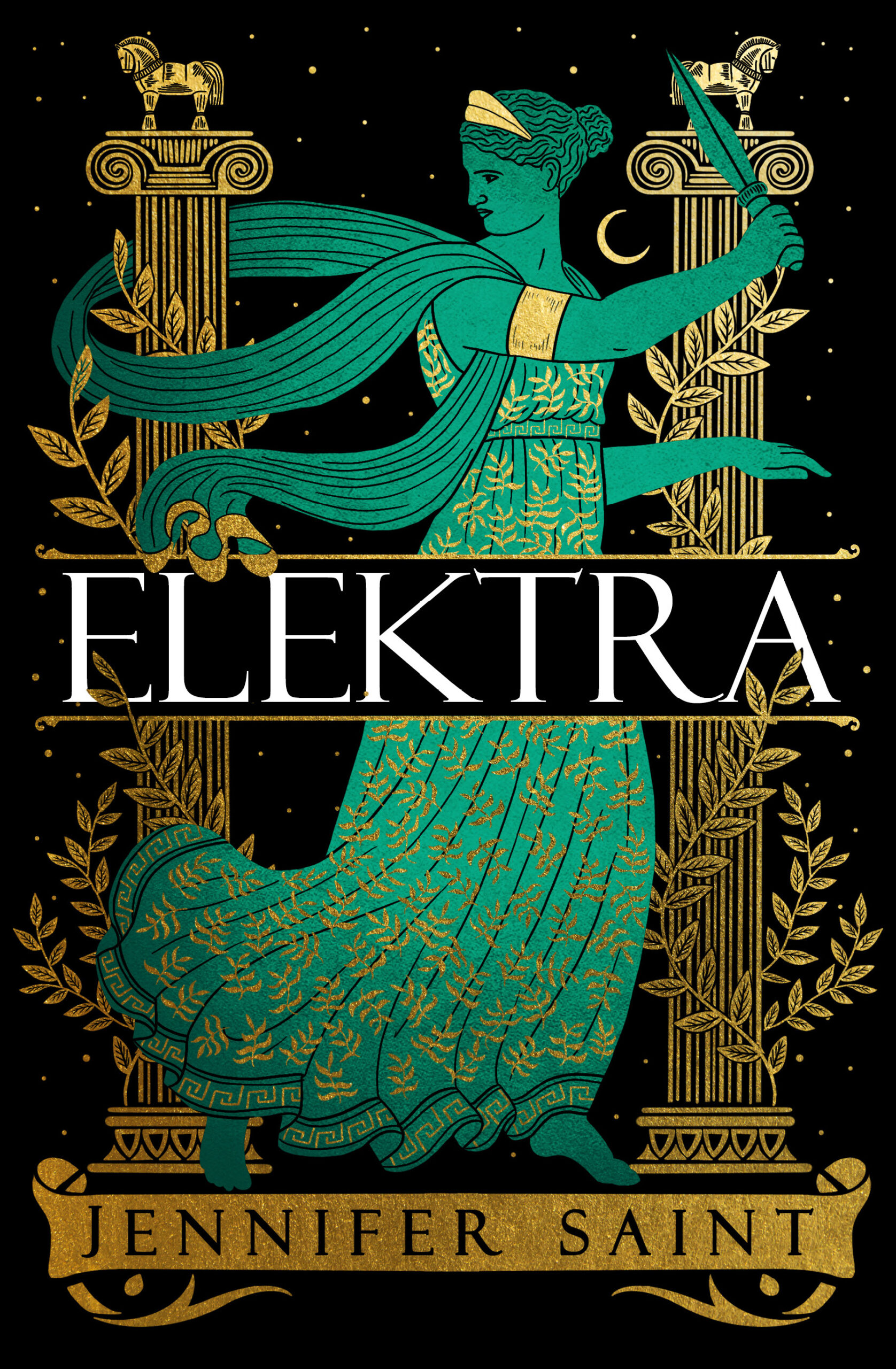
Elektra
by Jennifer Saint
Three women stand in the shadow of the doomed House of Atreus: Clytemnestra, grieving and furious. Cassandra, cursed to be disbelieved. And Elektra, who is consumed by hatred. As Troy burns and a king returns home, their stories collide in vengeance and bloodshed. Saint reclaims the women of the Trojan War, setting their voices against fate, family and the cold will of the gods.
Goodreads: 3.65
Rated 3.65 out of 5
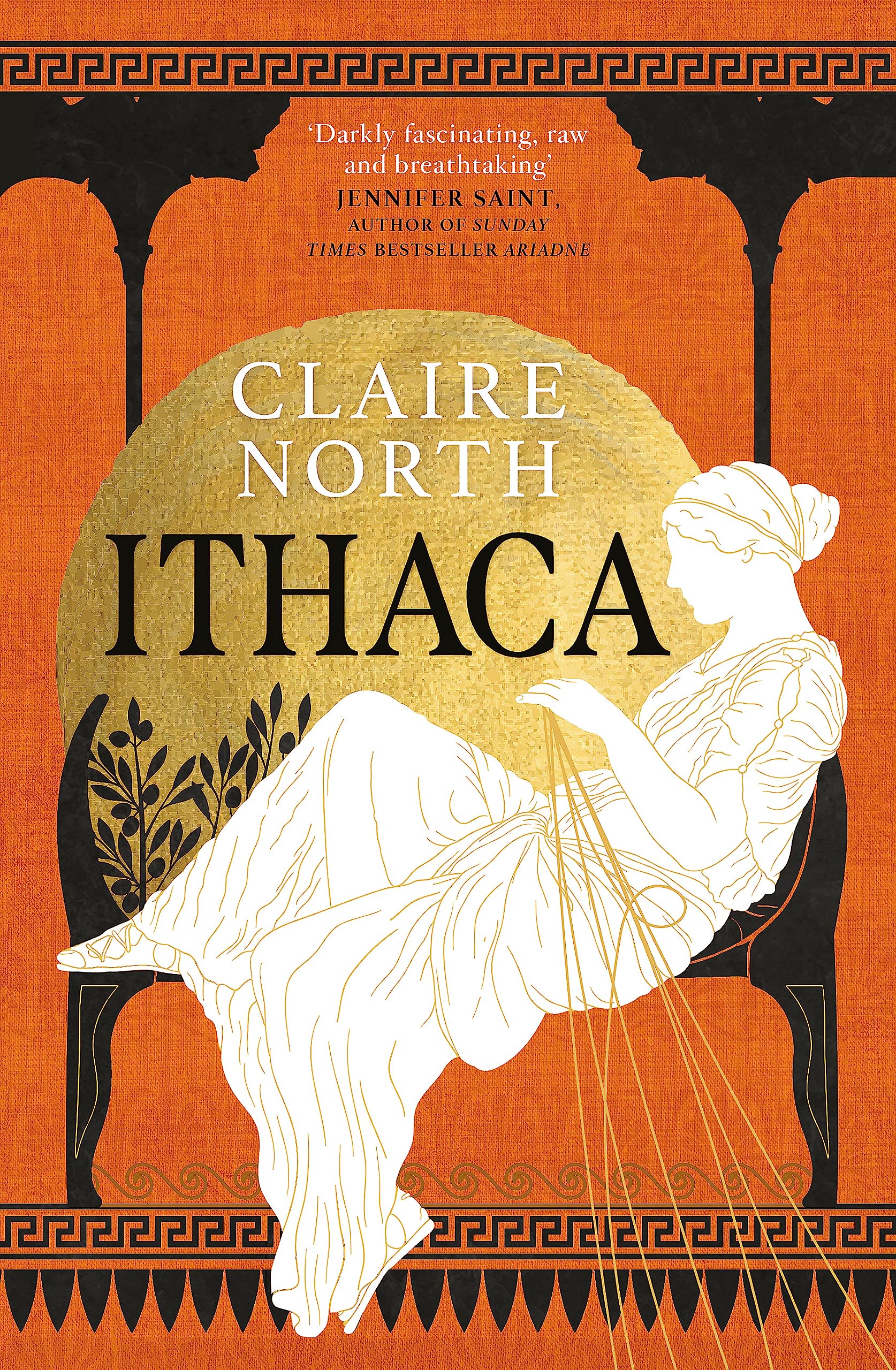
Ithaca
by Claire North
Songs of Penelope
(Book 1)
With Odysseus gone for twenty years, Queen Penelope holds a restless island together against scheming suitors, rival kings and a son straining to be a man. Goddesses such as Hera watch and meddle from the margins. North’s version is sharp, political and quietly spellbinding, showing how much power lay in a waiting wife’s hands and what it cost her to keep a kingdom intact.
Goodreads: 3.68
Rated 3.68 out of 5
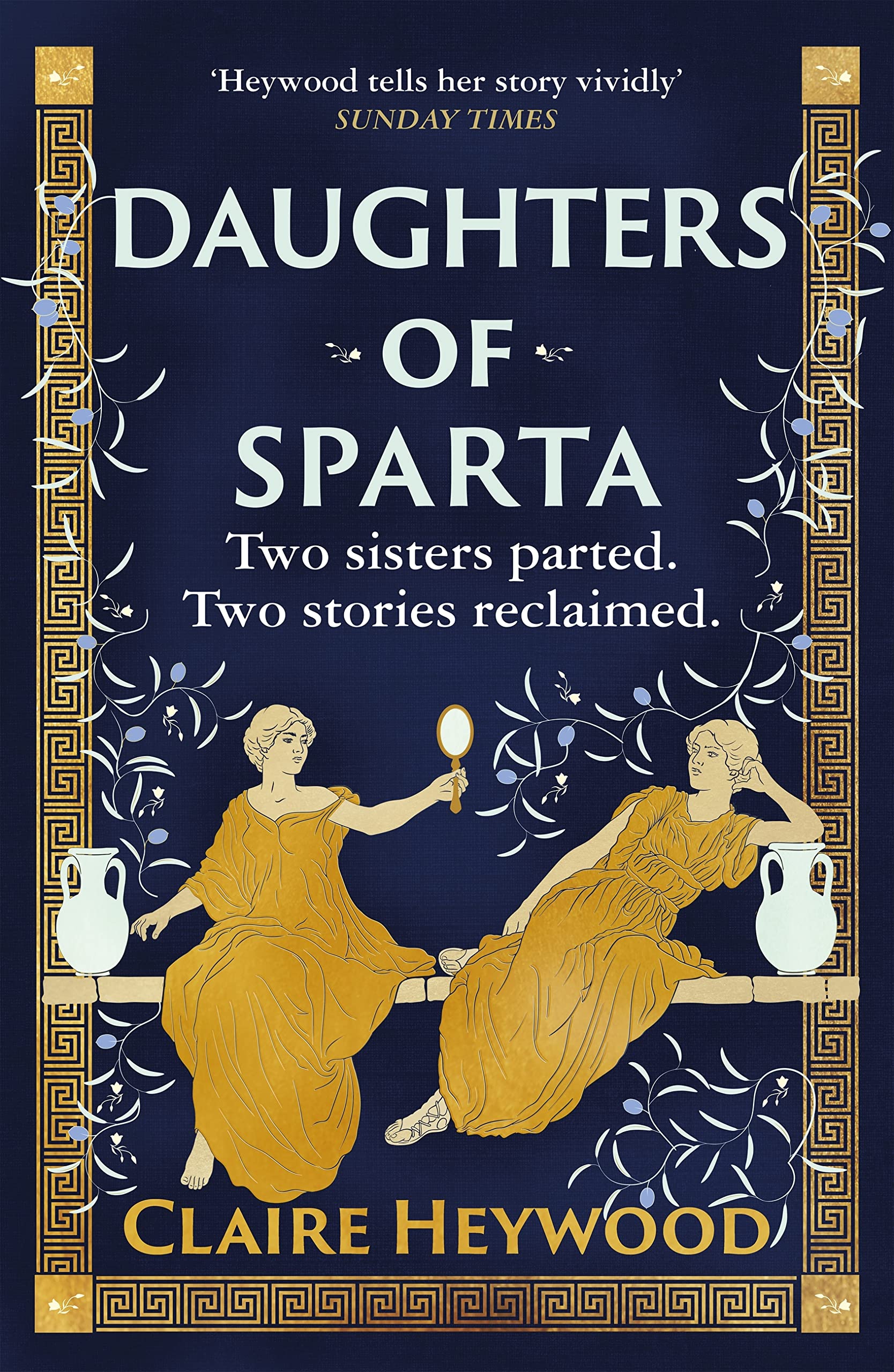
Daughters of Sparta
by Claire Heywood
Helen and her sister Klytemnestra grow up in Sparta, where their fates are decided by men and gods alike. As Troy looms, the sisters struggle to claim some agency in a world that treats them as prizes. A gritty, human portrait of two women history remembers as villains and causes of war.
Goodreads: 3.85
Rated 3.85 out of 5
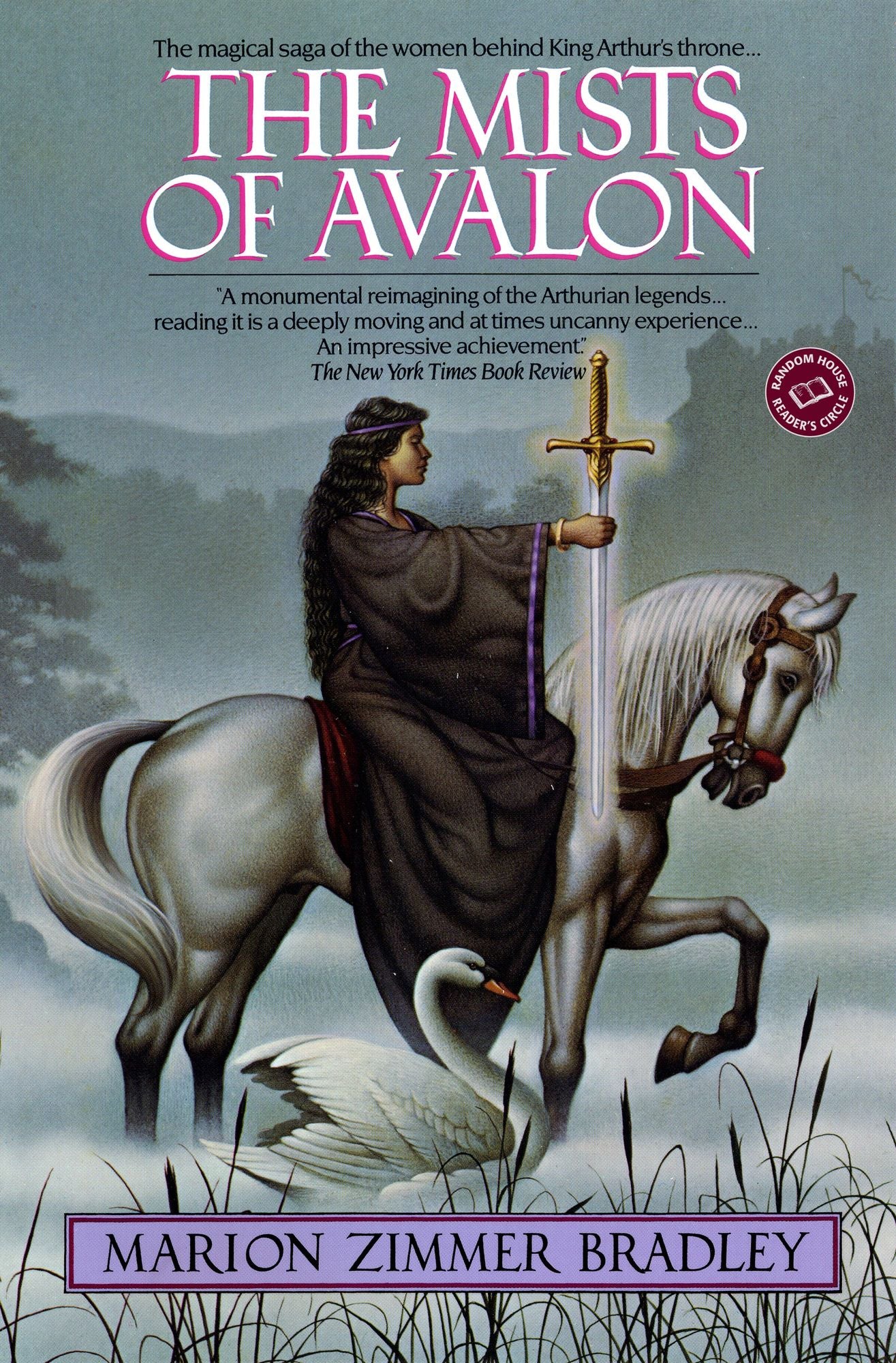
The Mists of Avalon
by Marion Zimmer Bradley
Avalon
(Book 1)
The Arthurian legend is retold through the women who shaped it: Morgaine, Gwenhwyfar, Igraine and the priestesses of Avalon. As Roman Britain fades and Christianity spreads across the land, the old Goddess-worshipping ways grow ever more fragile. Bradley builds a sweeping post-Roman world of sacred groves, shifting mist and political ambition, offering a vivid and influential feminist reimagining of a story many think they know.
Goodreads: 4.13
Rated 4.13 out of 5
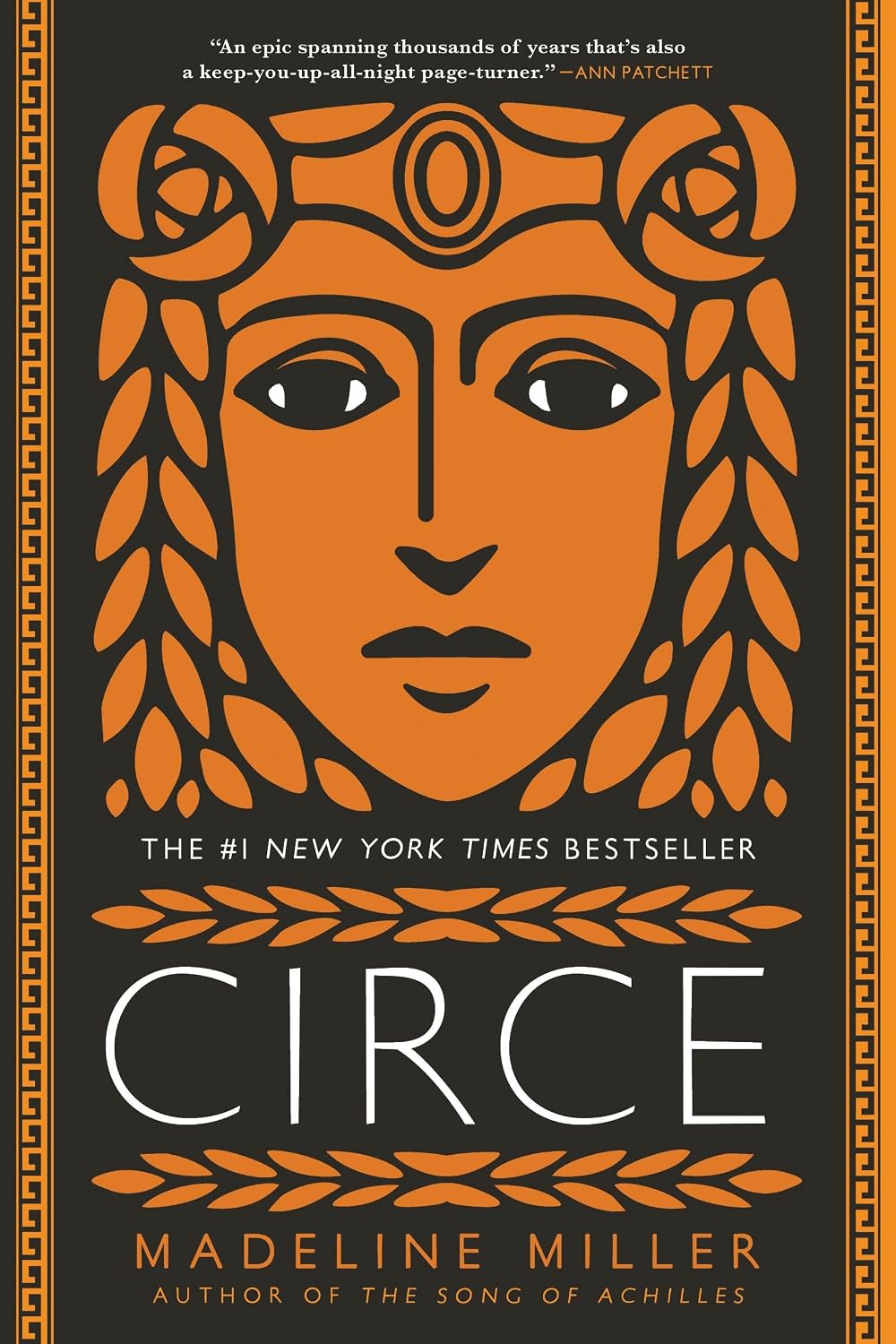
Circe
by Madeline Miller
Born a minor, overlooked goddess in the halls of the Titan Helios, Circe discovers that she has the power of witchcraft and is exiled to a lonely island. There she hones her craft, meets famous figures such as Daedalus, Odysseus and the Minotaur, and must choose between the divine world and the mortal one. A lyrical, character-driven reimagining of Greek myth.
Goodreads: 4.22
Rated 4.22 out of 5
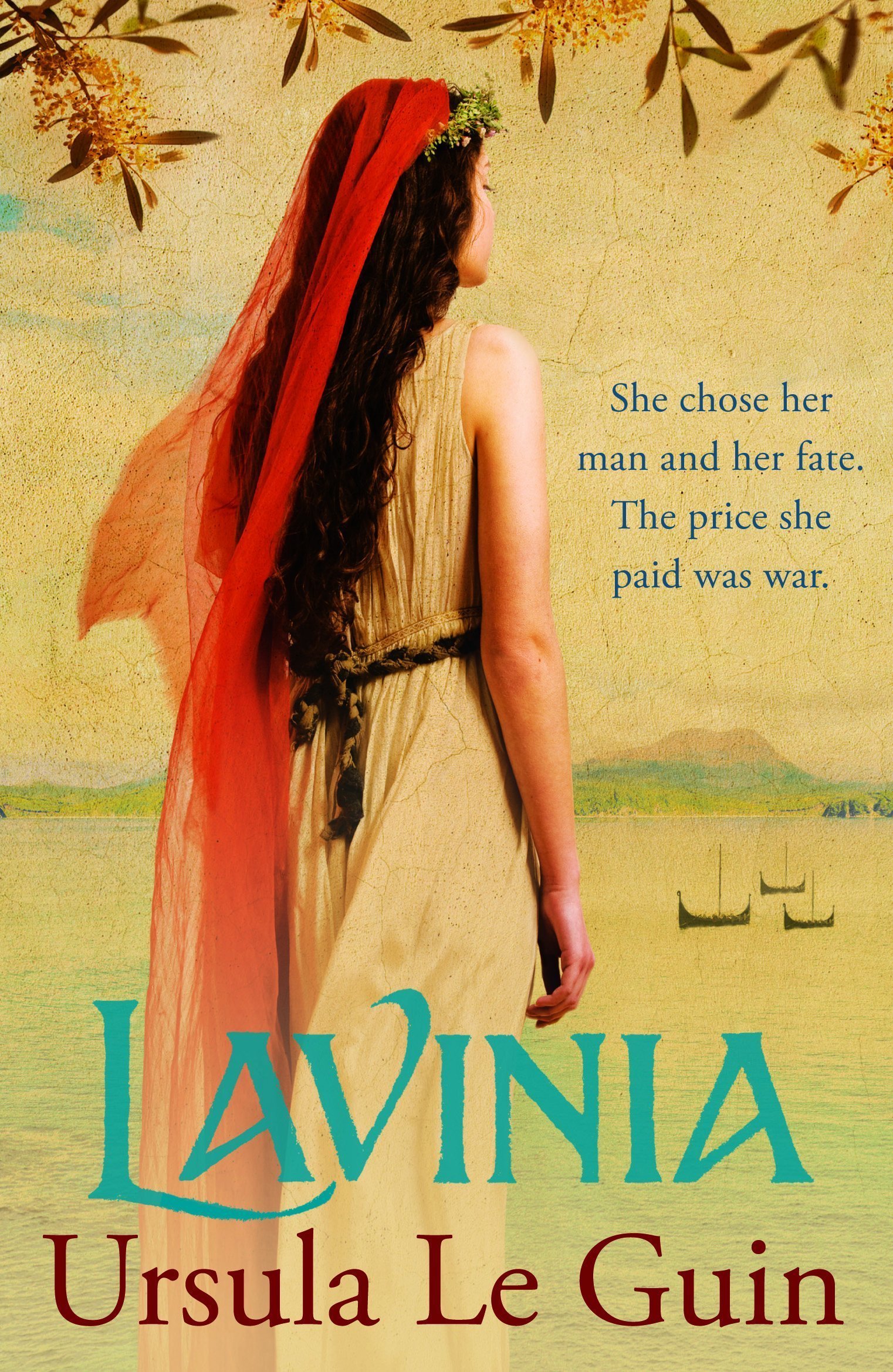
Lavinia
by Ursula K. Le Guin
Lavinia is a minor figure in Virgil’s Aeneid. She is promised in marriage to the Trojan hero Aeneas and barely speaks. Le Guin gives her a voice. Lavinia grows up in early Latium, hears omens from a sacred grove, and meets the dying poet who will write her story. It is a quiet, intelligent novel about living inside a destiny that has already been decided, and about the freedom to understand it.
Goodreads: 3.87
Rated 3.87 out of 5
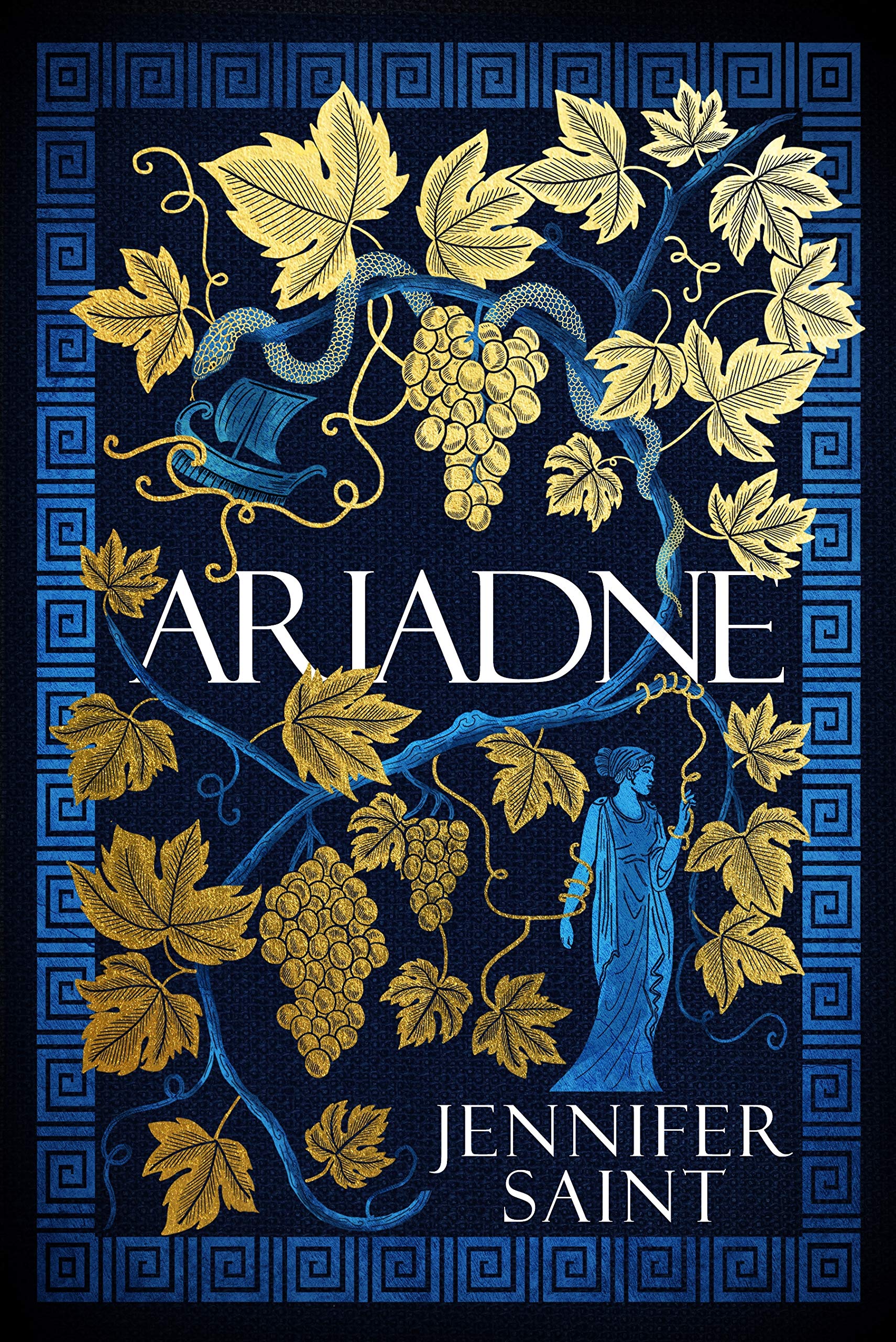
Ariadne
by Jennifer Saint
Princess of Crete, Ariadne grows up in the shadow of the Minotaur, her monstrous half-brother, in the labyrinth beneath her father’s palace. When Theseus arrives from Athens to face the beast, she risks everything to help him, only to learn what heroes owe to the women who aid them. A moving retelling that reclaims a famous myth from the people it overlooked.
Goodreads: 3.78
Rated 3.78 out of 5
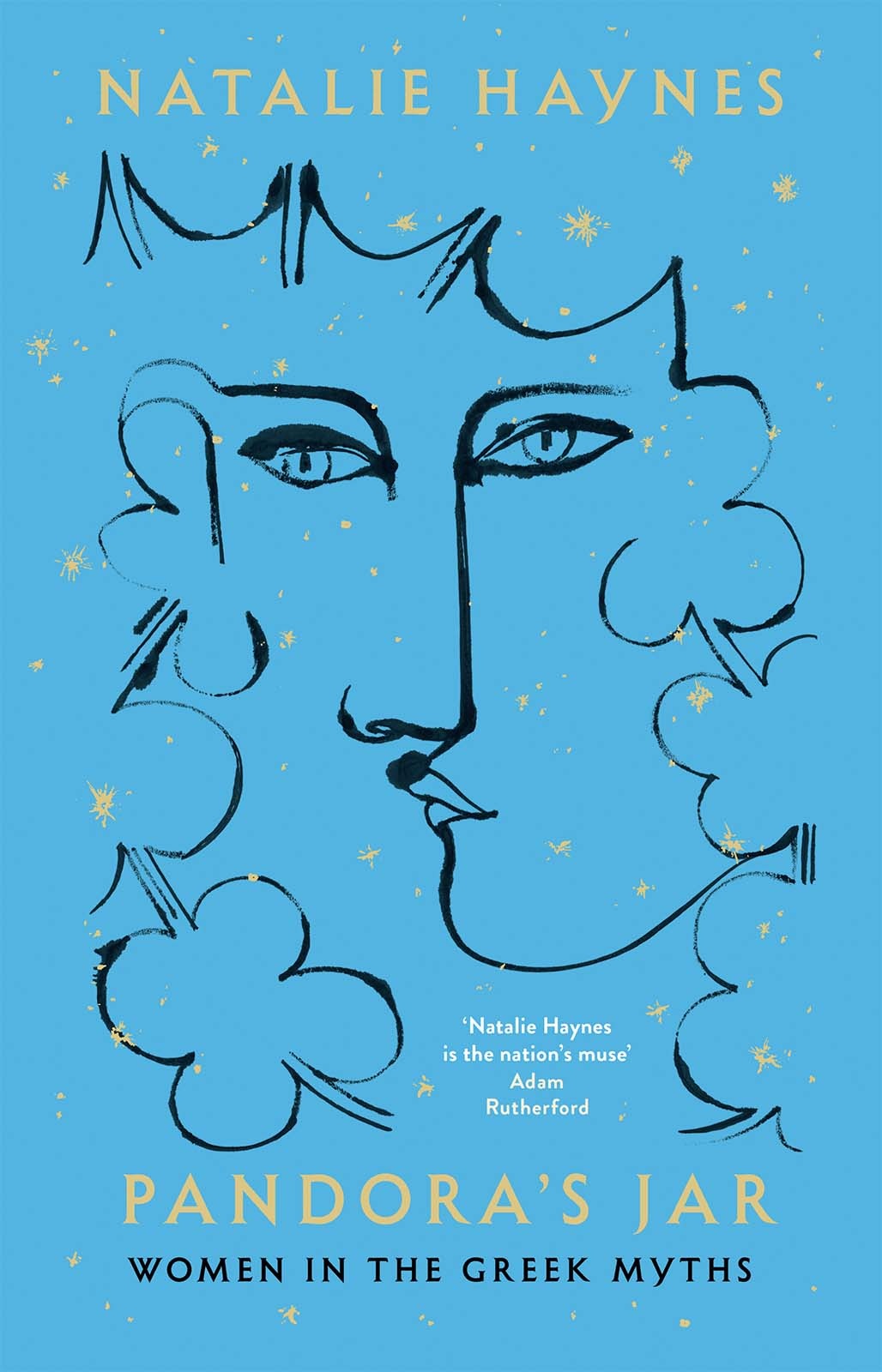
Pandora’s Jar: Women in the Greek Myths
by Natalie Haynes
Not a novel but a witty tour of Greek myth’s female figures, from Pandora and Helen to Medea and Jocasta. Haynes examines how ancient poets and later retellers shaped these women, and restores their complexity.
Goodreads: 4.21
Rated 4.21 out of 5
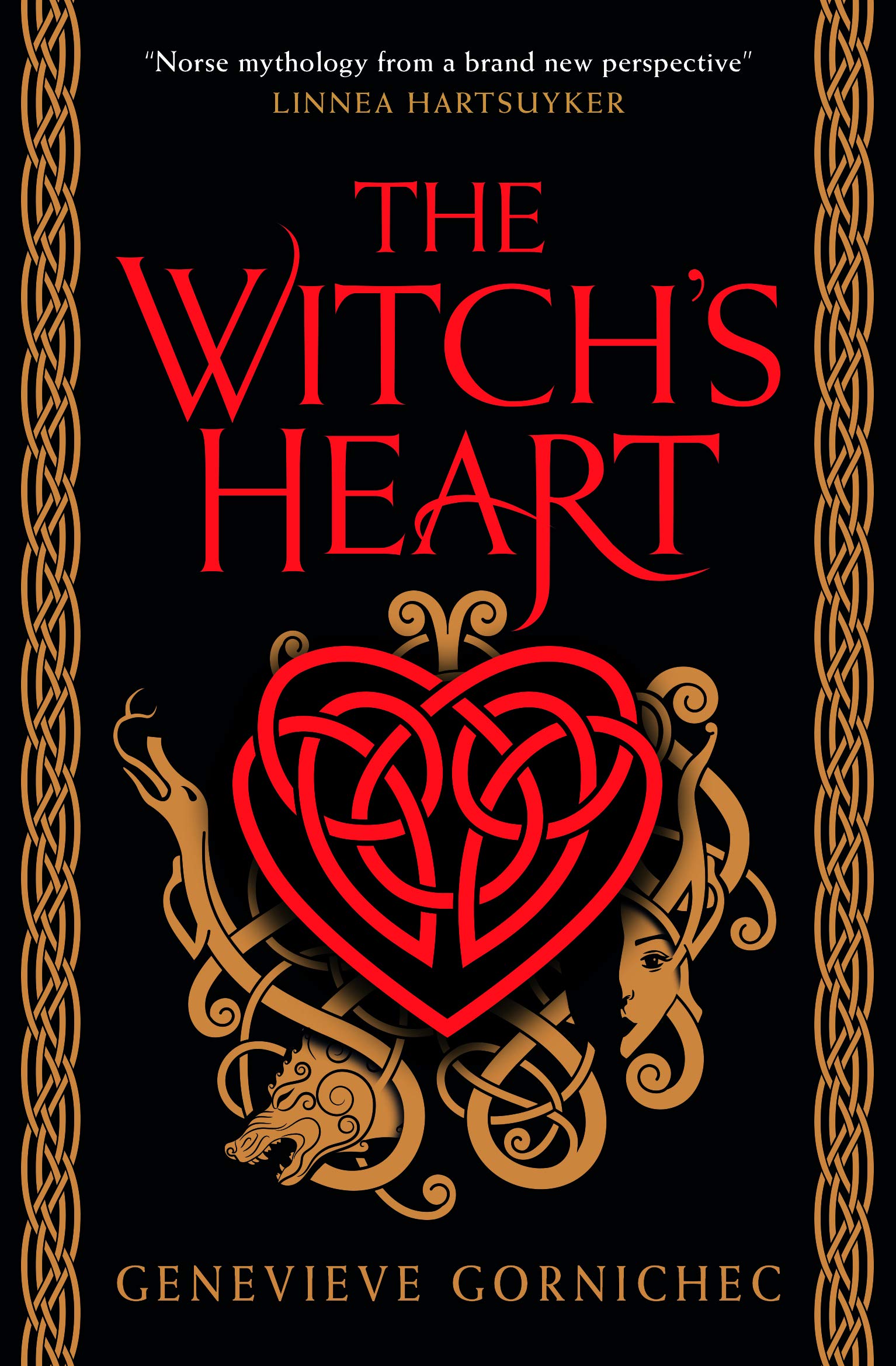
The Witch’s Heart
by Genevieve Gornichec
Angrboda, a witch and giantess, is burned by Odin for her gift of foresight and then falls in love with the trickster Loki. As she raises their unusual children in the Ironwood, she realises that Ragnarök is coming, and her family is at the heart of it. A warm, sharp retelling of Norse myth that gives voice to a woman usually left in the margins.
Goodreads: 4.03
Rated 4.03 out of 5
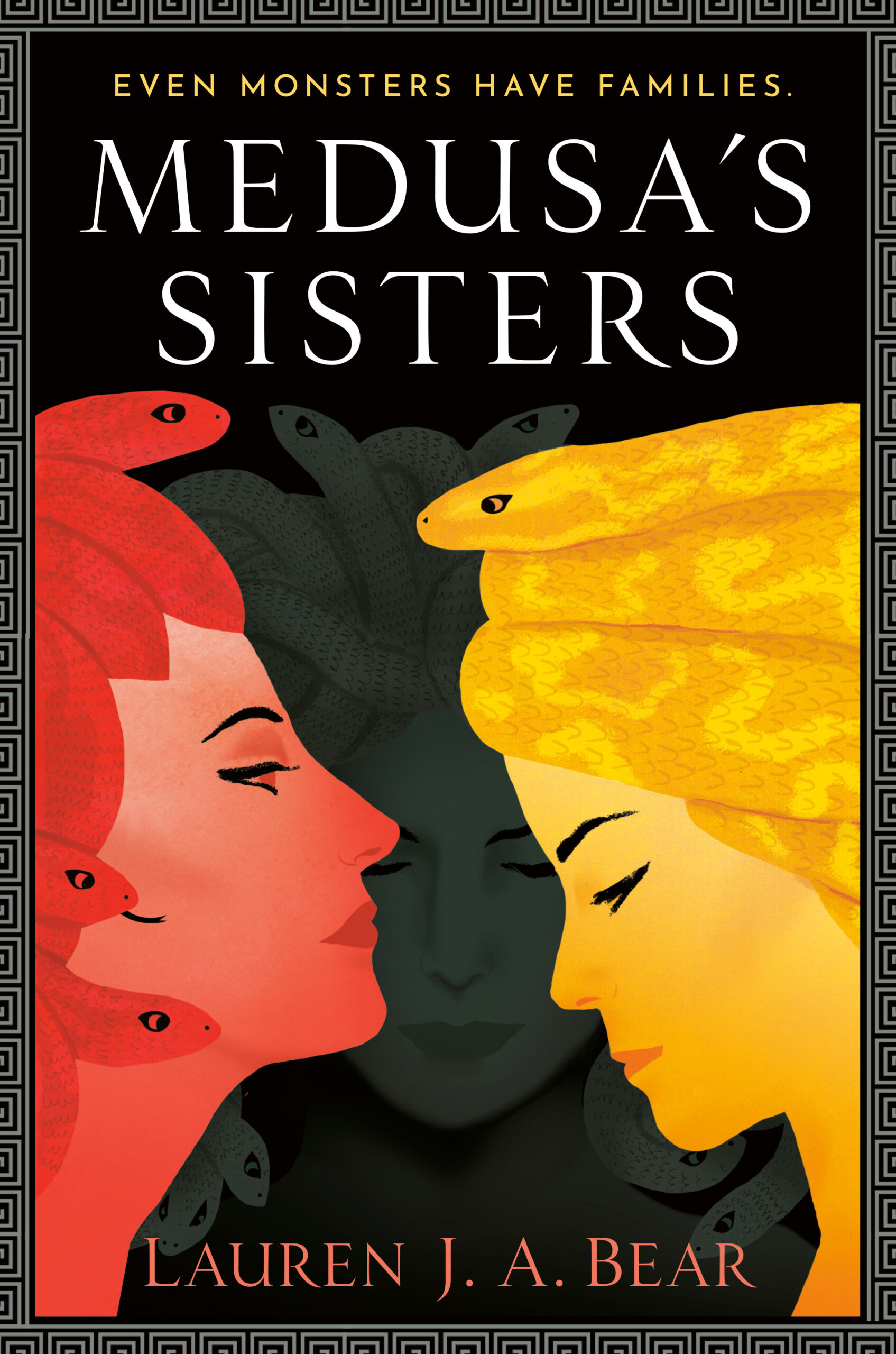
Medusa’s Sisters
by Lauren J. A. Bear
Told by Medusa’s sisters, the Gorgons Stheno and Euryale, this novel turns the familiar monster story on its head. It follows three siblings bound by love and tragedy, and shows how divine cruelty and mortal fear reshape a family forever. A lyrical, sorrowful take on a myth usually told from the hero’s side.