Second Person, Singular Magic: 8 Fantasy Novels with Unusual Narrative Voices
Some fantasy novels speak straight to you, or tell their story through a voice you would never expect. These eight use bold narration to make their magic feel strange, intimate and unforgettable.
Facebook
Twitter
WhatsApp
Email
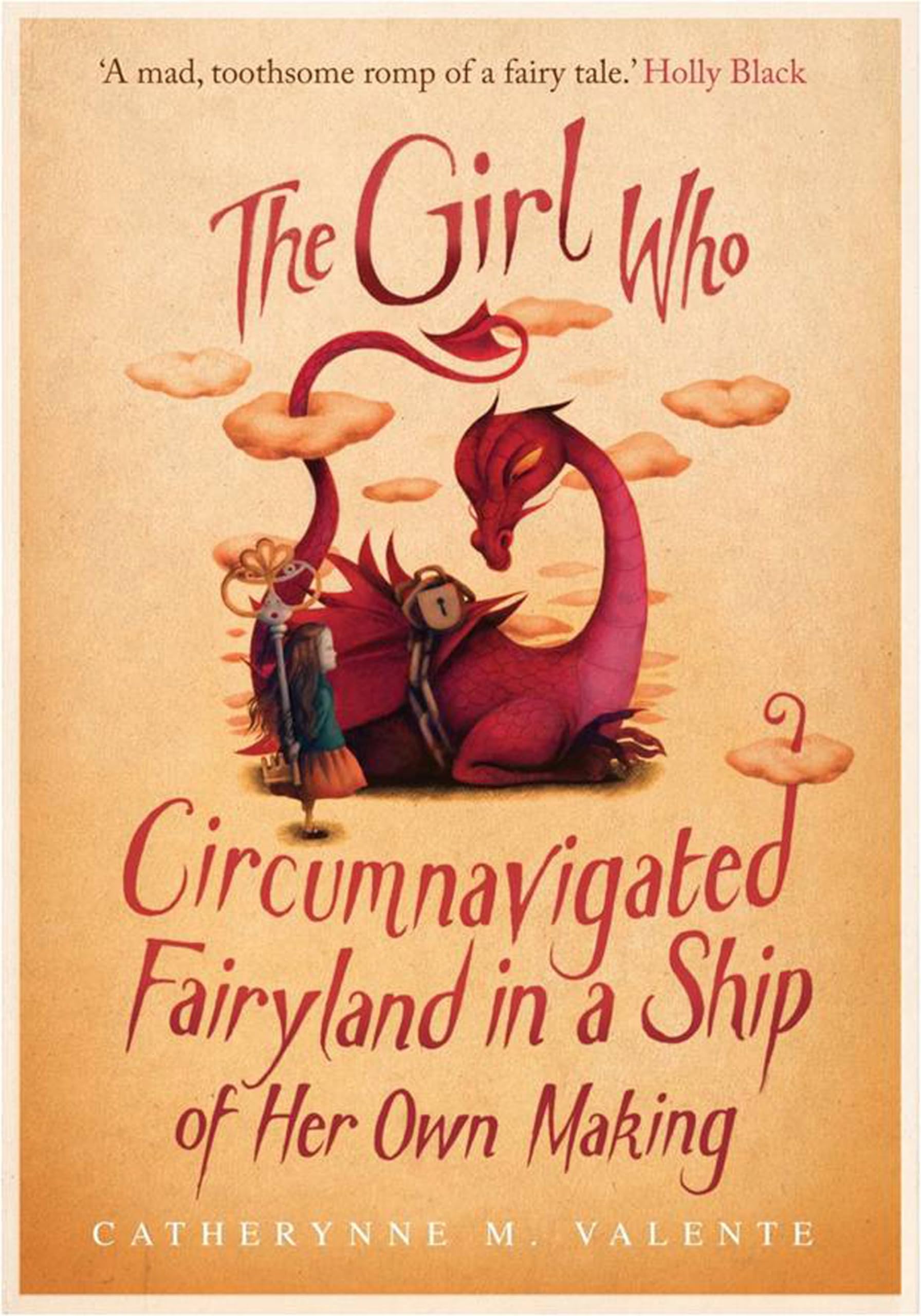
The Girl Who Circumnavigated Fairyland in a Ship of Her Own Making
by Catherynne M. Valente
Fairyland
(Book 1)
Twelve-year-old September is whisked away from her dull Omaha kitchen by the Green Wind and a flying leopard. In Fairyland she meets a Wyverary who is part wyvern, part library, and finds herself tangled in a quest involving a wicked Marquess and a magical spoon. Told with a witty, old-fashioned narrator, it’s a playful and bittersweet children’s fantasy with real emotional bite.
Goodreads: 3.95
Rated 3.95 out of 5
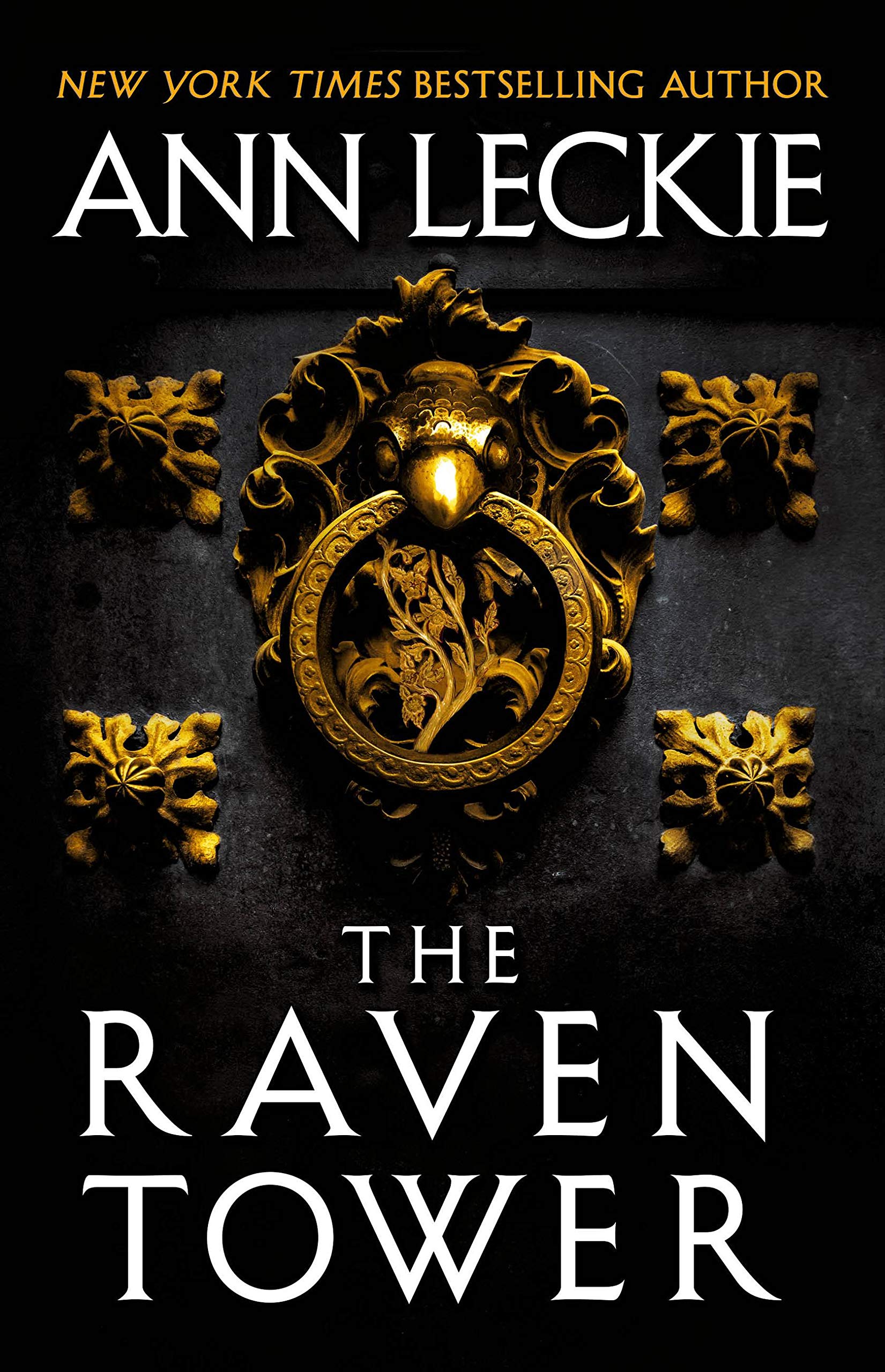
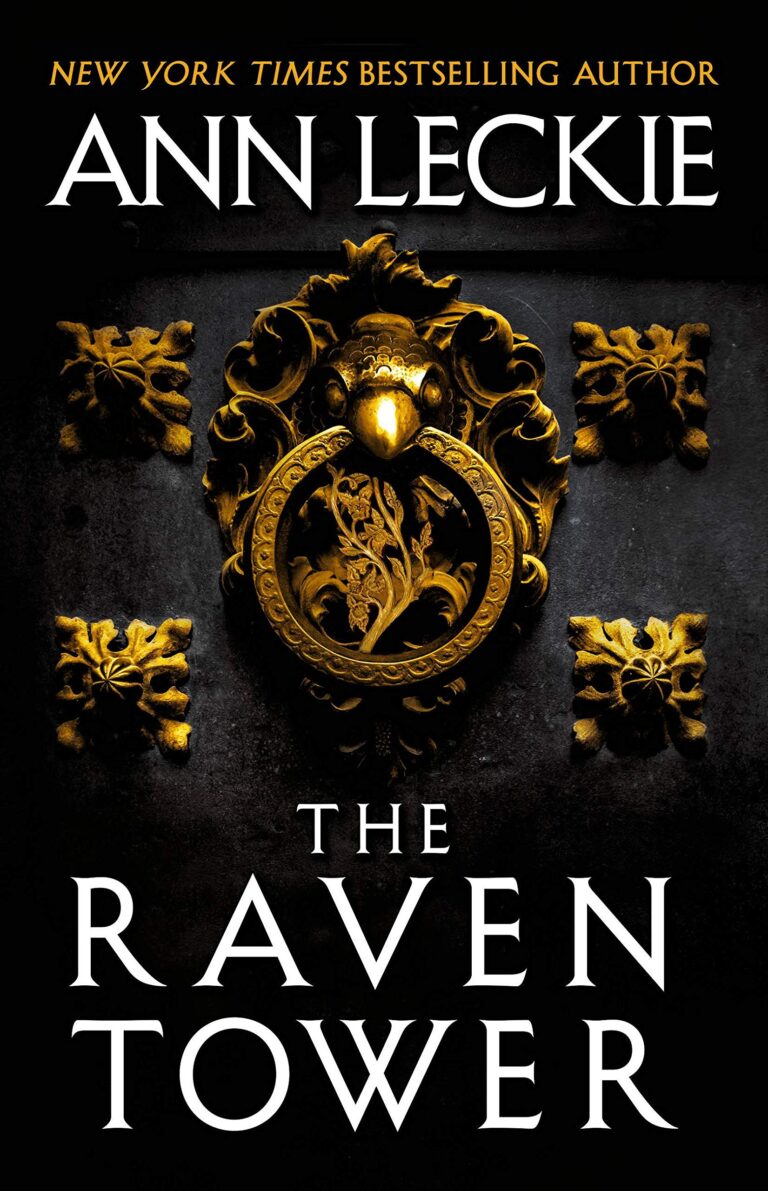
The Raven Tower
by Ann Leckie
In a land where gods are bound to stone and sustained by the offerings and attention of their followers, a soldier returns to the city of Vastai and finds his lord’s rule under threat. The story is narrated by an ancient god, who speaks in an unusually direct voice and reveals how a deity’s words can reshape reality. It is a clever, slow-burning mystery about power, truth and worship.
Goodreads: 3.91
Rated 3.91 out of 5
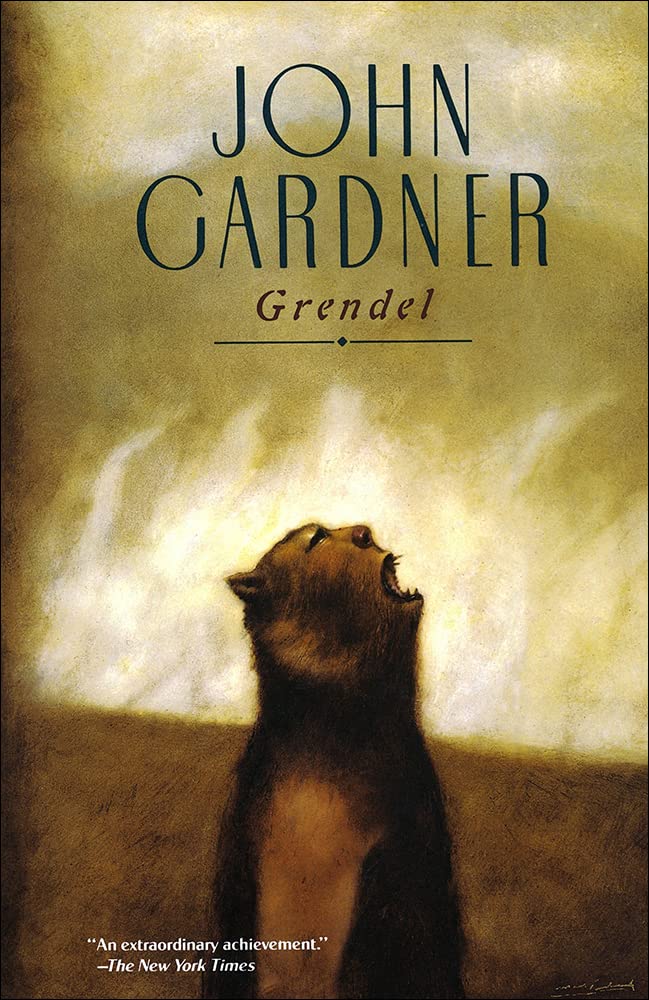
Grendel
by John Gardner
The monster from Beowulf narrates his own life in this short, philosophical novel. Grendel lurks in his mere, watching human kings, poets and warriors build their myths, and he mocks and envies them in equal measure. Moving between dark humour and real despair, the book questions the stories that make heroes and monsters, long before the hero arrives.
Goodreads: 3.69
Rated 3.69 out of 5
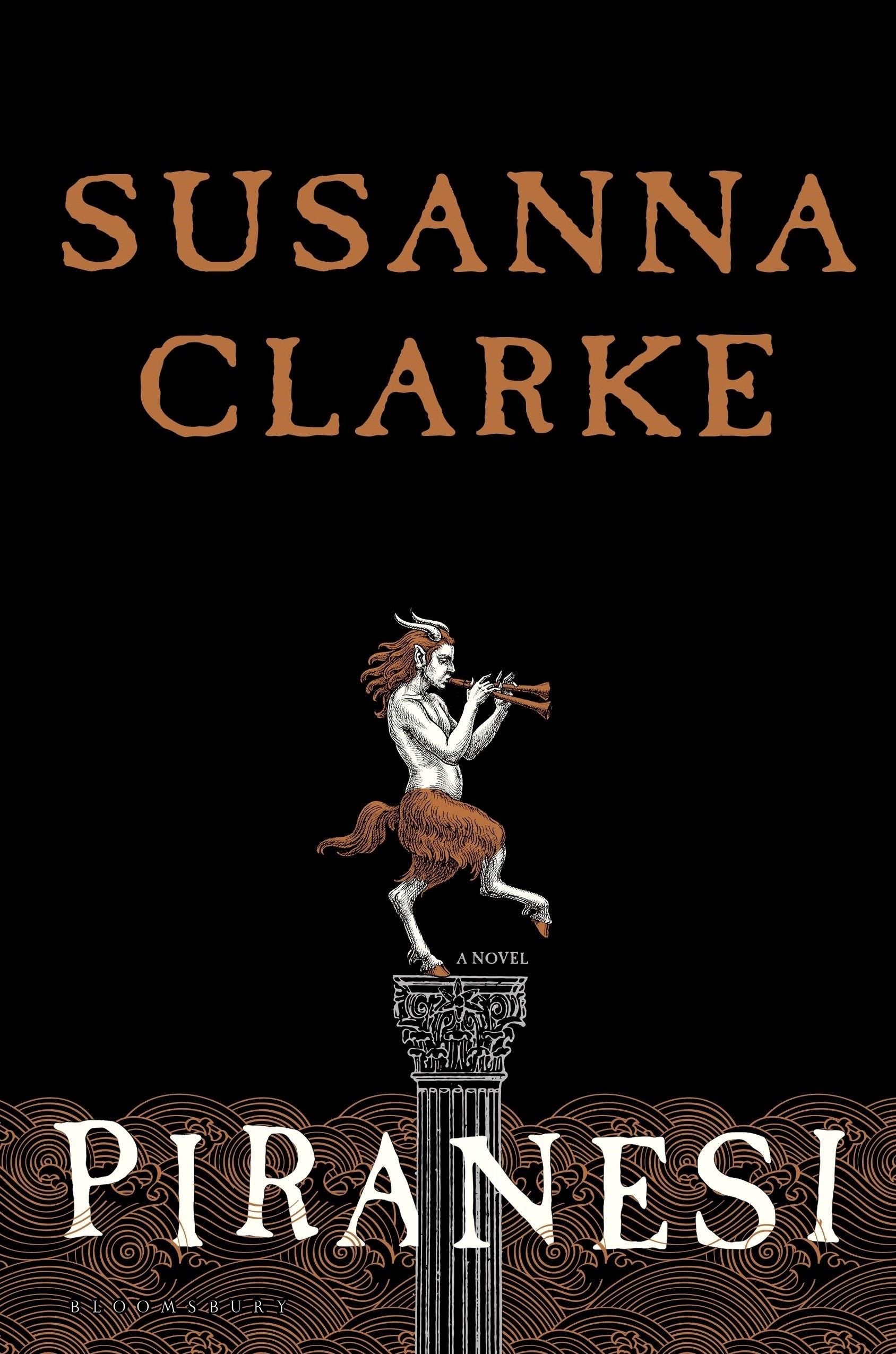
Piranesi
by Susanna Clarke
Piranesi’s house is no ordinary building: its rooms are infinite, its corridors endless, its walls are lined with thousands upon thousands of statues, each one different from all the others. Within the labyrinth of halls an ocean is imprisoned; waves thunder up staircases, rooms are flooded in an instant. But Piranesi is not afraid; he understands the tides as he understands the pattern of the labyrinth itself. He lives to explore the house.
There is one other person in the house—a man called The Other, who visits Piranesi twice a week and asks for help with research into A Great and Secret Knowledge. But as Piranesi explores, evidence emerges of another person, and a terrible truth begins to unravel, revealing a world beyond the one Piranesi has always known.
Goodreads: 4.19
Rated 4.19 out of 5
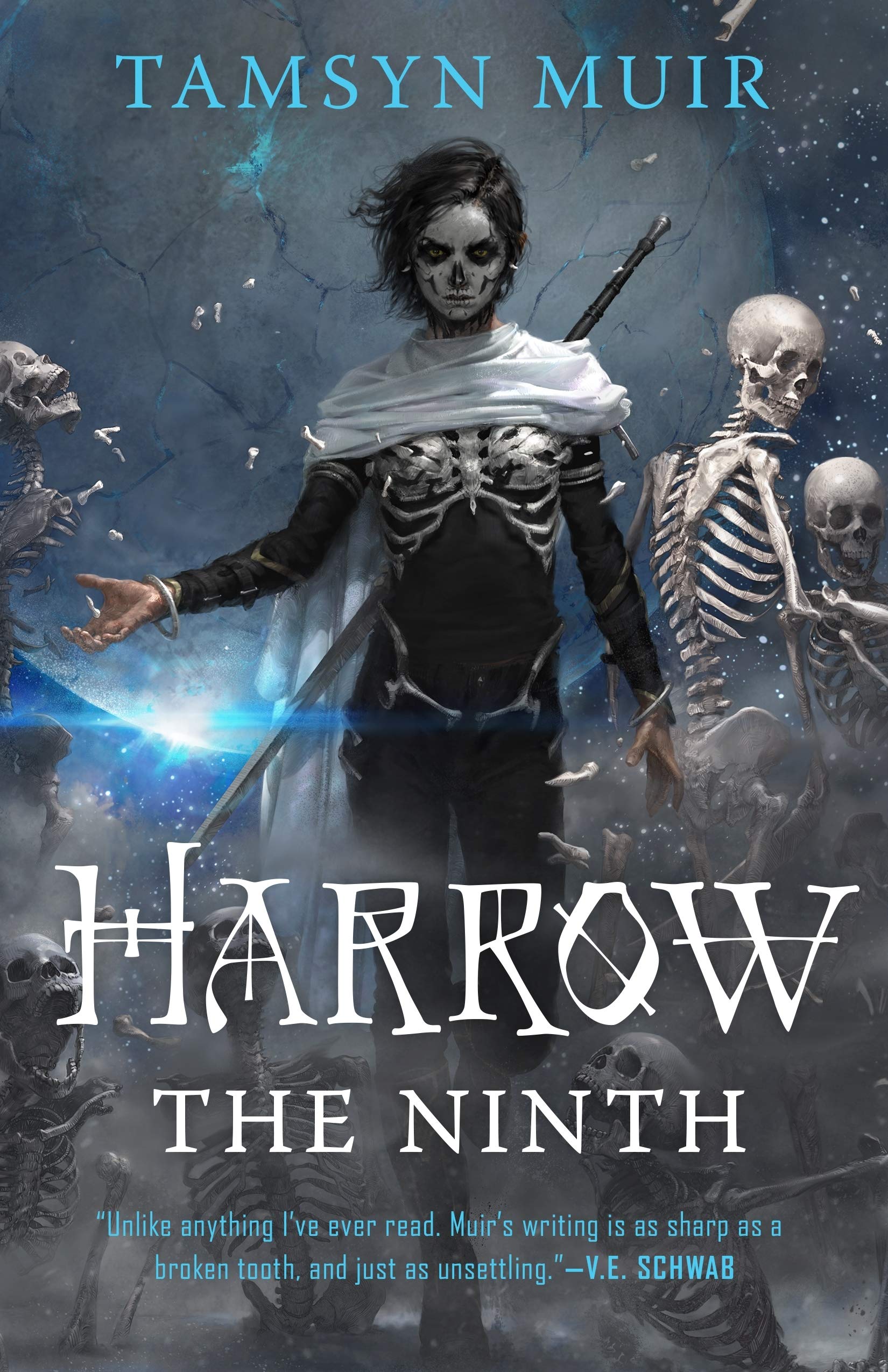
Harrow the Ninth
by Tamsyn Muir
The Locked Tomb
(Book 2)
Gideon’s necromantic partner Harrowhark now serves the Emperor as a Lyctor, yet she is haunted, unreliable and falling apart inside a rotting citadel of bones and secrets. Past and present blur as she tries to survive lessons she cannot remember. It is fiercely strange, darkly funny and full of grand, crumbling architecture, ghostly dread and macabre invention. Best read straight after Gideon the Ninth, because the puzzle only pays off if you know the first book.
Goodreads: 4.29
Rated 4.29 out of 5
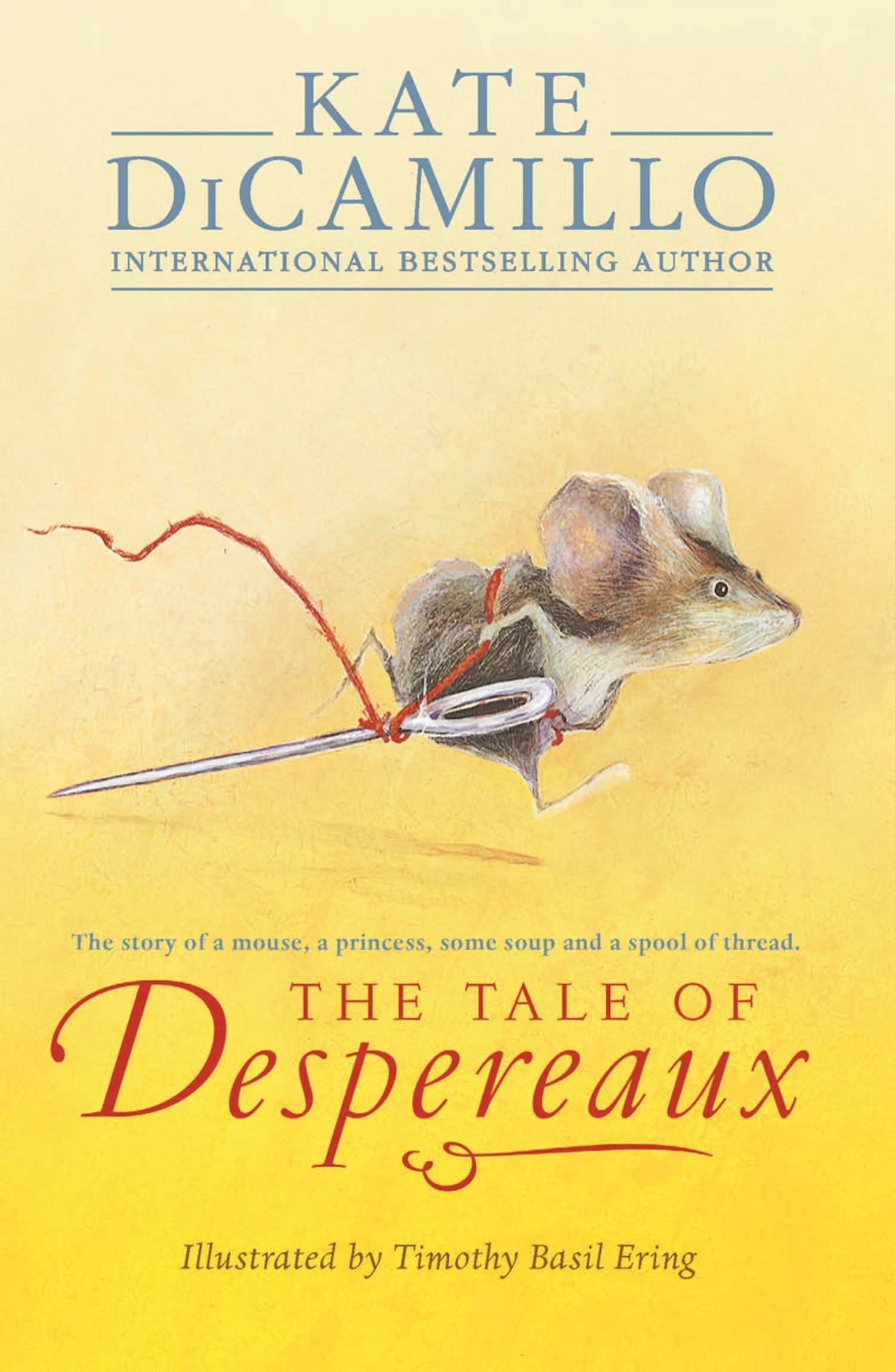
The Tale of Despereaux
by Kate DiCamillo
A tiny mouse with oversized ears falls in love with stories, and with a human princess, and is banished to the dungeon for daring to speak with her. Meanwhile a rat and a lonely servant girl have their own grievances. The storyteller keeps turning to speak to ‘Reader’ directly, pausing to explain, warn and console, which gives this gentle fable a warm and quietly daring voice.
Goodreads: 4.02
Rated 4.02 out of 5
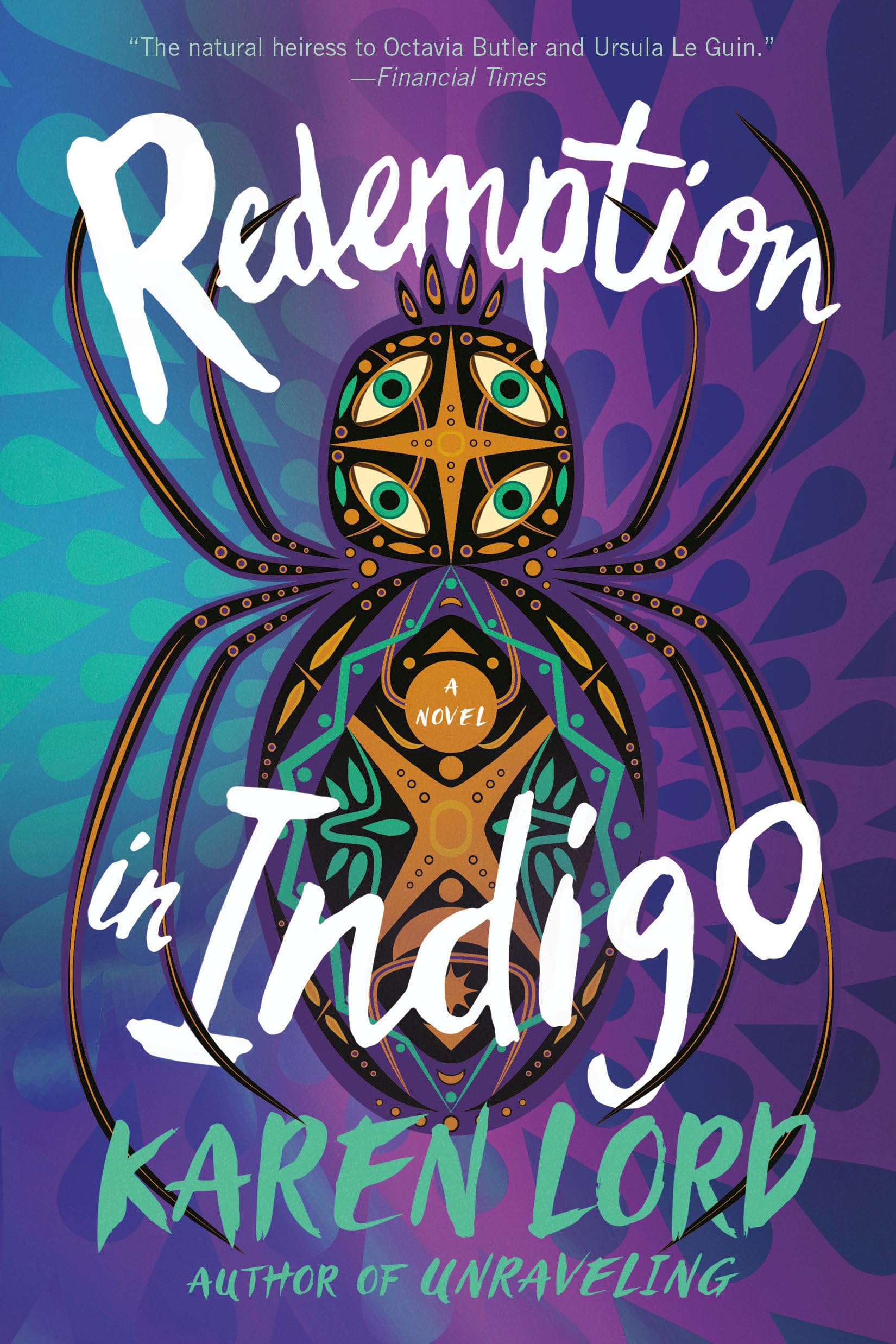
Redemption in Indigo
by Karen Lord
Paama leaves her gluttonous husband and heads home, only to be drawn into the affairs of the Djombi, immortal beings who hold powers of chaos. Told in the warm voice of a storyteller and rooted in Senegalese folktale, the novel follows how patience, humour and shrewdness let one woman outmanoeuvre forces far greater than herself, in a tale full of moral sleight of hand.