Before the Golden Age: 11 Sci-Fi Pioneers from the Scientific Romance Era
Long before pulp magazines and space operas, a handful of visionaries invented the future on the page. These eleven early classics, from Frankenstein to Barsoom, show where science fiction began and why they still thrill.
Facebook
Twitter
WhatsApp
Email
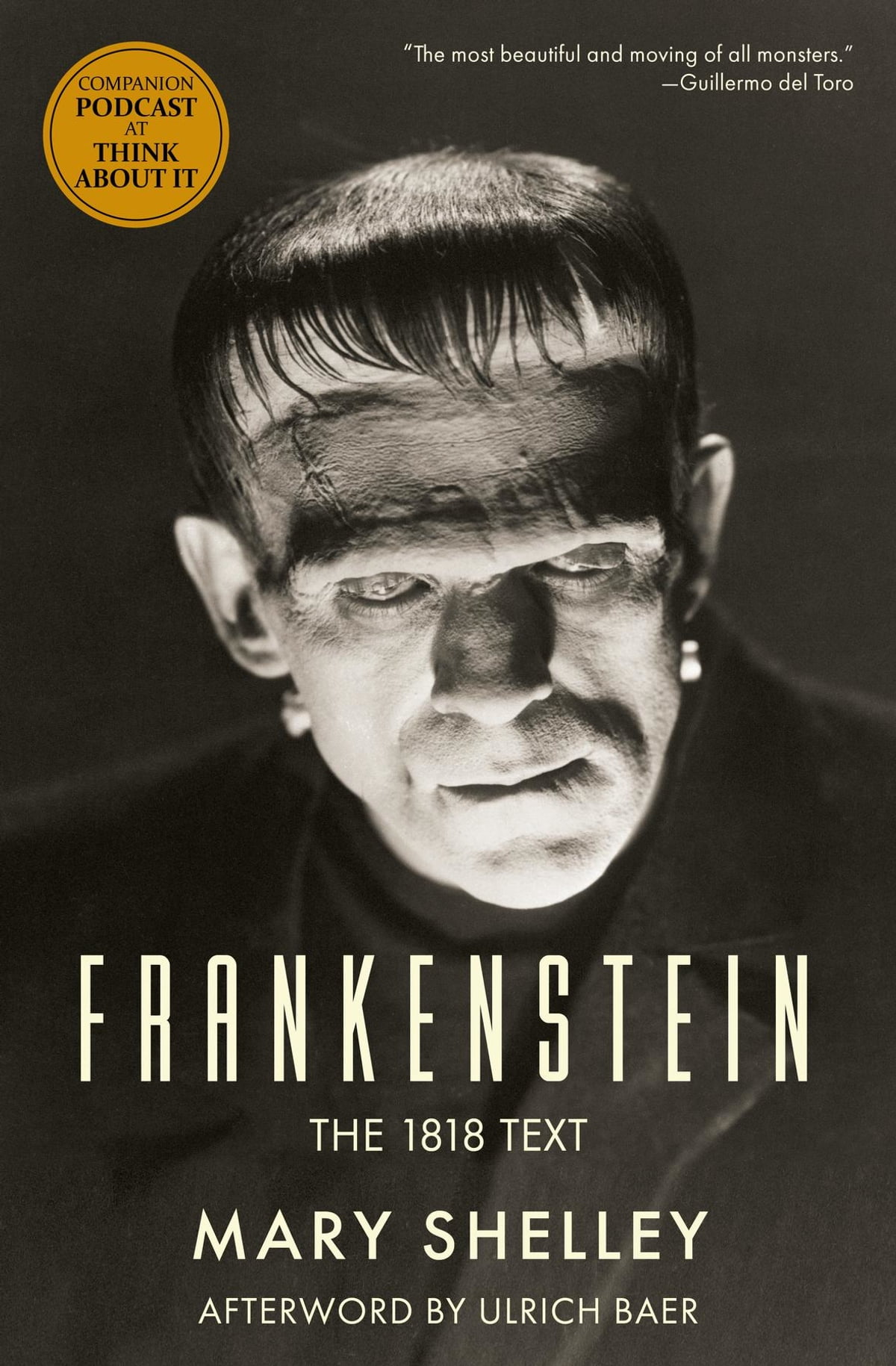
Frankenstein
by Mary Wollstonecraft Shelley
Frankenstein is the most celebrated horror story ever written and one of the best-selling books of all time. It is the tale of Victor Frankenstein, a scientist whose unbridled quest for the secret of life unleashes a creature that embodies our deepest fears about the moral bounds of human progress. Ever since its publication in 1818, readers have been fascinated with the iconic image of Frankenstein’s monster and the unresolved ethical questions his creation challenges us to answer.
At once a cautionary tale and a gripping novel about the destructive potential in human ingenuity and the desperate search for love and attachment, Frankenstein lives on in countless re-imaginings in literature and film.
Goodreads: 3.93
Rated 3.93 out of 5
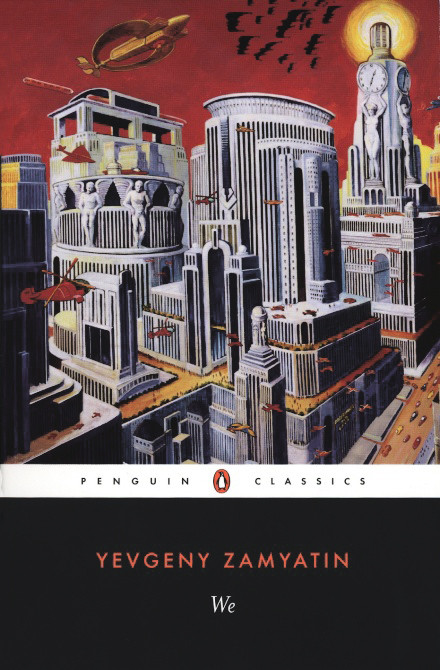
We
by Yevgeny Zamyatin
In the glass-walled One State, every hour of life is scheduled and individuality is treated as a disease. D-503, a loyal mathematician building the spaceship Integral, begins a diary for the glory of the regime, but an unexpected encounter awakens feelings and doubts he cannot suppress. Written in Russian in the early 1920s, this pioneering dystopia influenced Orwell and Huxley and still feels startlingly sharp.
Goodreads: 3.91
Rated 3.91 out of 5
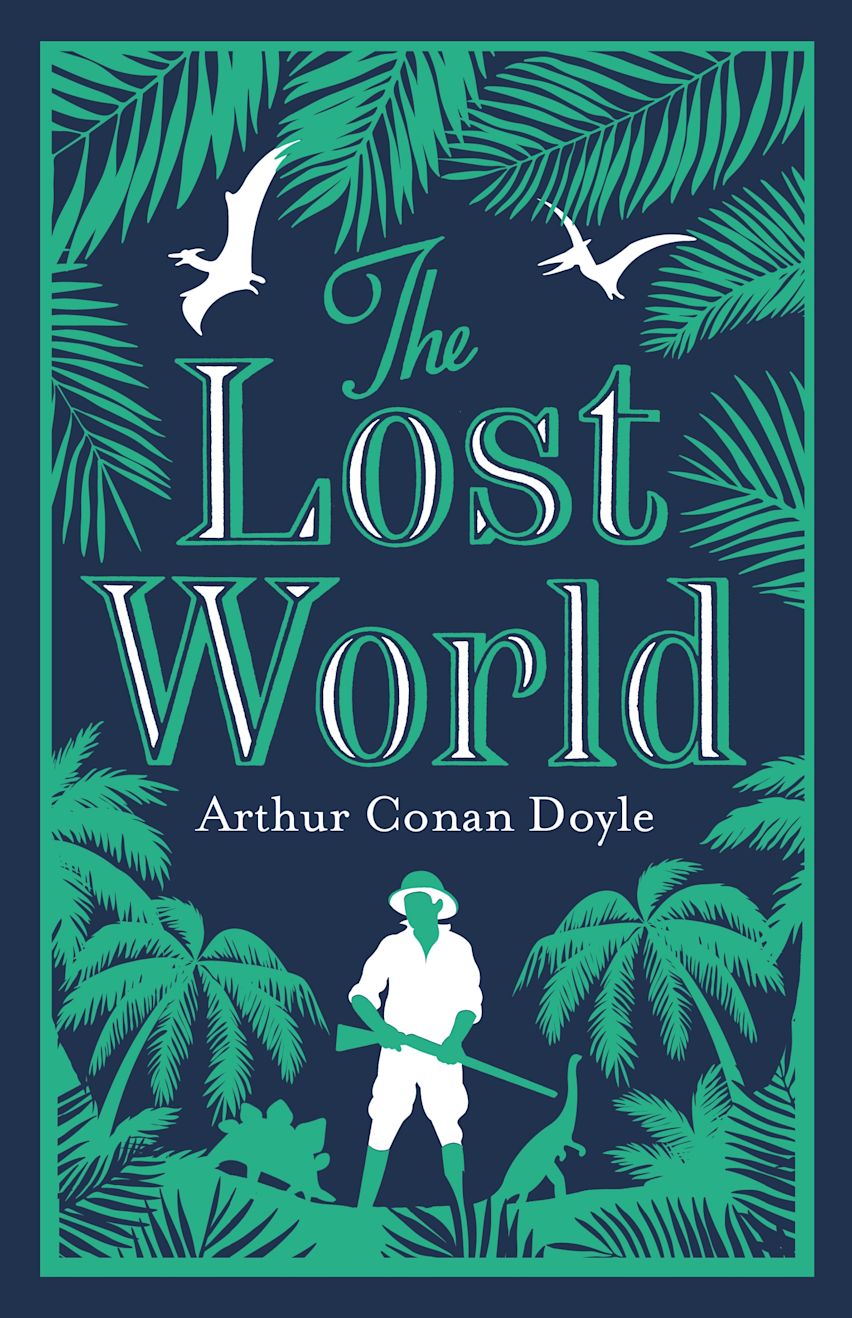
The Lost World
by Arthur Conan Doyle
Professor Challenger
(Book 1)
When the bombastic Professor Challenger claims that living dinosaurs survive on a remote South American plateau, a sceptical band of explorers sets out to prove him wrong or right. A journalist narrates the perilous trek into a hidden land of prehistoric beasts and hostile ape-men. Doyle’s lively adventure helped establish the lost-world tradition and remains a brisk, entertaining read.
Goodreads: 3.93
Rated 3.93 out of 5
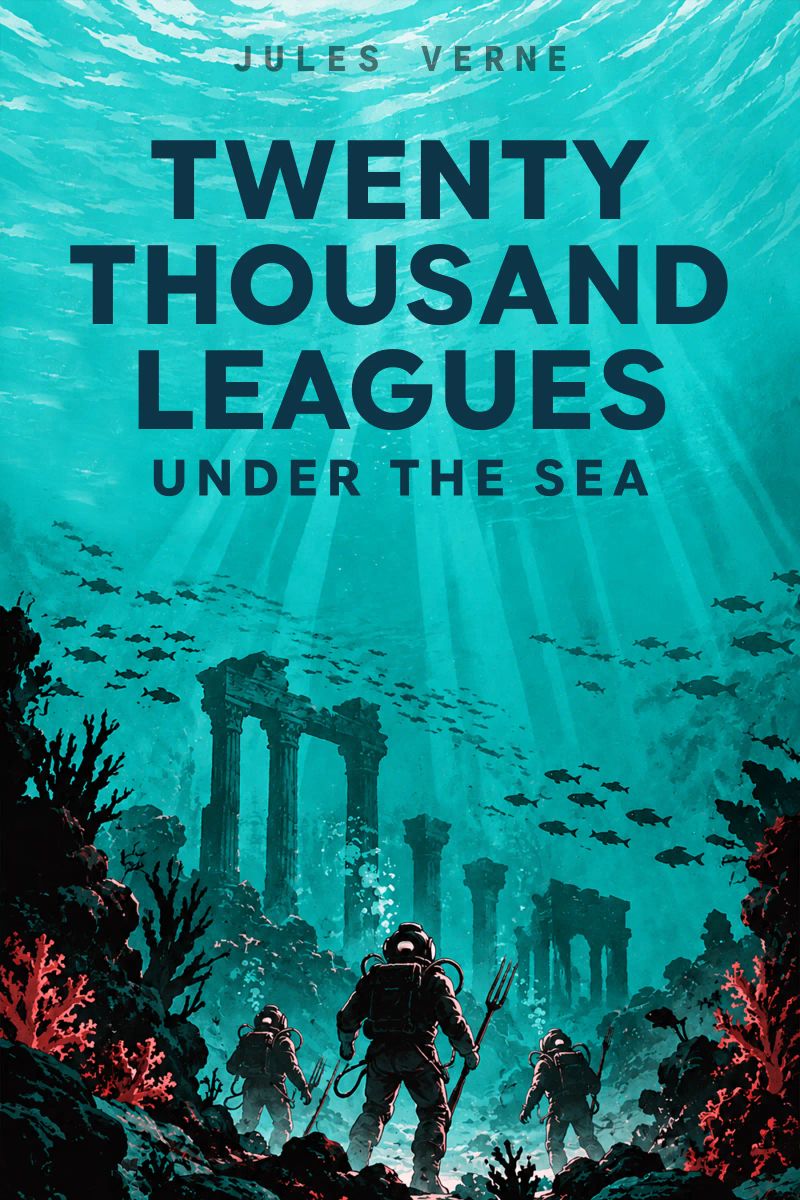
Twenty Thousand Leagues Under the Seas
by Jules Verne
The Extraordinary Voyages
(Book 6)
A French professor joins a hunt for a supposed sea monster, only to be taken captive aboard the Nautilus, an astonishing submarine commanded by the enigmatic Captain Nemo. What follows is a tour of the ocean’s wonders and dangers, from sunken cities to giant squid. Verne blends scientific enthusiasm with high adventure, and the result remains one of the great founding voyages of imaginative fiction.
Goodreads: 3.88
Rated 3.88 out of 5
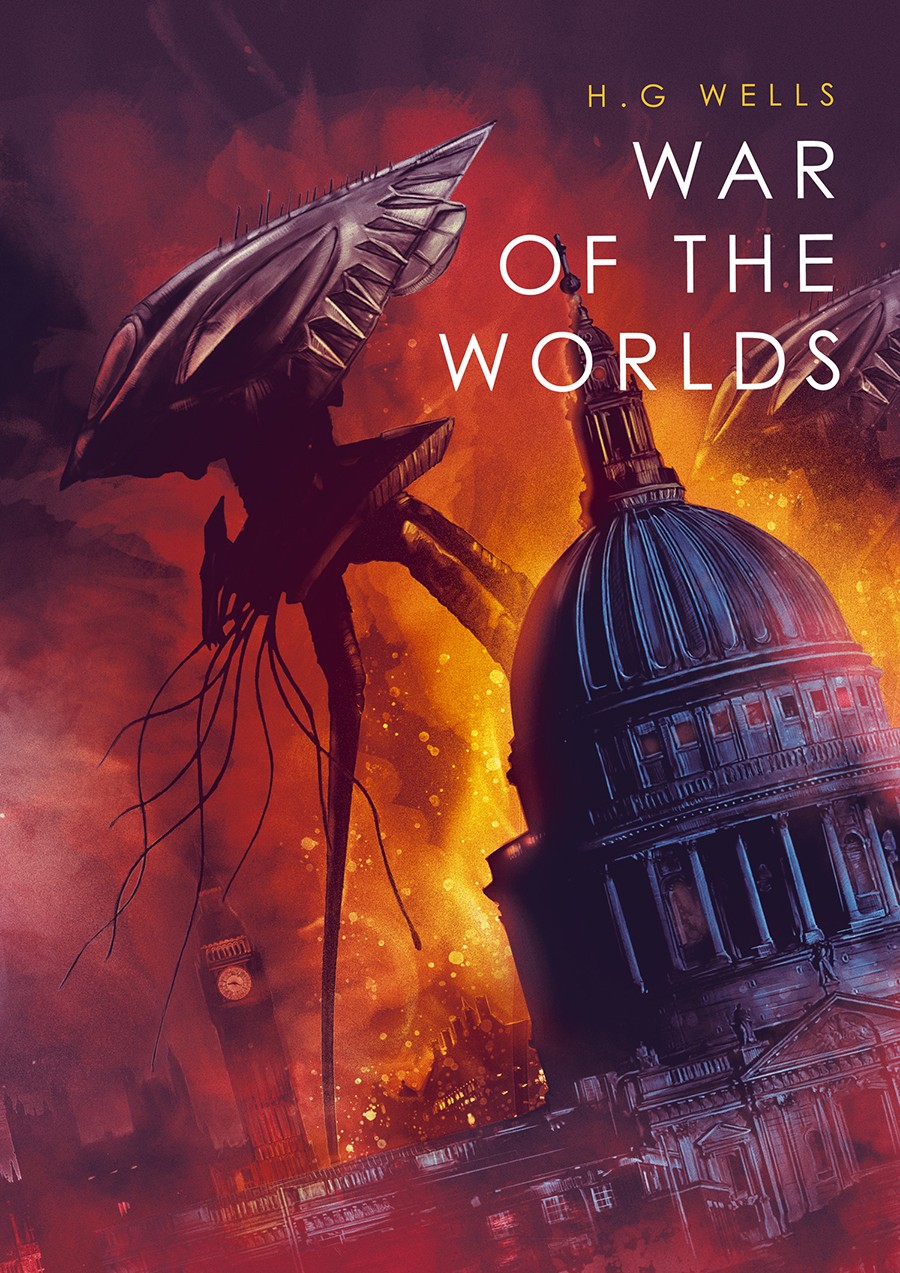
The War of the Worlds
by H.G. Wells
When an army of invading Martians lands in England, panic and terror seize the population. As the aliens traverse the country in huge three-legged machines, incinerating all in their path with a heat ray and spreading noxious toxic gases, the people of the Earth must come to terms with the prospect of the end of human civilization and the beginning of Martian rule.
Goodreads: 3.83
Rated 3.83 out of 5
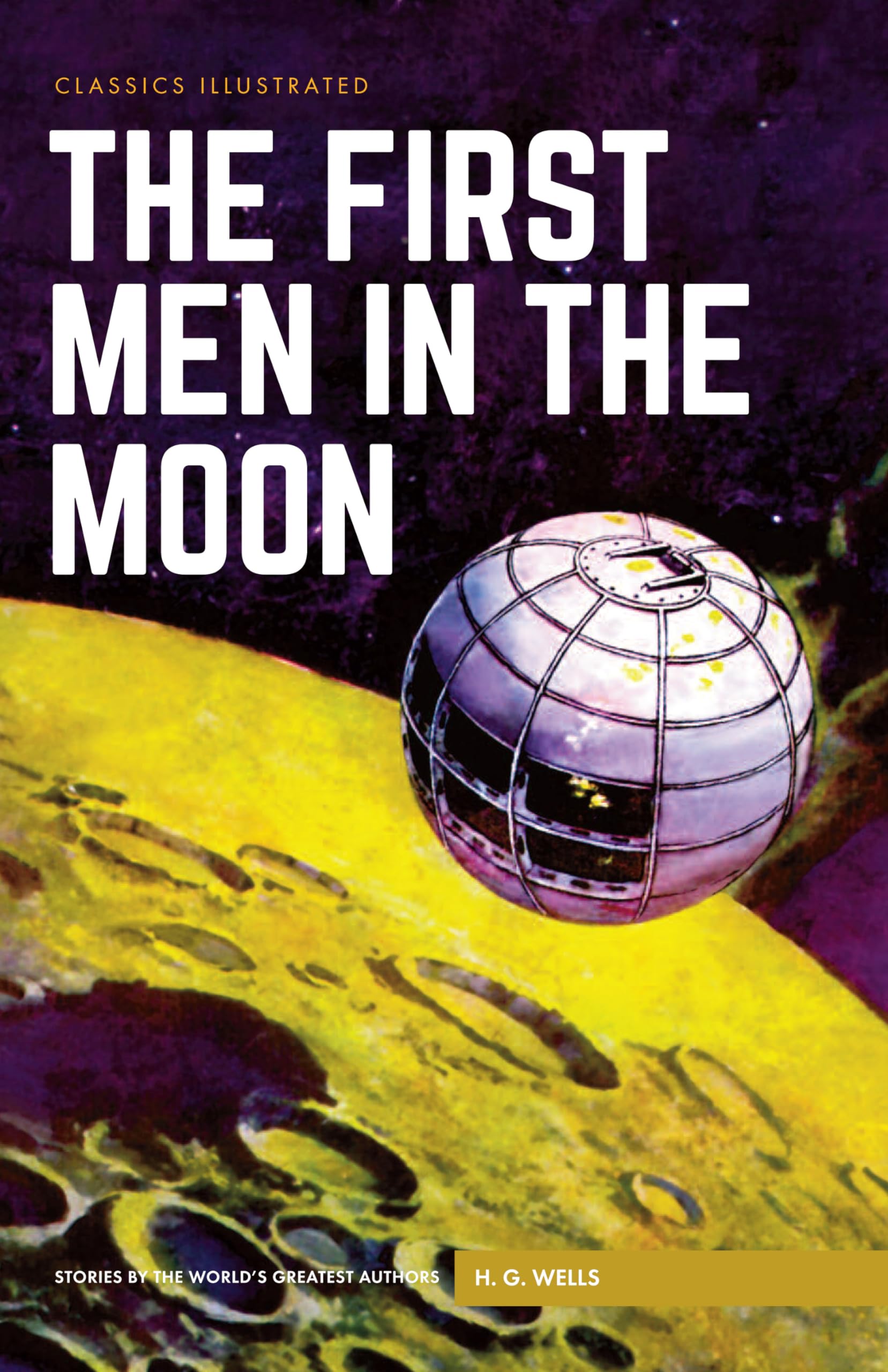
The First Men in the Moon
by H.G. Wells
An eccentric scientist invents a substance that defies gravity, and he and a debt-ridden businessman use it to journey to the Moon. There they discover caverns, strange creatures and a rigidly ordered society beneath the surface. Wells blends comic adventure with sharp social satire in this Victorian classic, one of the earliest and most imaginative stories of lunar exploration and first contact.
Goodreads: 3.65
Rated 3.65 out of 5
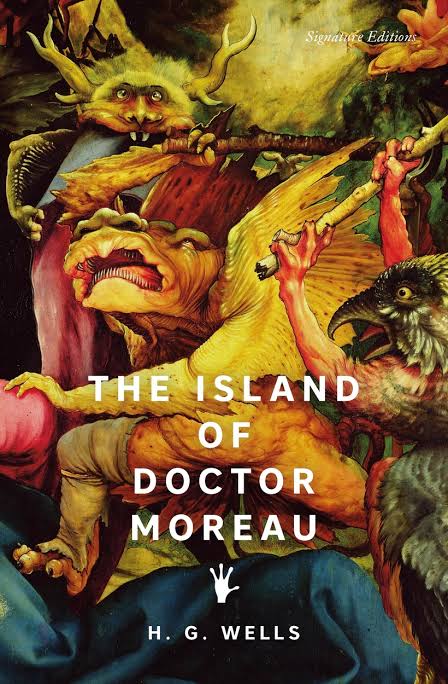
The Island of Doctor Moreau
by H.G. Wells
A shipwrecked man is rescued and washed up on a remote Pacific island, where a reclusive scientist conducts disturbing experiments. The strange, half-human creatures that roam the jungle hint at something terrible. Wells’s short, feverish novel explores vivisection, evolution and the limits of science with real menace, and its moral questions about playing God still feel uncomfortably sharp today.
Goodreads: 4.25
Rated 4.25 out of 5
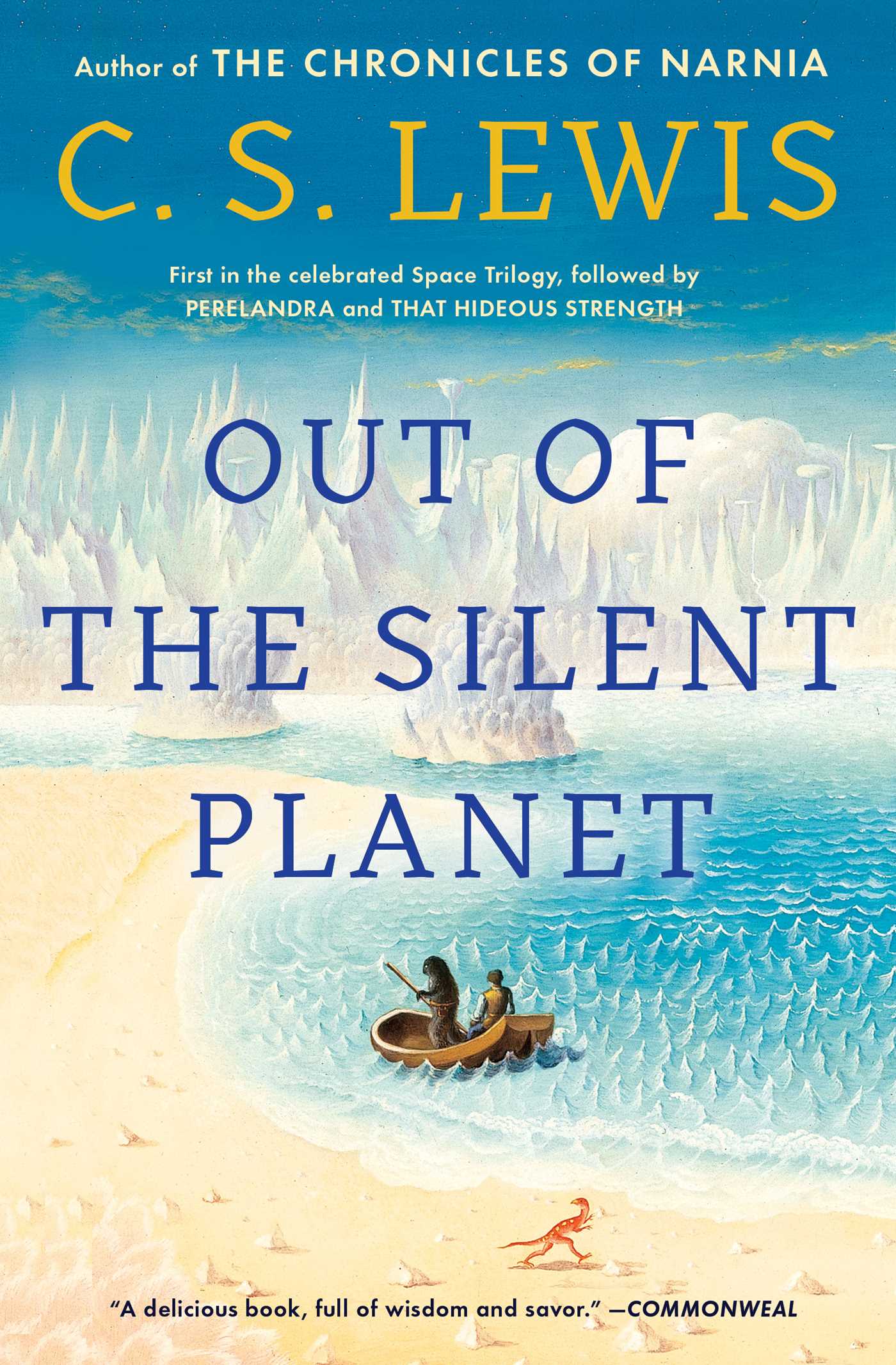
Out of the Silent Planet
by C.S. Lewis
Space Trilogy
(Book 1)
Cambridge philologist Elwin Ransom is kidnapped and flown to Mars, where he expects monsters and finds three wise, very different species living in harmony under a spiritual order. As he learns their language, he discovers that Earth, the ‘silent planet’, is cut off from the rest of creation. A short, thoughtful interplanetary romance steeped in Christian allegory.
Goodreads: 3.94
Rated 3.94 out of 5
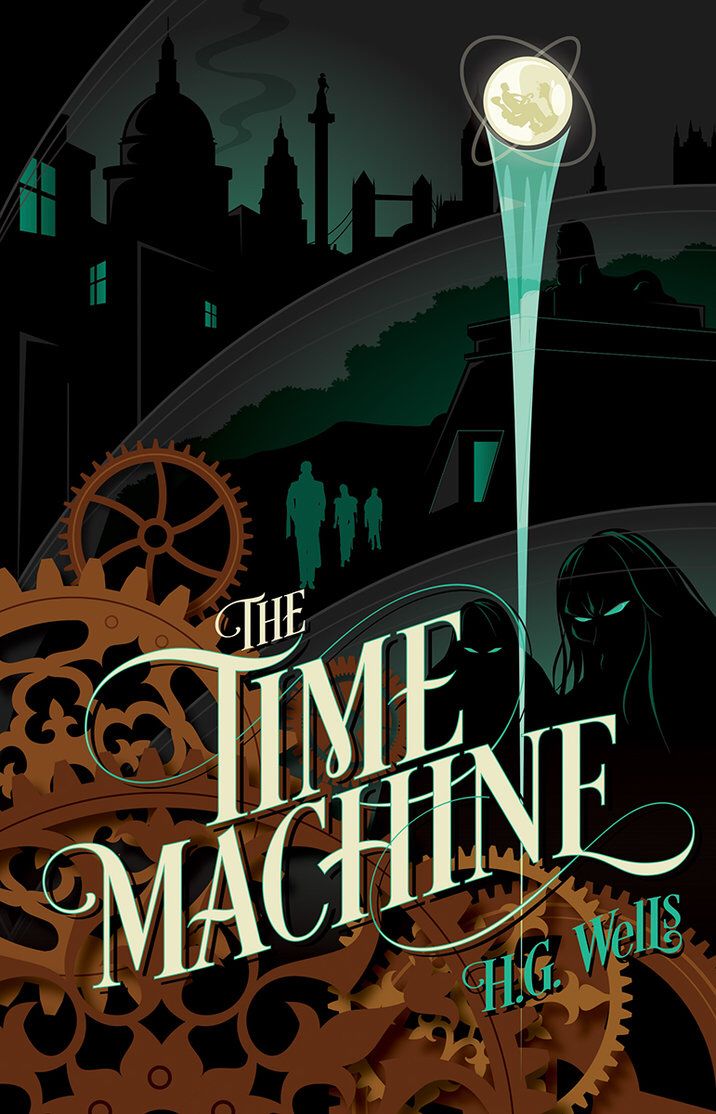
The Time Machine
by H.G. Wells
“I’ve had a most amazing time….”
So begins the Time Traveller’s astonishing firsthand account of his journey 800,000 years beyond his own era—and the story that launched H.G. Wells’s successful career and earned him his reputation as the father of science fiction.
With a speculative leap that still fires the imagination, Wells sends his brave explorer to face a future burdened with our greatest hopes…and our darkest fears. A pull of the Time Machine’s lever propels him to the age of a slowly dying Earth. There he discovers two bizarre races—the ethereal Eloi and the subterranean Morlocks—who not only symbolize the duality of human nature, but offer a terrifying portrait of the men of tomorrow as well.
Goodreads: 3.89
Rated 3.89 out of 5
A Princess of Mars
by Edgar Rice Burroughs
Barsoom
(Book 1)
A Princess of Mars is the first of eleven thrilling novels that comprise Edgar Rice Burroughs’ most exciting saga, known as The Martian Series. It’s the beginning of an incredible odyssey in which John Carter, a gentleman from Virginia and a Civil War veteran, unexpectedly finds himself on to the red planet, scene of continuing combat among rival tribes. Captured by a band of six-limbed, green-skinned savage giants called Tharks, Carter soon is accorded all the honor of a chieftain after it’s discovered that his muscles, accustomed to Earth’s greater gravity, now give him a decided advantage in strength. And when his captors take as prisoner Dejah Thoris, the lovely human-looking princess of the city of Helium, Carter must call upon every ounce of strength, courage, and ingenuity to rescue her-before Dejah becomes the slave of the depraved Thark leader, Tal Hajus!
Goodreads: 3.81
Rated 3.81 out of 5
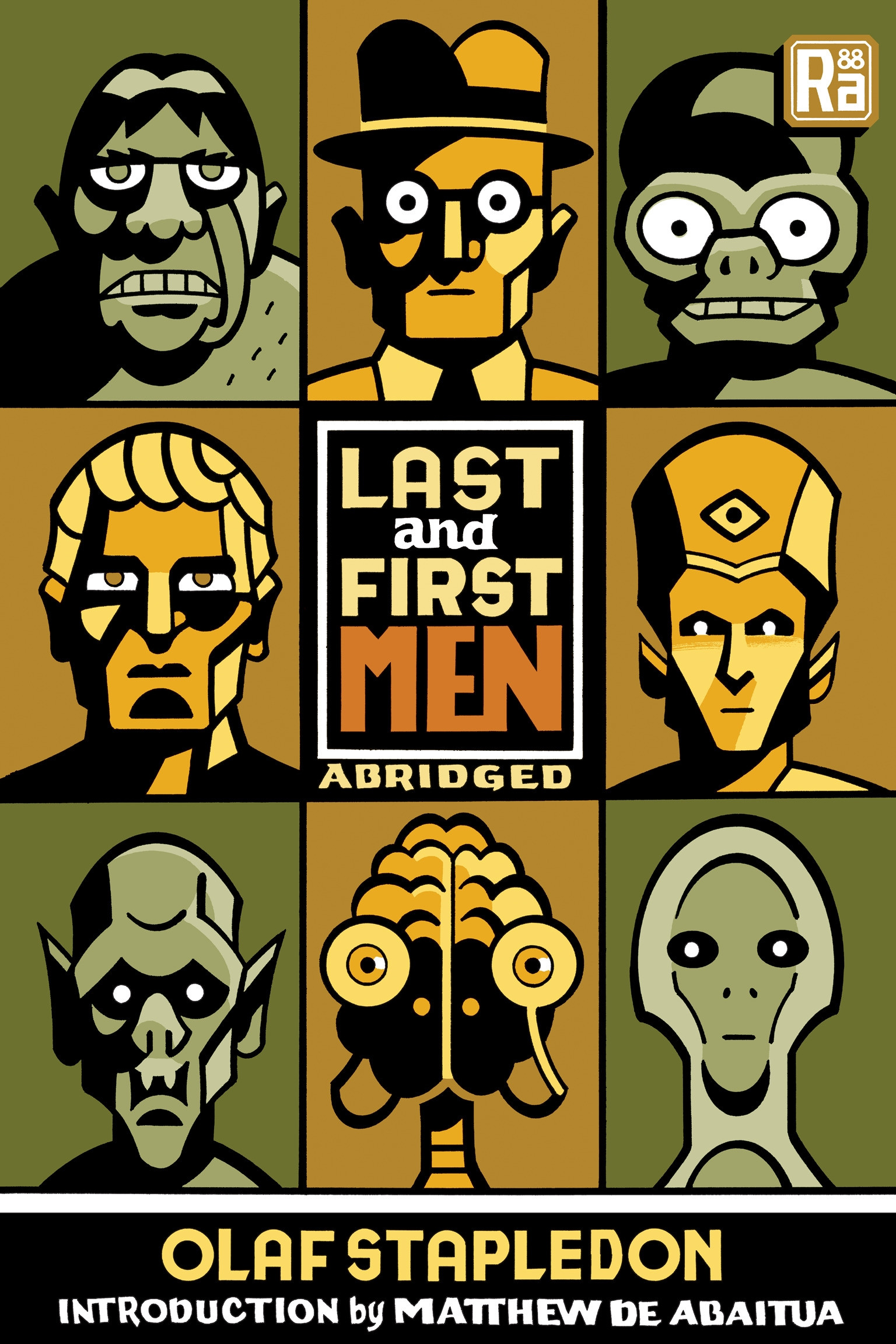
Last and First Men
by Olaf Stapledon
Stapledon’s visionary 1930 “future history” surveys two billion years of humanity, from our own era to eighteen successive human species rising and falling across Earth, Venus and Neptune. Written as a message from a far-distant descendant, it pairs cosmic scale with melancholy, treating civilisations as brief flickers against deep time. Its dry, philosophical voice can feel austere, but its sweep influenced generations of later science fiction writers.