One Story at a Time: 10 Sci-Fi Collections and Linked Tales for Short Attention Spans
Perfect for commutes, bedtime and busy weeks, these ten collections prove science fiction was born to be short. Dip in for a single story or read straight through the linked tales.
Facebook
Twitter
WhatsApp
Email
The Illustrated Man
by Ray Bradbury
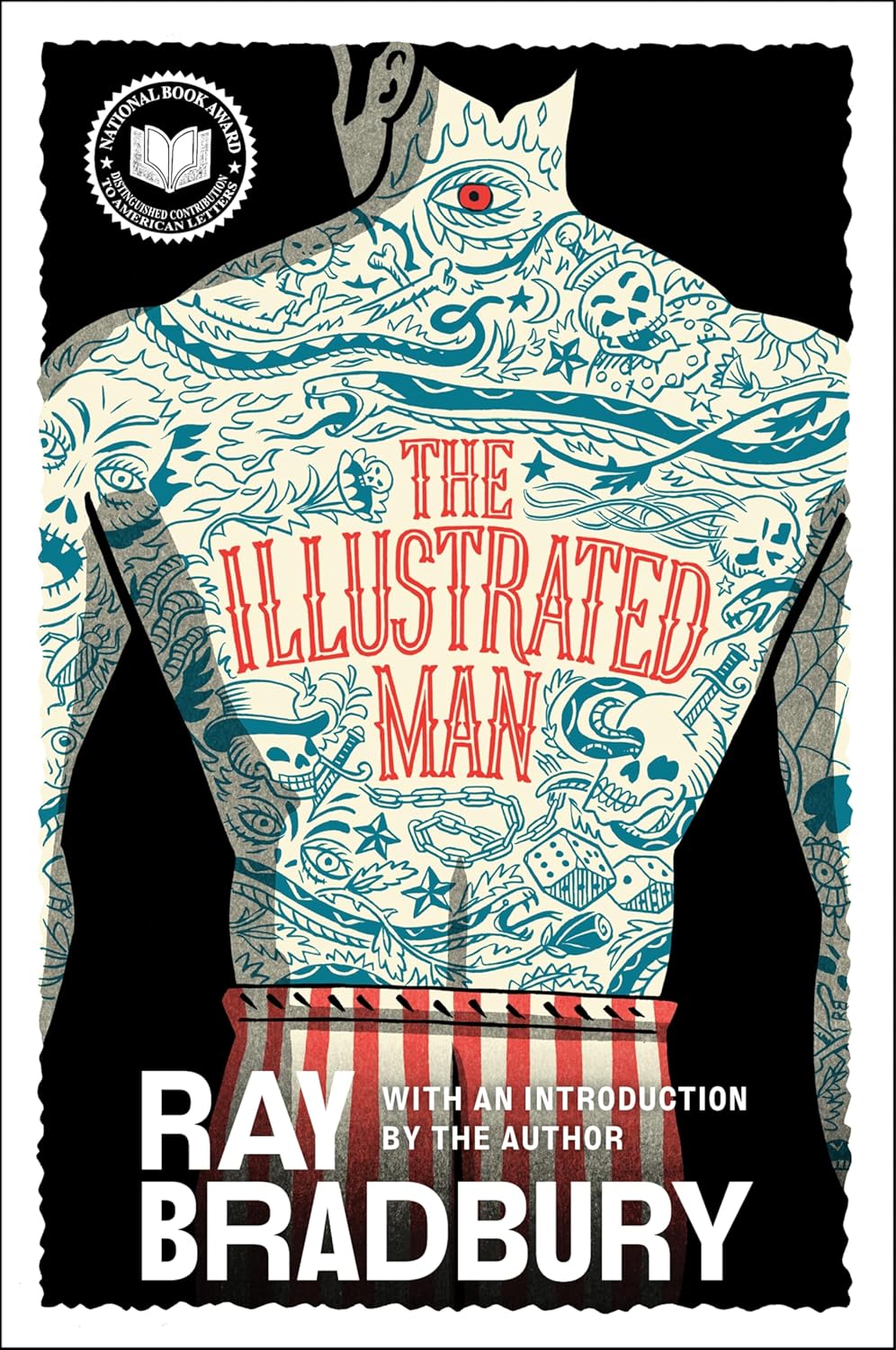
A wandering man is covered in tattoos, and each picture comes alive at night to reveal a different story. Bradbury links eighteen tales through this framing device, taking readers to rocket-scarred planets, nurseries with deadly screens and futures haunted by human folly. Lyrical, eerie and often melancholy, the stories are brief enough for a commute yet linger long afterwards, showing how well the short form suits big imagination.
Goodreads: 4.13
Rated 4.13 out of 5
The Martian Chronicles
by Ray Bradbury
The strange and wonderful tale of man’s experiences on Mars, filled with intense images and astonishing visions. Now part of the Voyager Classics collection.
The Martian Chronicles tells the story of humanity’s repeated attempts to colonize the red planet. The first men were few. Most succumbed to a disease they called the Great Loneliness when they saw their home planet dwindle to the size of a fist. They felt they had never been born. Those few that survived found no welcome on Mars. The shape-changing Martians thought they were native lunatics and duly locked them up.
But more rockets arrived from Earth, and more, piercing the hallucinations projected by the Martians. People brought their old prejudices with them – and their desires and fantasies, tainted dreams. These were soon inhabited by the strange native beings, with their caged flowers and birds of flame.
Goodreads: 0.00
Rated 0 out of 5
Tales of the Dying Earth
by Jack Vance
The Dying Earth
(Book 1)
The fourth in the Fantasy Masterworks series, the Dying Earth saga inspired writers like Michael Moorcock and Gene Wolfe, who freely acknowledges his debt to Vance in his own Book of the New Sun.
Here, in one volume, is Hugo, Nebula and World Fantasy Award-winning author Jack Vance’s classic Dying Earth saga comprising The Dying Earth, The Eyes of the Overworld, Cugel’s Saga and Rhialto the Marvellous. Travel to a far distant future, when the sun bleeds red in a dark sky, where magic and science is one, and the Earth has but a few short decades to live…
Goodreads: 4.12
Rated 4.12 out of 5
The Cyberiad
by Stanisław Lem
Trurl and Klapaucius, two rival robot ‘constructors’, roam the cosmos building impossible machines, outwitting tyrants and getting into philosophical scrapes. Lem’s linked fables, written in Polish, blend dazzling wordplay, mathematics and gentle satire into something part fairy tale, part cybernetic comedy. It is playful, inventive and surprisingly profound about intelligence, power and ambition, and it shows a very different side of the author of Solaris.
Goodreads: 4.13
Rated 4.13 out of 5
Stories of Your Life and Others
by Ted Chiang
Ted Chiang’s celebrated collection brings together intellectually daring tales, led by the title story in which a linguist is called in to decipher the language of visiting aliens. As she learns it, her perception of time and her own life begins to shift. It is a moving, elegant exploration of how language can reshape thought, and it inspired the film Arrival.
Goodreads: 4.25
Rated 4.25 out of 5
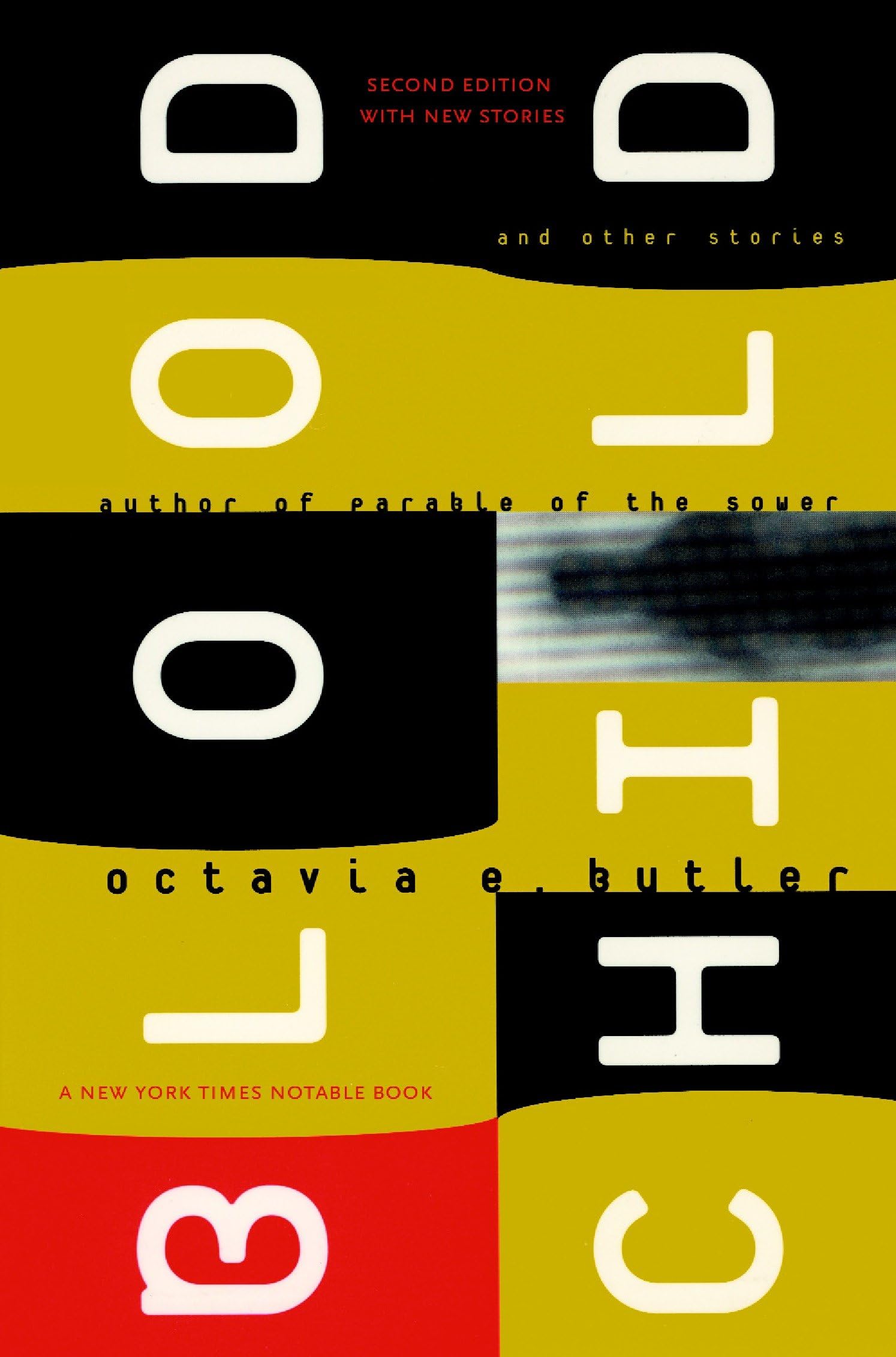
Bloodchild and Other Stories
by Octavia E. Butler
A compact collection from one of science fiction’s great voices. The title story imagines a human boy bound to an alien species in a relationship of dependence and dread, while the other pieces explore language, plague and survival. Butler also adds short afterwords explaining where each story came from, making this a thoughtful, unsettling and wonderfully readable set of tales for anyone wanting powerful ideas in small packages.
Goodreads: 4.34
Rated 4.34 out of 5
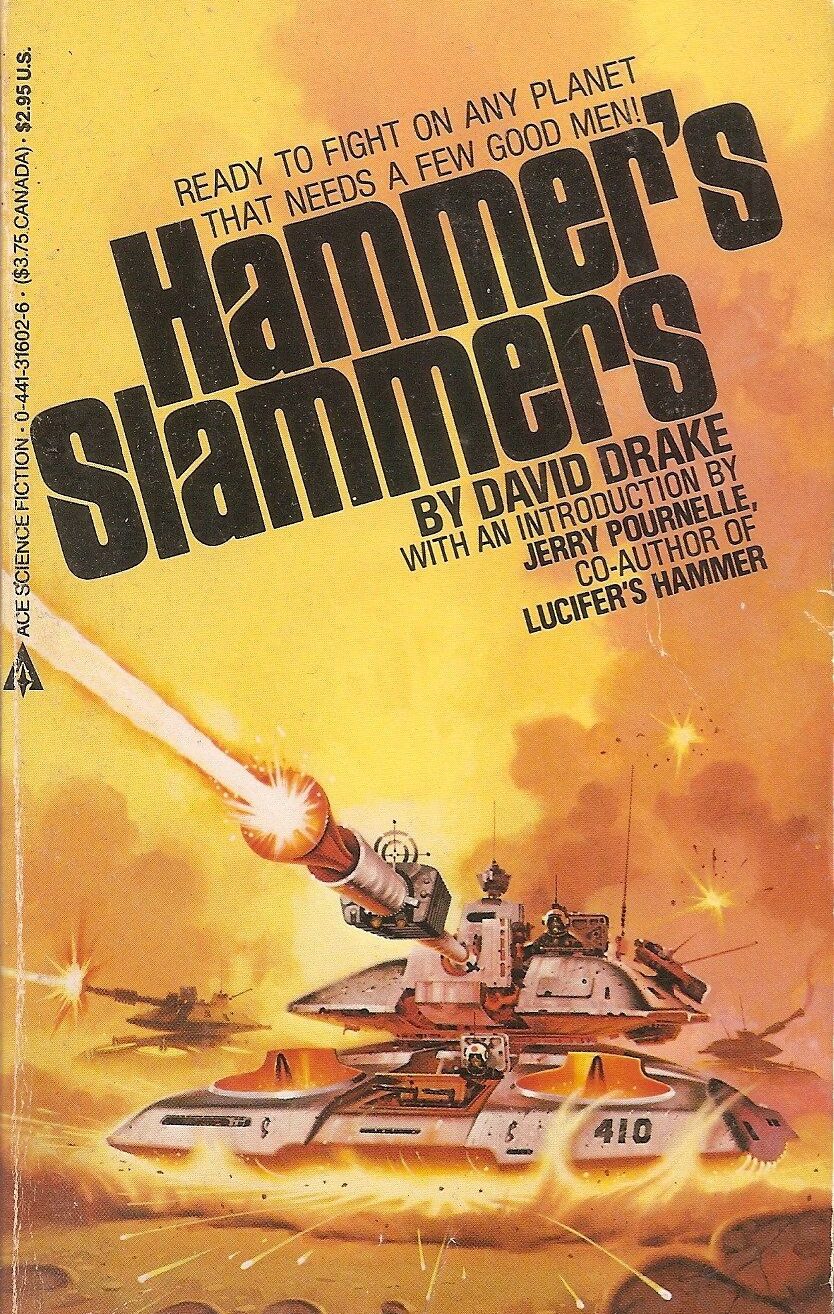
Hammer’s Slammers
by David Drake
Hammer’s Slammers
(Book 1)
When a planetary government faces threats from guerillas, insurgents or terrorists, the men they hire are Hammer’s Slammers – known throughout the galaxy for their cold, ruthless ferocity, their ability to defeat overwhelming forces, and their willingness to go up against impossible odds.
Goodreads: 3.98
Rated 3.98 out of 5
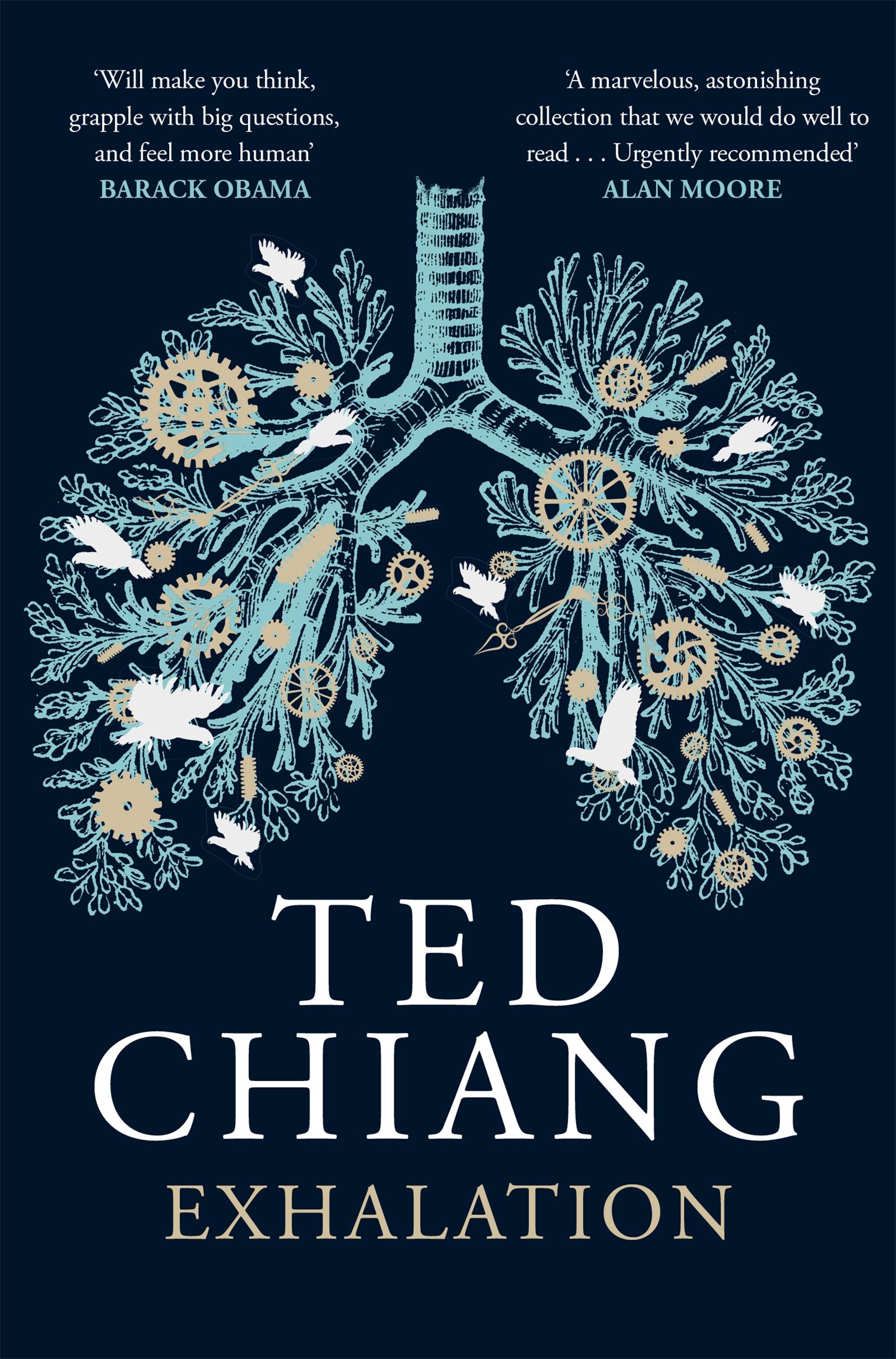
Exhalation: Stories
by Ted Chiang
Nine thoughtful stories that use scientific thinking to explore big questions about free will, time, memory and artificial minds. In the title tale, an anatomist from a strange universe dissects his own brain to discover how his world is dying. Chiang’s characters investigate, test and reason their way through impossible ideas, making this a rich collection for anyone who loves curiosity-driven fiction.
Goodreads: 4.23
Rated 4.23 out of 5
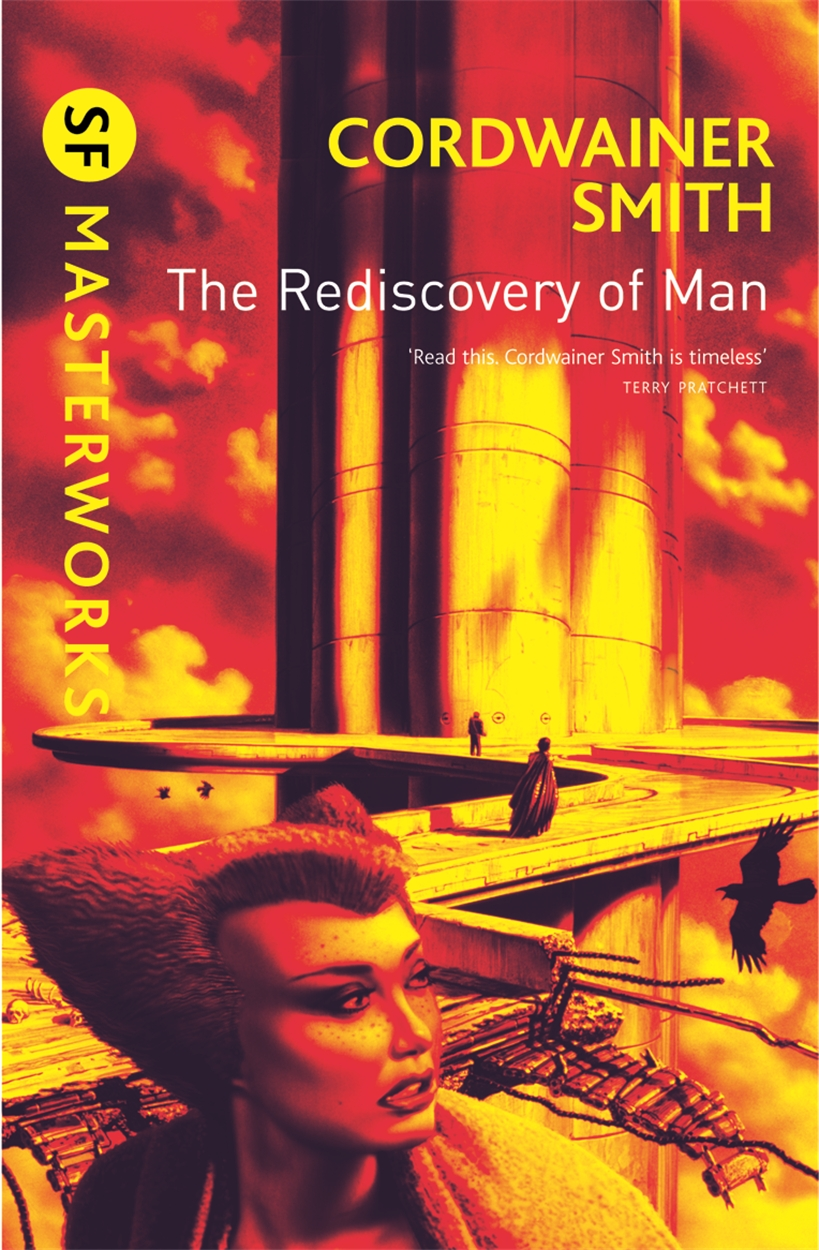
The Rediscovery of Man
by Cordwainer Smith
SFF Masterworks
(Book 10)
Cordwainer Smith was one of the original visionaries to think of humanity in terms of thousands of years in the future, spread out across the universe. This brilliant collection, often cited as the first of its kind, explores fundamental questions about ourselves and our treatment of the universe (and other beings) around us and ultimately what it means to be human.
Goodreads: 4.12
Rated 4.12 out of 5
I, Robot
by Isaac Asimov
Robot
(Book 0.1)
They mustn’t harm a human being, they must obey human orders, and they must protect their own existence…but only so long as that doesn’t violate rules one and two. With these Three Laws of Robotics, humanity embarked on perhaps its greatest adventure: the invention of the first positronic man. It was a bold new era of evolution that would open up enormous possibilities—and unforeseen risks. For the scientists who invented the earliest robots weren’t content that their creations should ‘ remain programmed helpers, companions, and semi sentient worker-machines. And soon the robots themselves; aware of their own intelligence, power, and humanity, aren’t either.
As humans and robots struggle to survive together—and sometimes against each other—on earth and in space, the future of both hangs in the balance. Human men and women confront robots gone mad, telepathic robots, robot politicians, and vast robotic intelligences that may already secretly control the world. And both are asking the same questions: What is human? And is humanity obsolete?