Overgrown: 10 Sci-Fi Novels of Hostile Plants, Fungi and Botanical Dread
Roots creep, spores drift and the forest is paying attention. These ten novels turn plants and fungi into predators, minds and alien overlords, proving the quietest life on Earth may be the most unsettling.
Facebook
Twitter
WhatsApp
Email
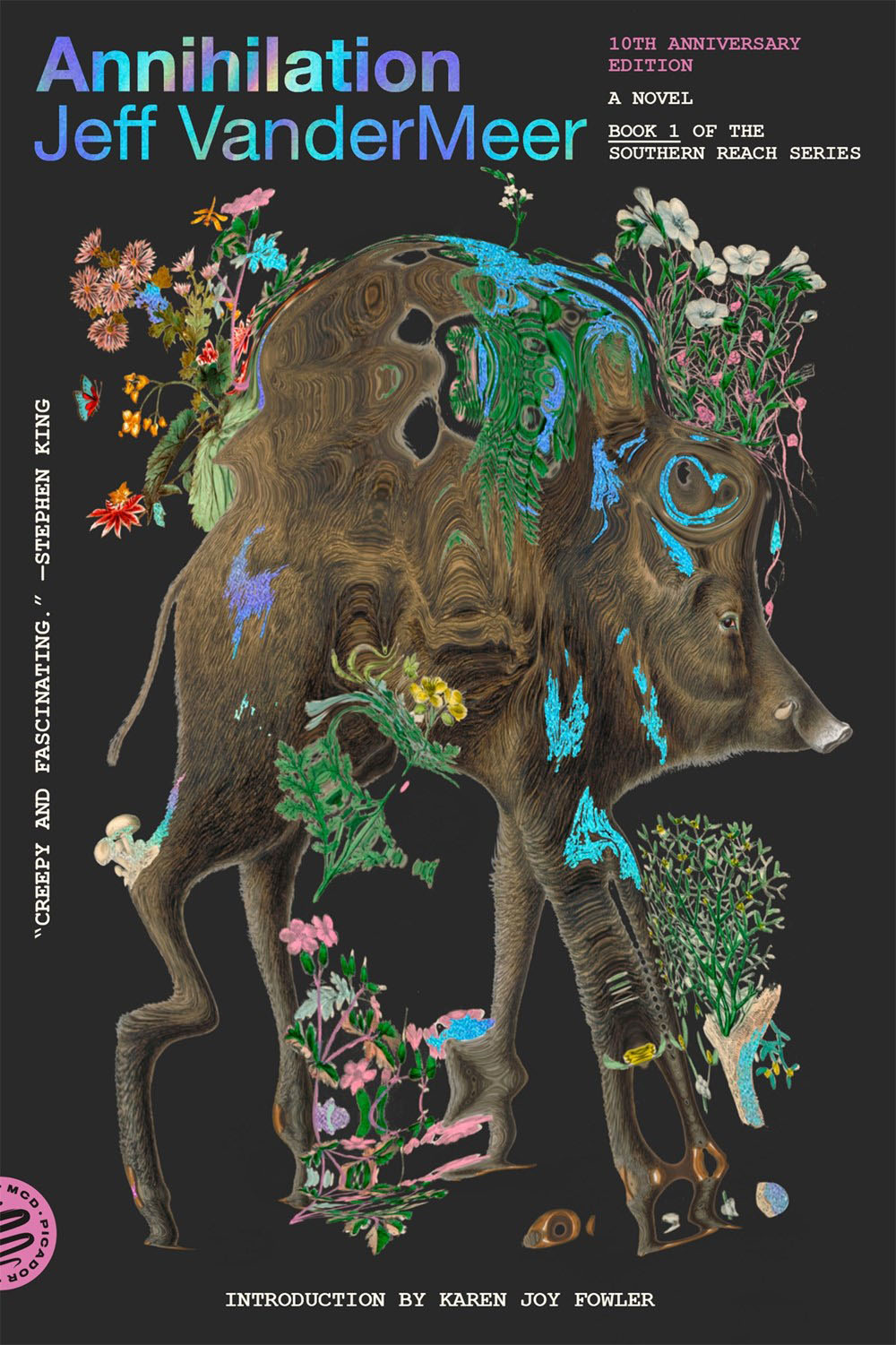
Annihilation
by Jeff VanderMeer
Southern Reach
(Book 1)
Four women enter Area X, a coastal region sealed off from the world after an unexplained event. Their expedition, narrated by a biologist, has been told little and warned of less. Strange tunnels, uncanny growth and shifting landscapes soon blur the line between nature and something far stranger. This short, unsettling novel builds creeping dread from beauty, secrecy and an environment that seems to be quietly changing the explorers themselves.
Goodreads: 3.80
Rated 3.8 out of 5
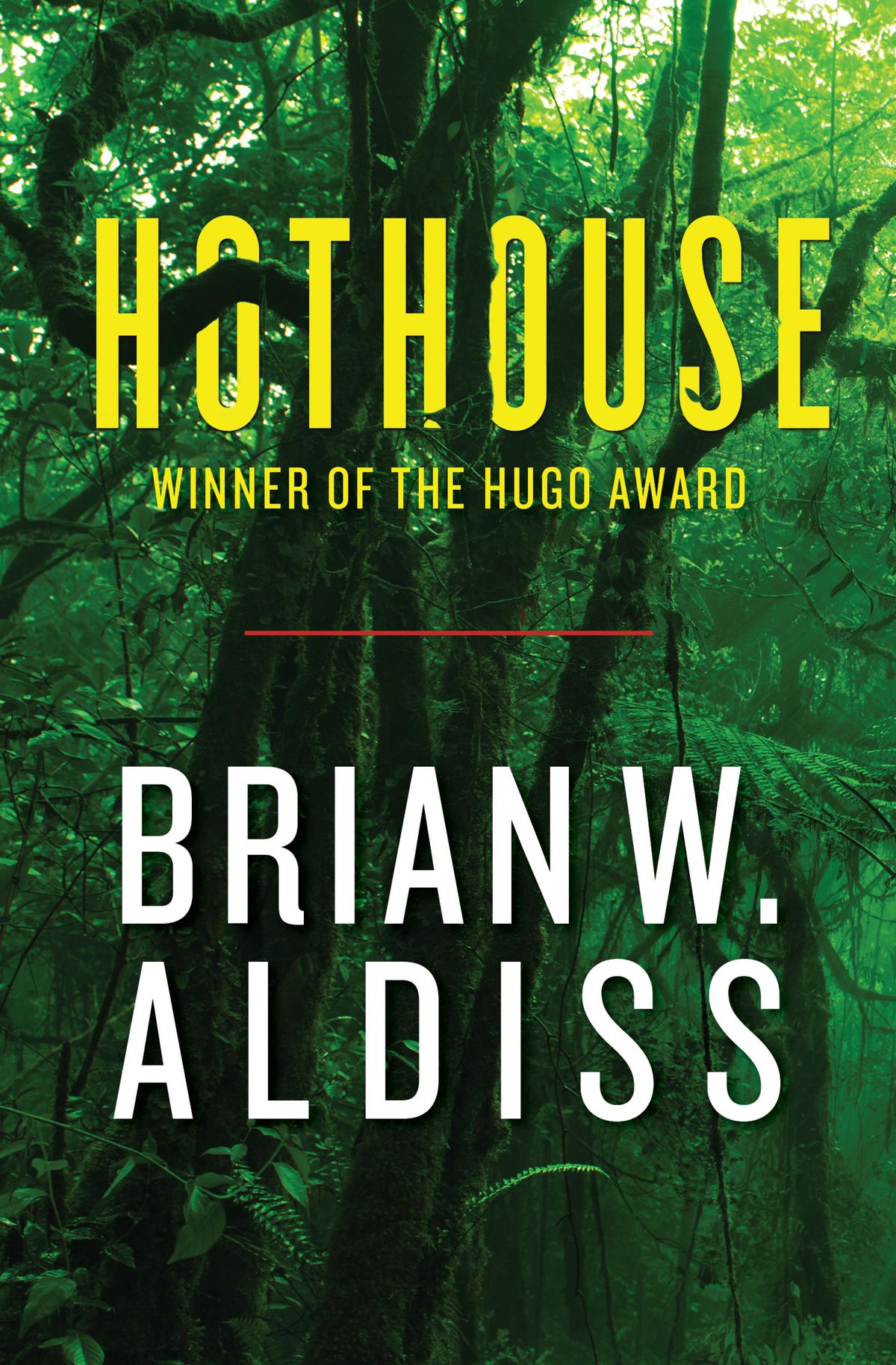
Hothouse
by Brian W. Aldiss
In the far future the Earth has stopped turning, and one side is smothered by a vast, predatory banyan forest while humanity dwindles in its branches. When a young man named Gren is cast out from his tribe, he embarks on a perilous odyssey through lethal jungle and across the planet’s face. Lush, inventive and eerie, it follows a reluctant traveller through a landscape that is thoroughly hostile to people.
Goodreads: 3.63
Rated 3.63 out of 5
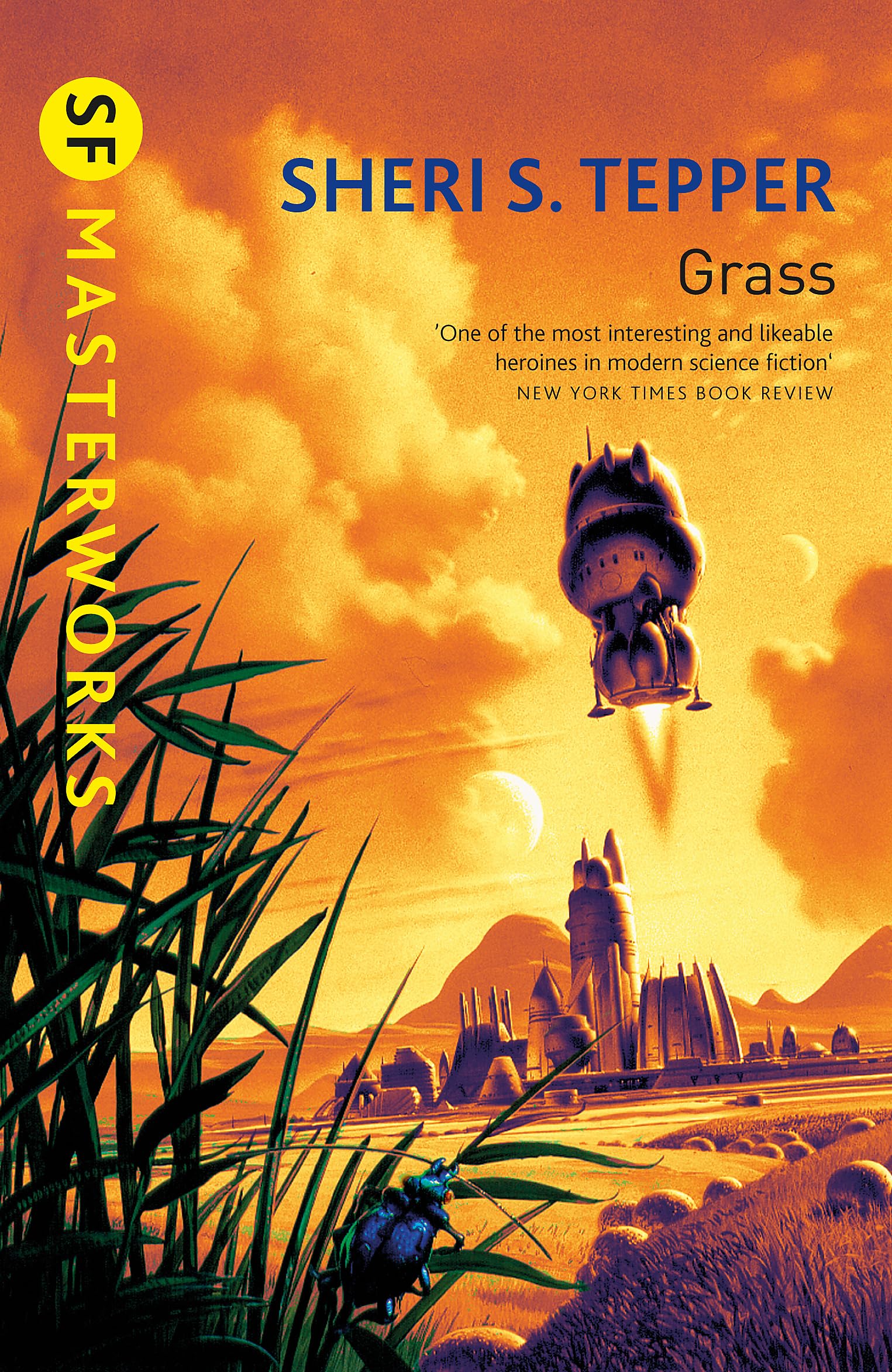
Grass
by Sheri S. Tepper
Arbai
(Book 1)
Humanity has spread across the stars, but the planet Grass, covered in endless prairie and ruled by a hunting aristocracy, remains oddly closed off. When a plague threatens the wider empire, a diplomat and her family are sent to learn why Grass seems immune. What she finds beneath the ritual and tradition is unsettling, and the planet’s secrets challenge everything colonisers assume about the worlds they settle.
Goodreads: 4.02
Rated 4.02 out of 5
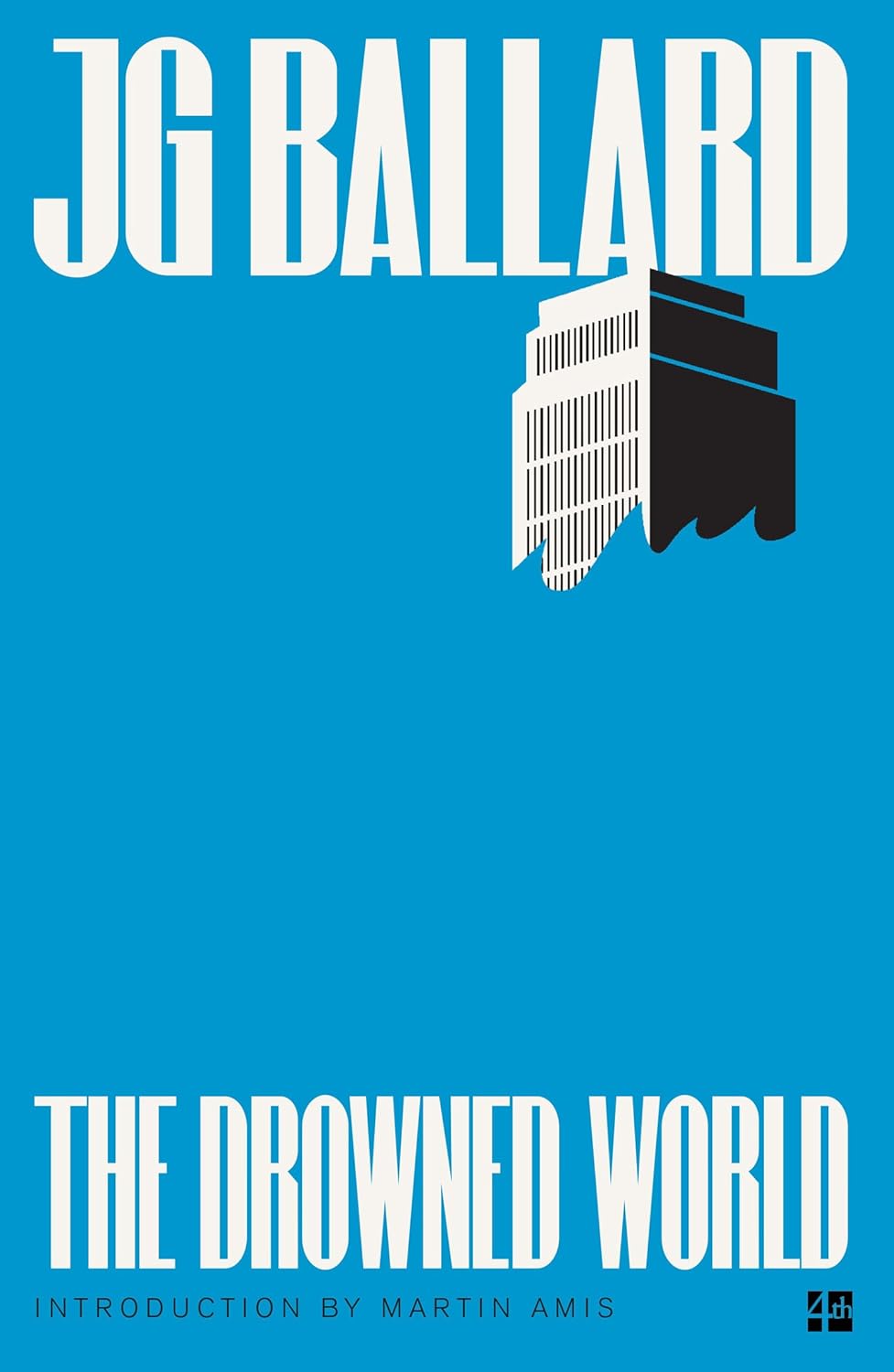
The Drowned World
by J.G. Ballard
Solar storms have heated the planet, flooding European cities and turning them into steaming lagoons choked with giant ferns and primeval vegetation. A small scientific team surveys the changing life from a base in drowned London. As the heat and humidity rise, the researchers begin to experience strange dreams and a pull towards a prehistoric past. Ballard’s lush, hallucinatory prose makes the overgrown world feel both seductive and threatening.
Goodreads: 3.46
Rated 3.46 out of 5
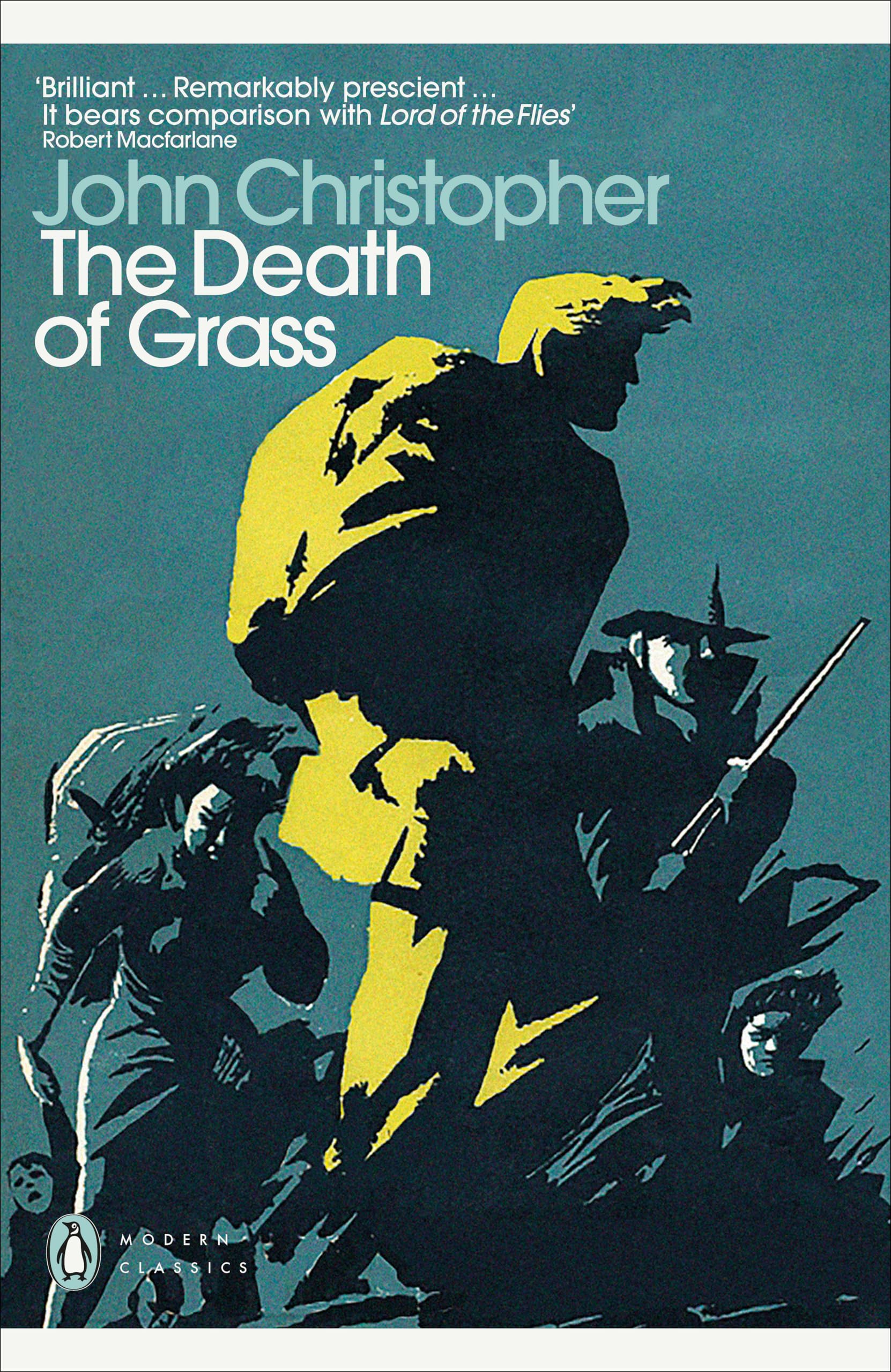
The Death of Grass
by John Christopher
A mutating virus sweeps the globe and kills every grass species, including wheat, rice and barley. As famine looms, a London family decides to flee to a remote valley where relatives have a defensible farm. Civilisation unravels quickly along the road, and ordinary decent people discover what they will do to survive. A bleak, tightly paced British catastrophe novel that shows how much we depend on the humblest plants.
Goodreads: 3.90
Rated 3.9 out of 5
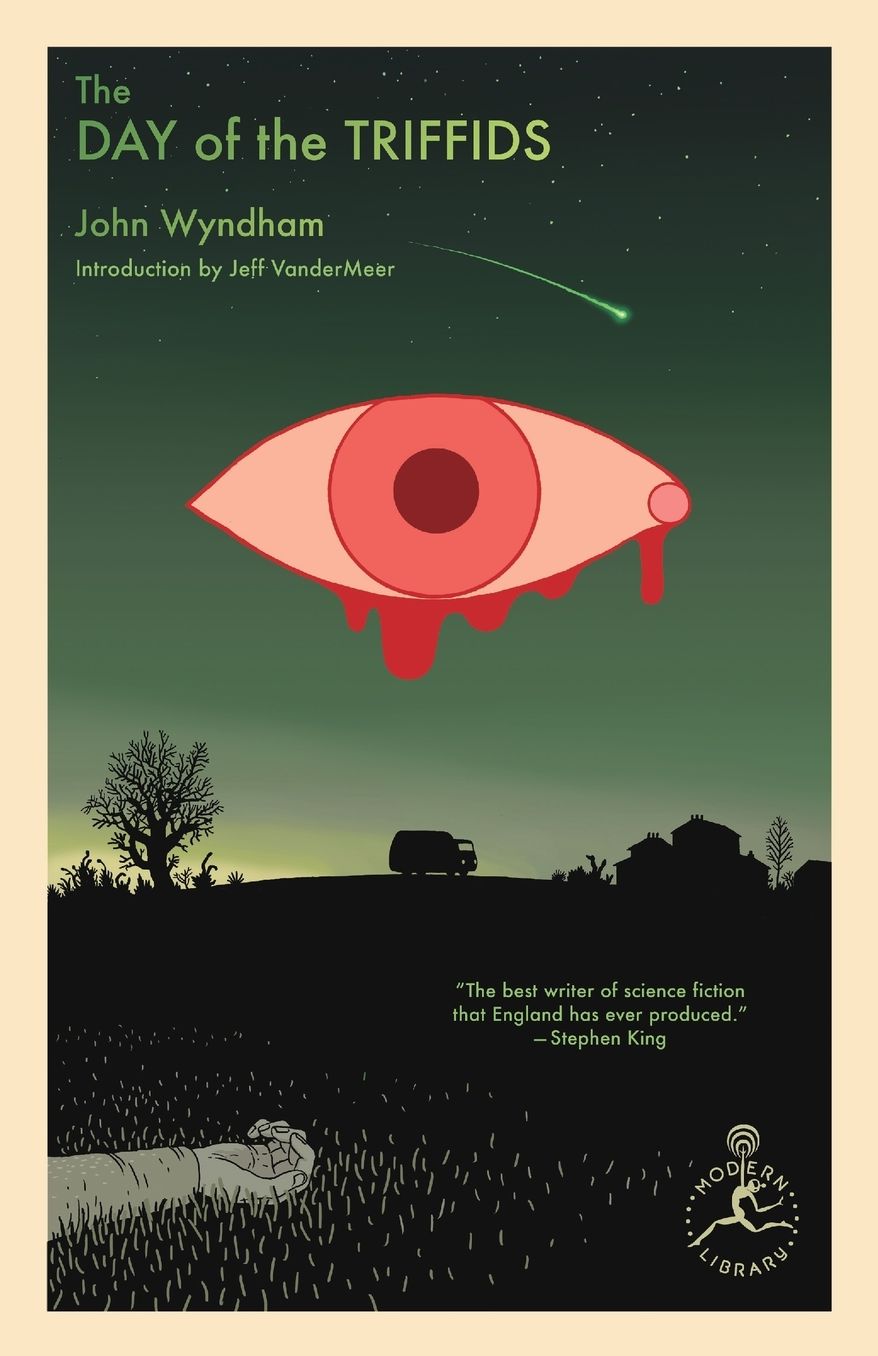
The Day of the Triffids
by John Wyndham
Bill Masen wakes in hospital, eyes bandaged, to find London eerily silent. A spectacular meteor shower has blinded almost everyone who watched it, and the tall, stinging, walking plants farmed for their oil are now loose and hunting. Wyndham’s 1951 ‘cosy catastrophe’ follows scattered survivors as they argue over duty, community and how to rebuild, with chilling calm and sharp British understatement.
Goodreads: 4.01
Rated 4.01 out of 5
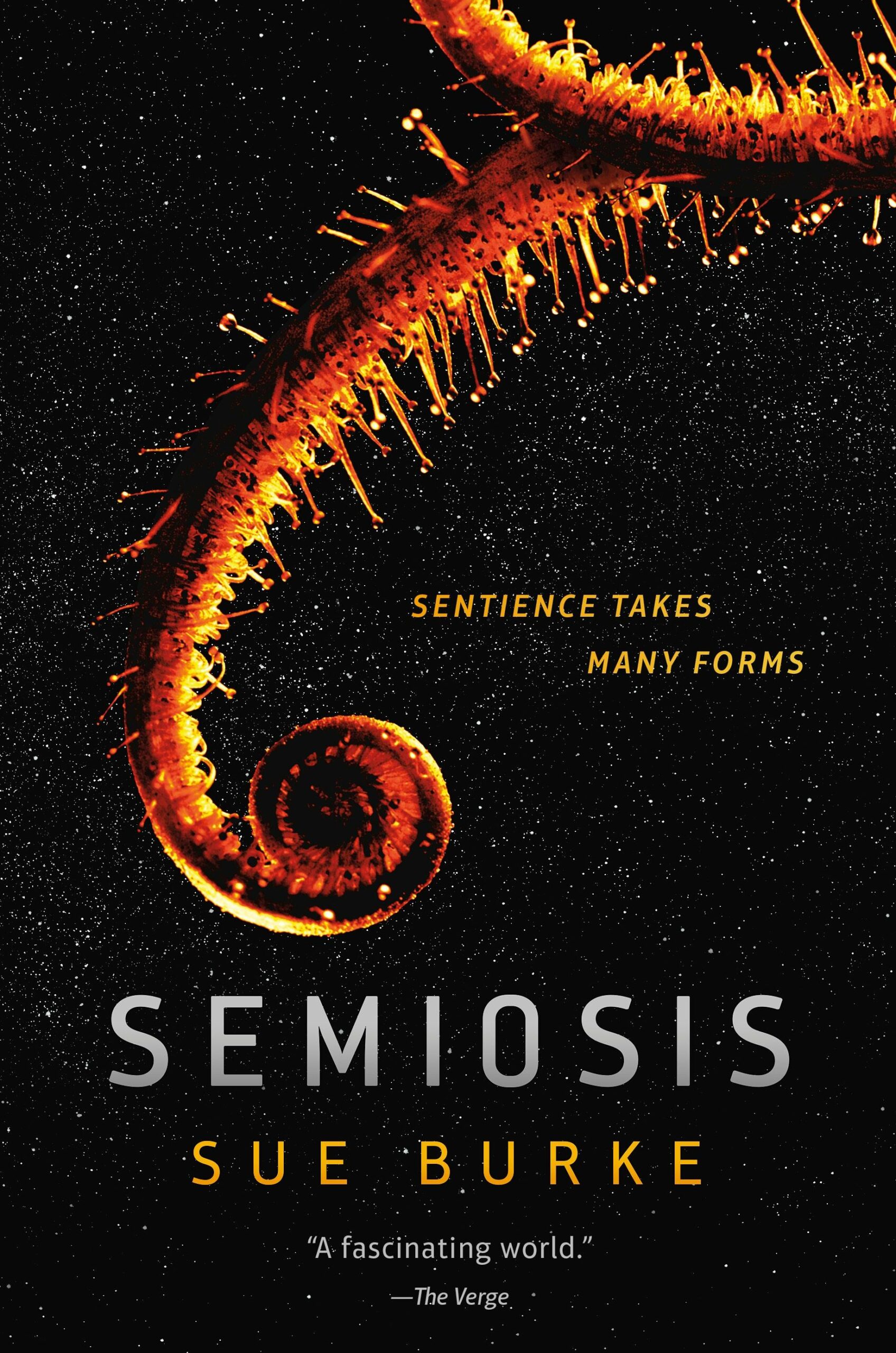
Semiosis
by Sue Burke
Semiosis
(Book 1)
Human settlers leave a ruined Earth hoping for a gentler life on a distant planet, only to find that survival depends on understanding their surroundings. Across several generations, the colonists wrestle with a puzzling, intelligent presence in the local plant life, and with the negotiations it demands. A thoughtful, character-led story about cooperation, communication and what it means to share a world with a very different mind.
Goodreads: 3.91
Rated 3.91 out of 5
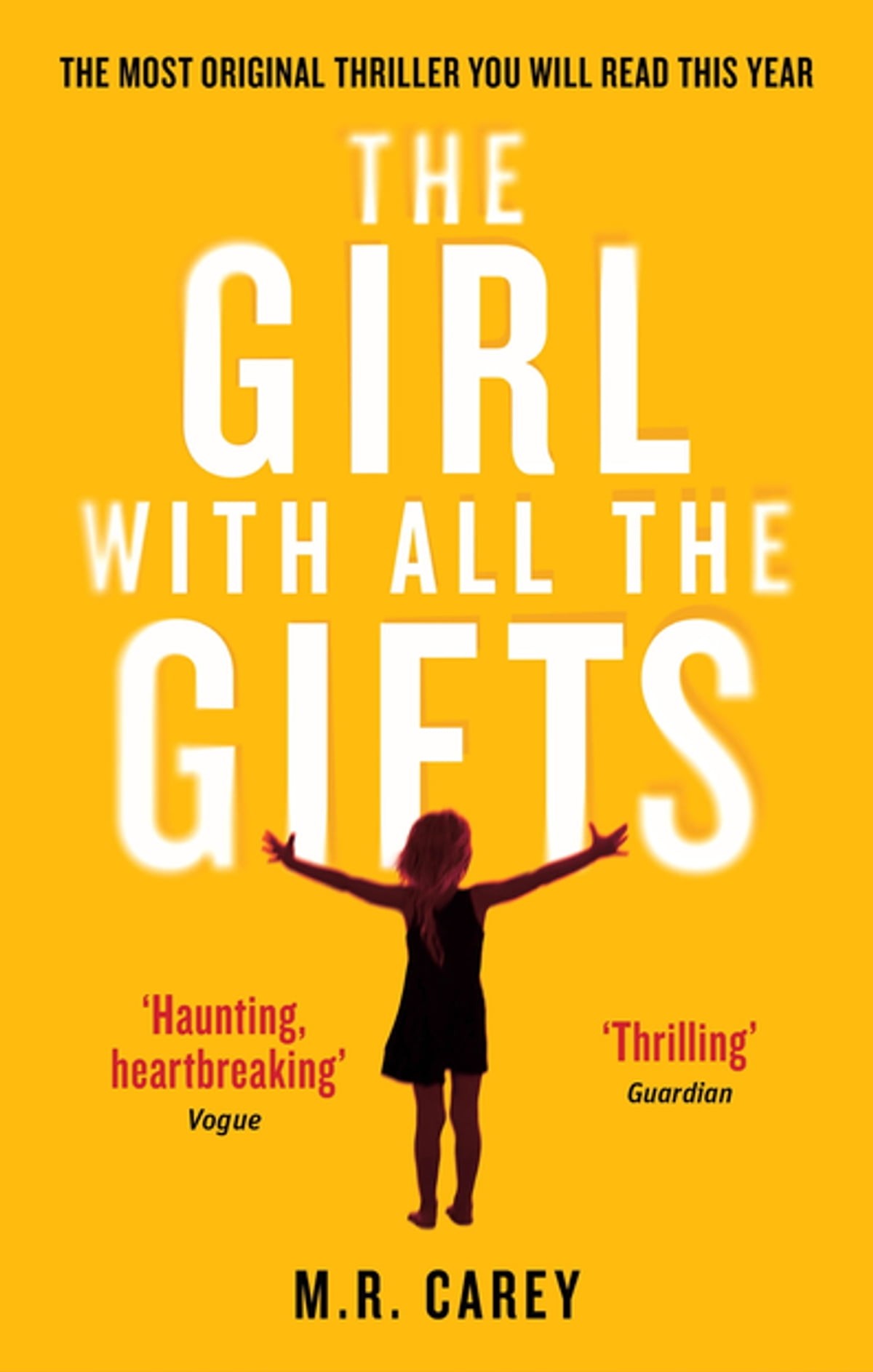
The Girl with All the Gifts
by M.R. Carey
The Girl with All the Gifts
(Book 1)
Melanie is a very special girl. Dr Caldwell calls her “our little genius.”
Every morning, Melanie waits in her cell to be collected for class. When they come for her, Sergeant keeps his gun pointing at her while two of his people strap her into the wheelchair. She thinks they don’t like her. She jokes that she won’t bite, but they don’t laugh.
Melanie loves school. She loves learning about spelling and sums and the world outside the classroom and the children’s cells. She tells her favorite teacher all the things she’ll do when she grows up. Melanie doesn’t know why this makes Miss Justineau look sad.
Goodreads: 3.95
Rated 3.95 out of 5
The Windup Girl
by Paolo Bacigalupi
The Windup Universe
(Book 1)
Anderson Lake is a company man, AgriGen’s Calorie Man in Thailand. Under cover as a factory manager, Anderson combs Bangkok’s street markets in search of foodstuffs thought to be extinct, hoping to reap the bounty of history’s lost calories. There, he encounters Emiko…
Emiko is the Windup Girl, a strange and beautiful creature. One of the New People, Emiko is not human; instead, she is an engineered being, creche-grown and programmed to satisfy the decadent whims of a Kyoto businessman, but now abandoned to the streets of Bangkok. Regarded as soulless beings by some, devils by others, New People are slaves, soldiers, and toys of the rich in a chilling near future in which calorie companies rule the world, the oil age has passed, and the side effects of bio-engineered plagues run rampant across the globe.
What Happens when calories become currency? What happens when bio-terrorism becomes a tool for corporate profits, when said bio-terrorism’s genetic drift forces mankind to the cusp of post-human evolution? Award-winning author Paolo Bacigalupi delivers one of the most highly acclaimed science fiction novels of the twenty-first century.
Goodreads: 3.75
Rated 3.75 out of 5
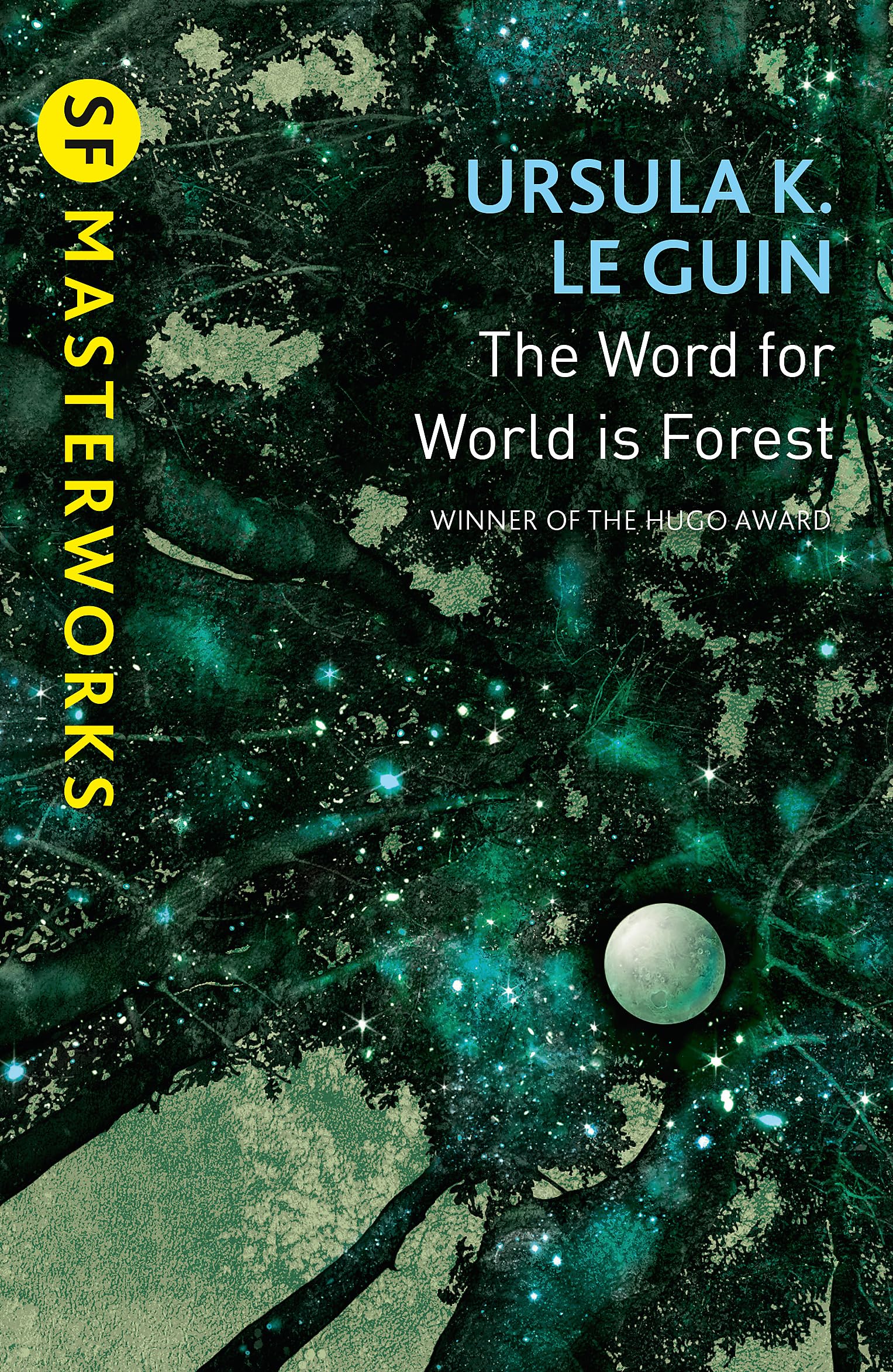
The Word for World Is Forest
by Ursula K. Le Guin
Hainish Cycle
(Book 5)
Human colonists have arrived on the lush, forested planet of Athshe, felling trees and subjugating its small, green-furred inhabitants. As the occupation grows crueller, the natives’ dream-centred culture is pushed towards resistance. Le Guin’s short, fierce novel weaves ecology, colonialism and war into a vivid portrait of a living world and the people who belong to it.