Paradise with a Catch: 11 Sci-Fi Novels That Question Utopia
What would a truly good society cost, and who pays? These eleven novels build gleaming, peaceful or anarchic worlds, then test them against human nature, leaving you to decide whether you would want to live there.
Facebook
Twitter
WhatsApp
Email
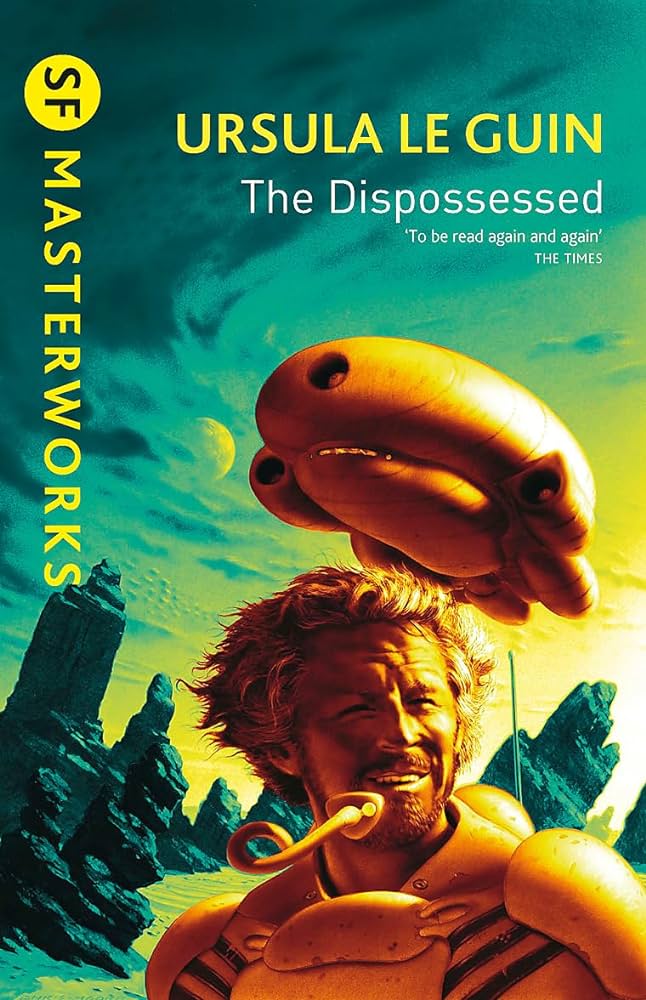
The Dispossessed
by Ursula K. Le Guin
Hainish Cycle
(Book 6)
Shevek, a brilliant physicist, decides to take action. He will seek answers, question the unquestionable, and attempt to tear down the walls of hatred that have isolated his planet of anarchists from the rest of the civilized universe.
To do this dangerous task will mean giving up his family and possibly his life—Shevek must make the unprecedented journey to the utopian mother planet, Urras, to challenge the complex structures of life and living, and ignite the fires of change.
Goodreads: 4.26
Rated 4.26 out of 5
Brave New World
by Aldous Huxley
Aldous Huxley’s profoundly important classic of world literature, Brave New World is a searching vision of an unequal, technologically-advanced future where humans are genetically bred, socially indoctrinated, and pharmaceutically anesthetized to passively uphold an authoritarian ruling order–all at the cost of our freedom, full humanity, and perhaps also our souls.
“A genius who spent his life decrying the onward march of the Machine” (The New Yorker), Huxley was a man of incomparable talents: equally an artist, a spiritual seeker, and one of history’s keenest observers of human nature and civilization. Brave New World, his masterpiece, has enthralled and terrified millions of readers, and retains its urgent relevance to this day as both a warning to be heeded as we head into tomorrow and as thought-provoking, satisfying work of literature. Written in the shadow of the rise of fascism during the 1930s, Brave New World likewise speaks to a 21st-century world dominated by mass-entertainment, technology, medicine and pharmaceuticals, the arts of persuasion, and the hidden influence of elites.
Goodreads: 3.98
Rated 3.98 out of 5
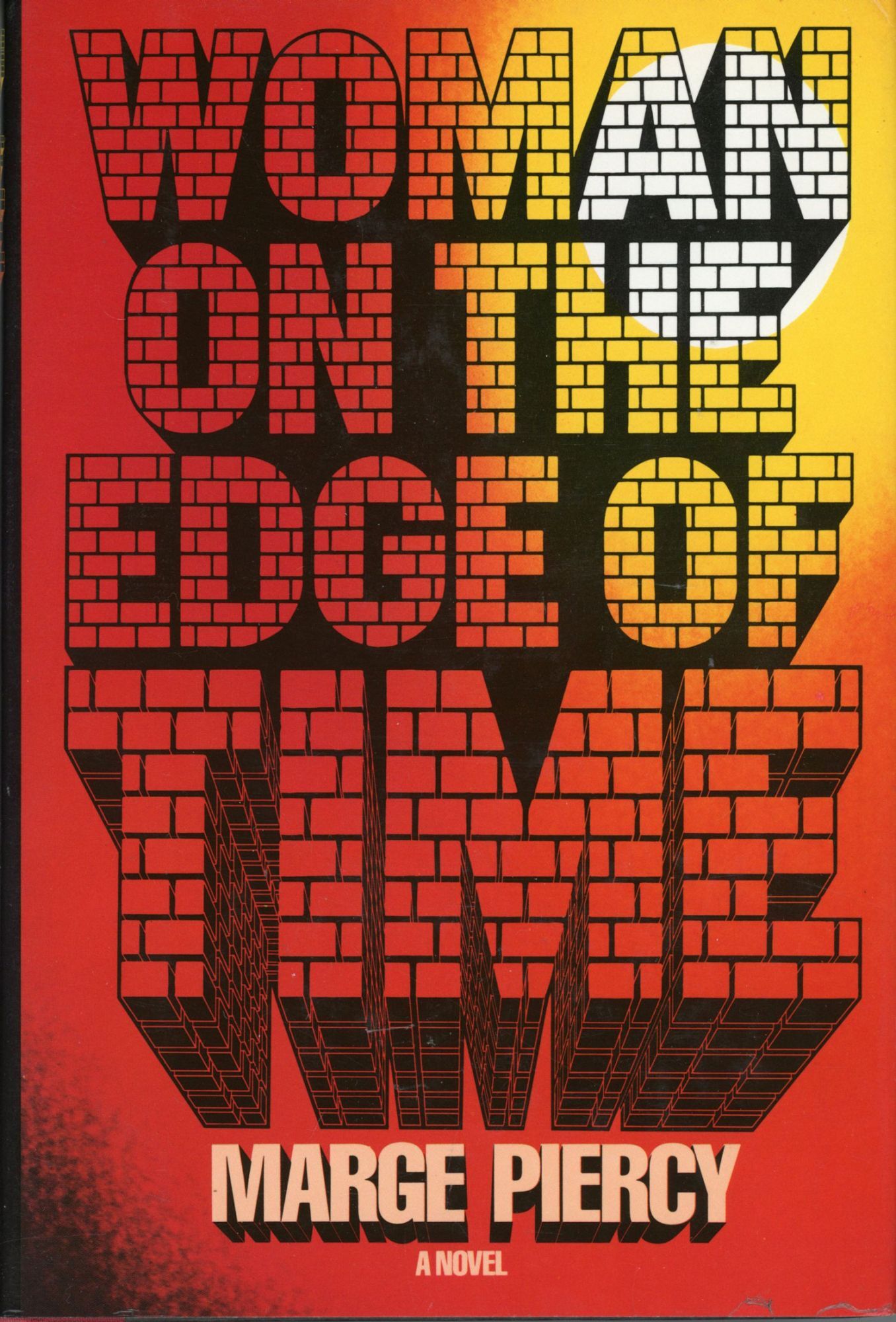
Woman on the Edge of Time
by Marge Piercy
Connie Ramos, a poor Latina woman confined to a psychiatric hospital, is contacted by a visitor from a future village where gender, parenthood and power work very differently. As she glimpses both a hopeful utopia and a grim alternative, her own struggle for freedom grows more urgent. Piercy blends social realism with speculation in a passionate, thought-provoking story about choice and justice.
Goodreads: 3.91
Rated 3.91 out of 5
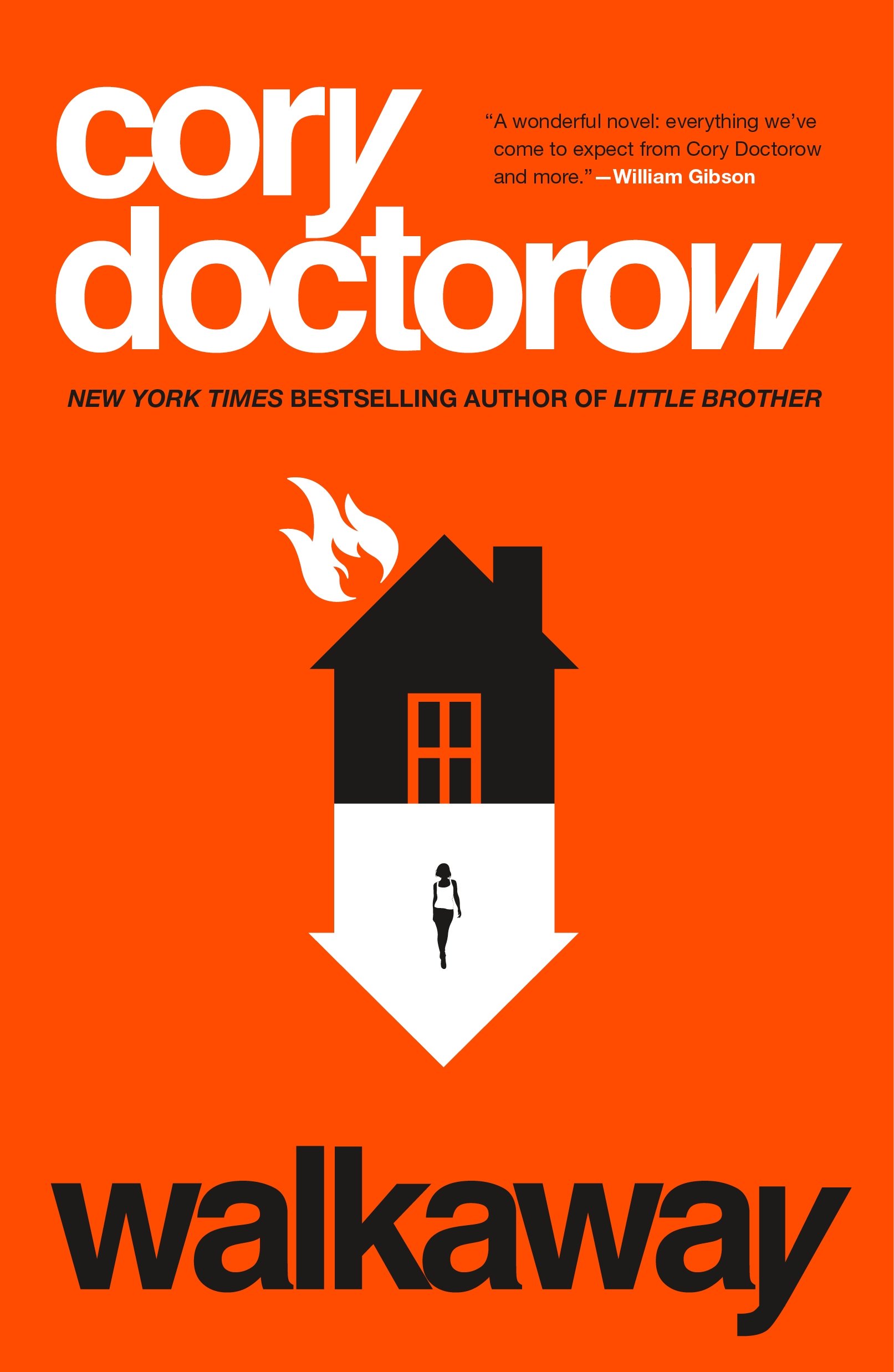
Walkaway
by Cory Doctorow
In a future of extreme inequality and automated plenty, some people simply walk away from the wealthy ‘default’ world to build communal settlements in abandoned places. As the rich retaliate and the walkaways make a discovery that threatens the old order, a sprawling, idealistic story unfolds. It asks what a society could look like after scarcity, and what it costs to leave the old one behind.
Goodreads: 3.75
Rated 3.75 out of 5
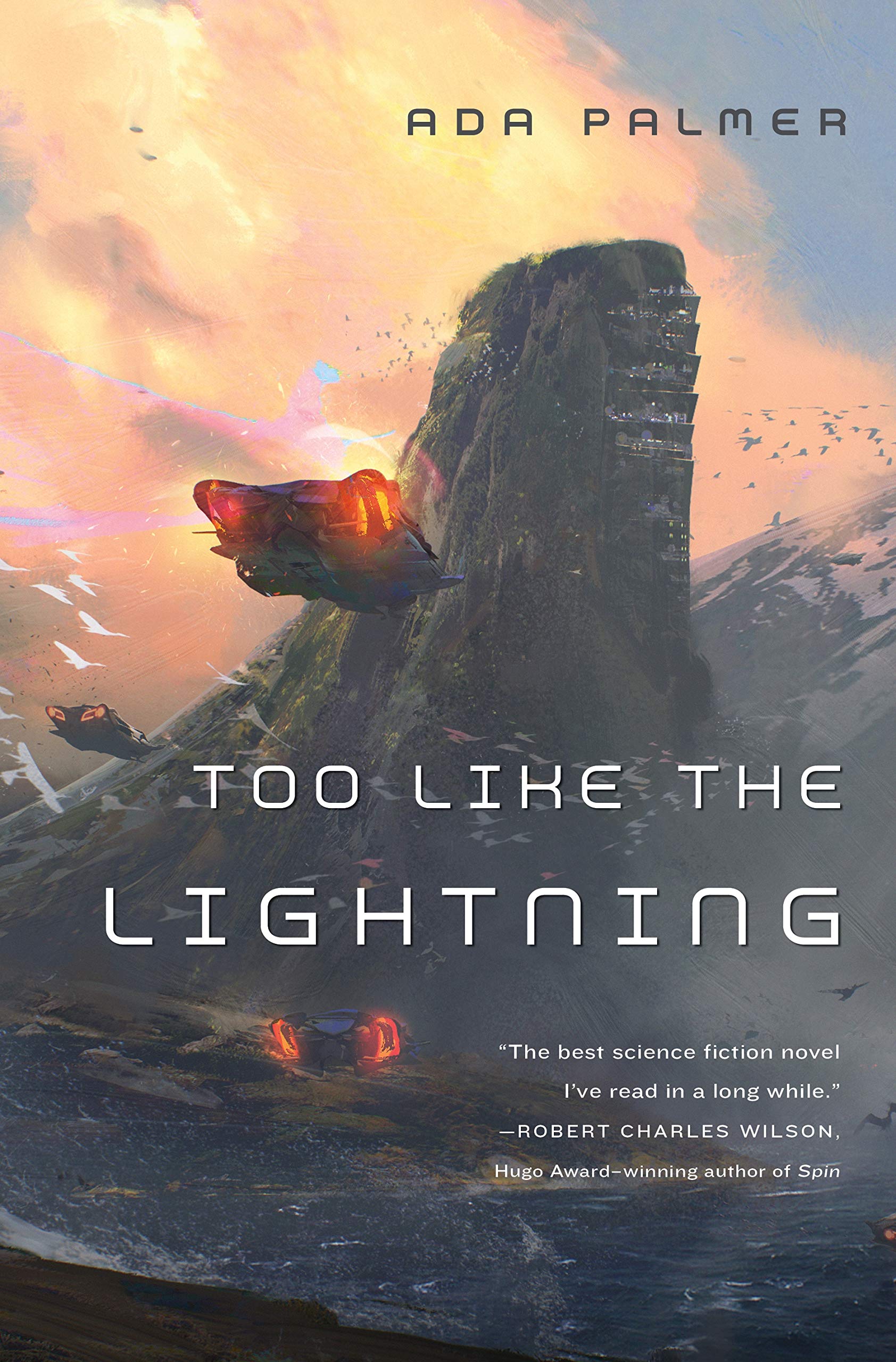
Too Like the Lightning
by Ada Palmer
Terra Ignota
(Book 1)
In a 25th-century world where traditional nations have been replaced by voluntary global ‘Hives’, a convicted criminal records the story of a boy with miraculous powers and the conspiracy surrounding him. Written in the manner of an Enlightenment memoir, it is a dense, ornate tale of secret deals, fragile peace and rulers whose decisions could unravel a carefully balanced utopia.
Goodreads: 3.81
Rated 3.81 out of 5
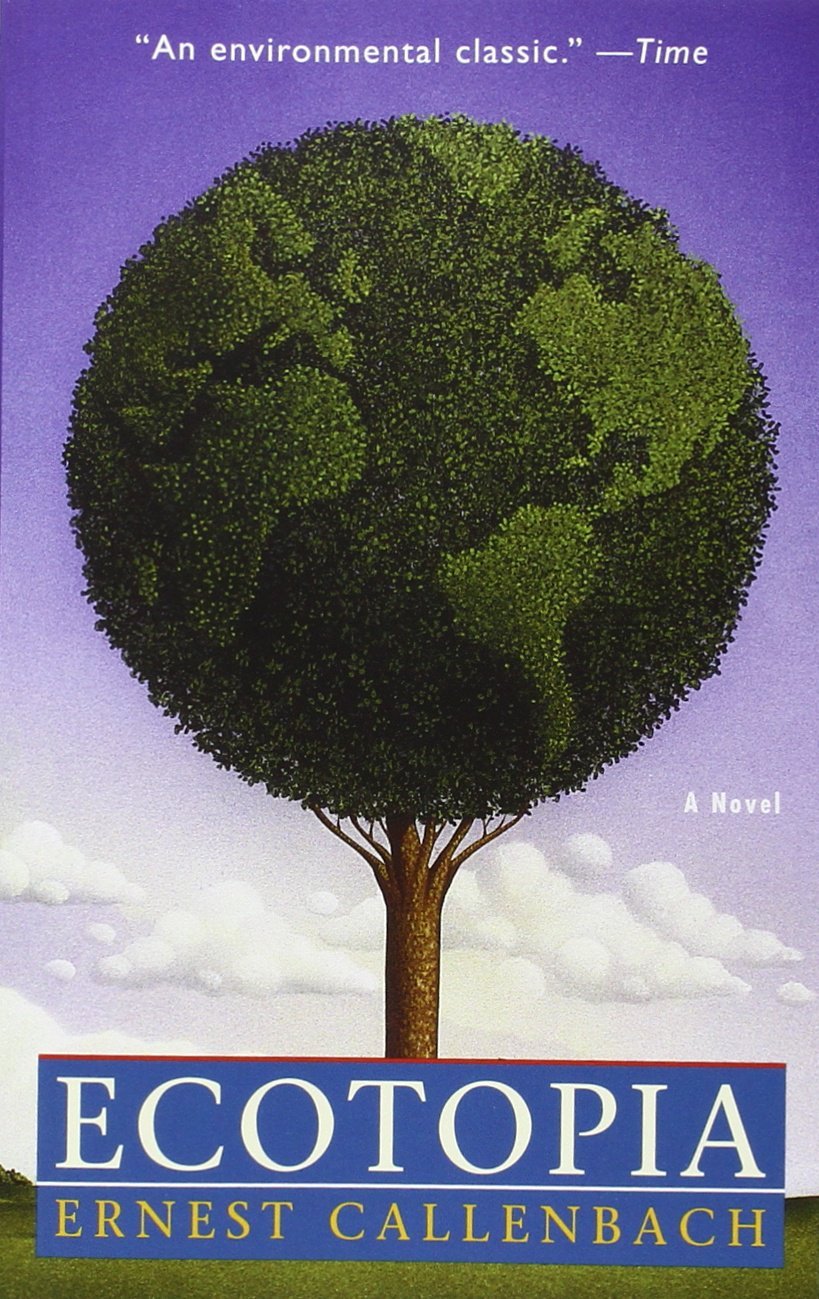
Ecotopia
by Ernest Callenbach
Ecotopia
(Book 1)
Northern California, Oregon and Washington have broken away from the United States to build an ecological, steady-state society. Twenty years later, sceptical journalist William Weston becomes the first American allowed in. His reports, and his private diary, chart a growing fascination with a country of recycled everything, short working weeks and ritualised conflict. It is a landmark of green utopian writing, optimistic but alert to its own oddities.
Goodreads: 3.58
Rated 3.58 out of 5
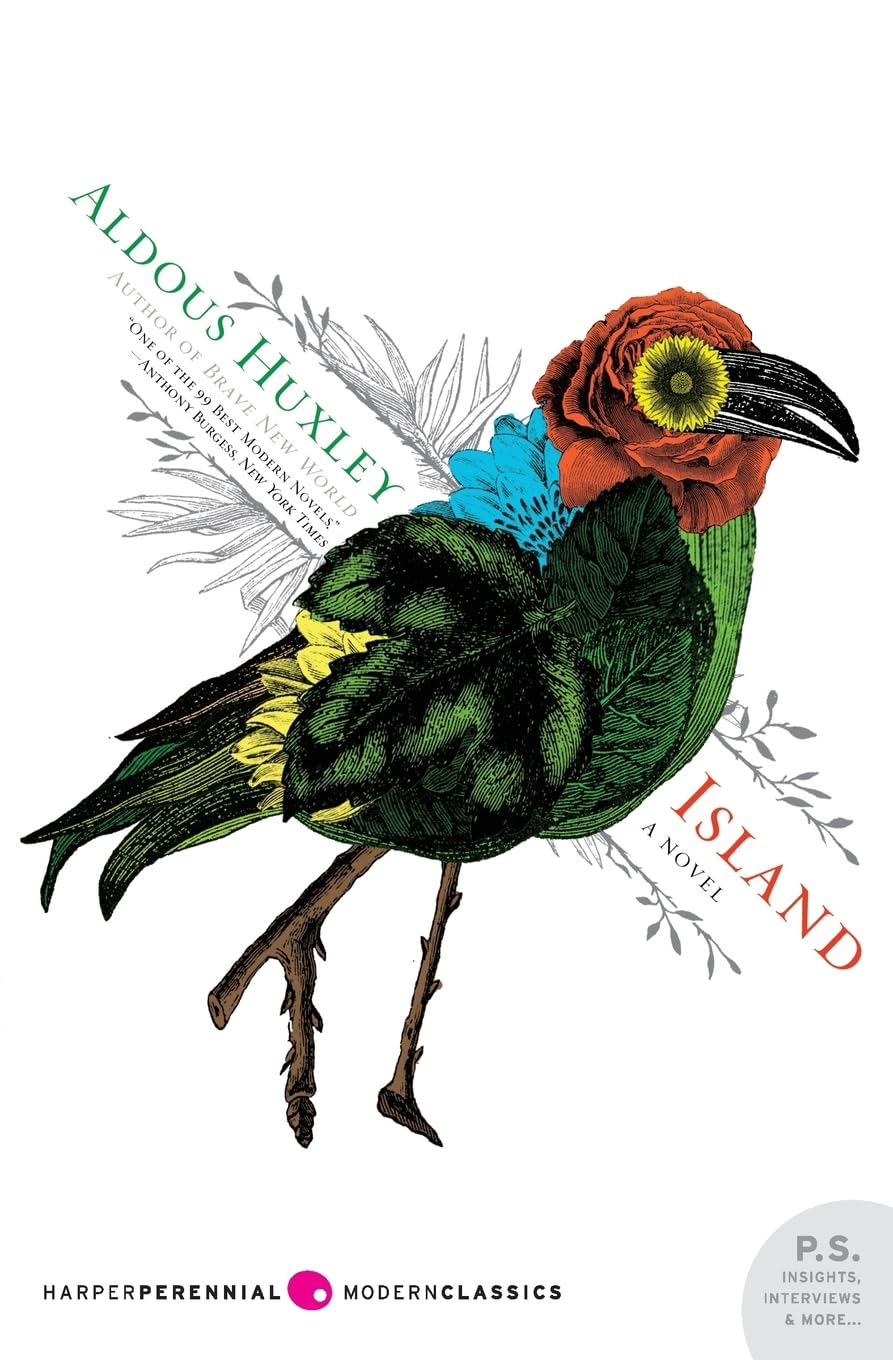
Island
by Aldous Huxley
Shipwrecked journalist Will Farnaby washes up on Pala, a hidden island where people have blended Eastern wisdom with modern science, and where education, sexuality, medicine and community are arranged for human flourishing. As he explores, he also learns how fragile such a place is against oil-hungry powers outside. Huxley’s final novel is his hopeful counterpart to Brave New World, and still raises tough questions about whether paradise can last.
Goodreads: 3.84
Rated 3.84 out of 5
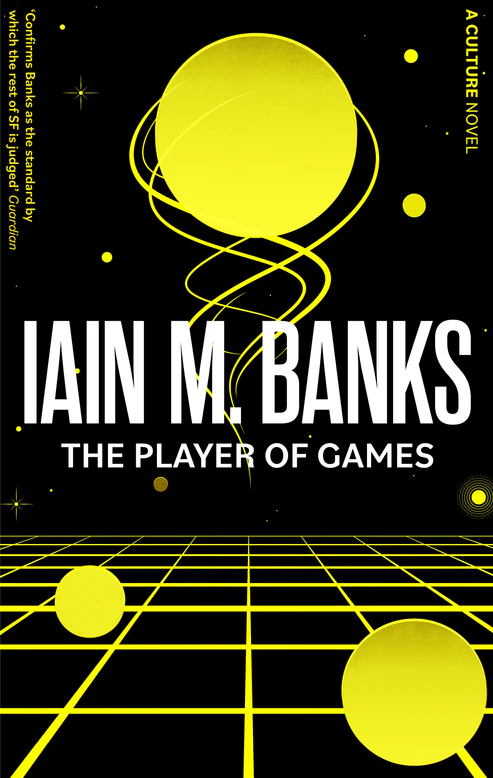
The Player of Games
by Iain M. Banks
Culture
(Book 2)
The Culture – a humanoid/machine symbiotic society – has thrown up many great Game Players. One of the best is Jernau Morat Gurgeh, Player of Games, master of every board, computer and strategy. Bored with success, Gurgeh travels to the Empire of Azad, cruel & incredibly wealthy, to try their fabulous game, a game so complex, so like life itself, that the winner becomes emperor. Mocked, blackmailed, almost murdered, Gurgeh accepts the game and with it the challenge of his life, and very possibly his death.
Goodreads: 4.28
Rated 4.28 out of 5
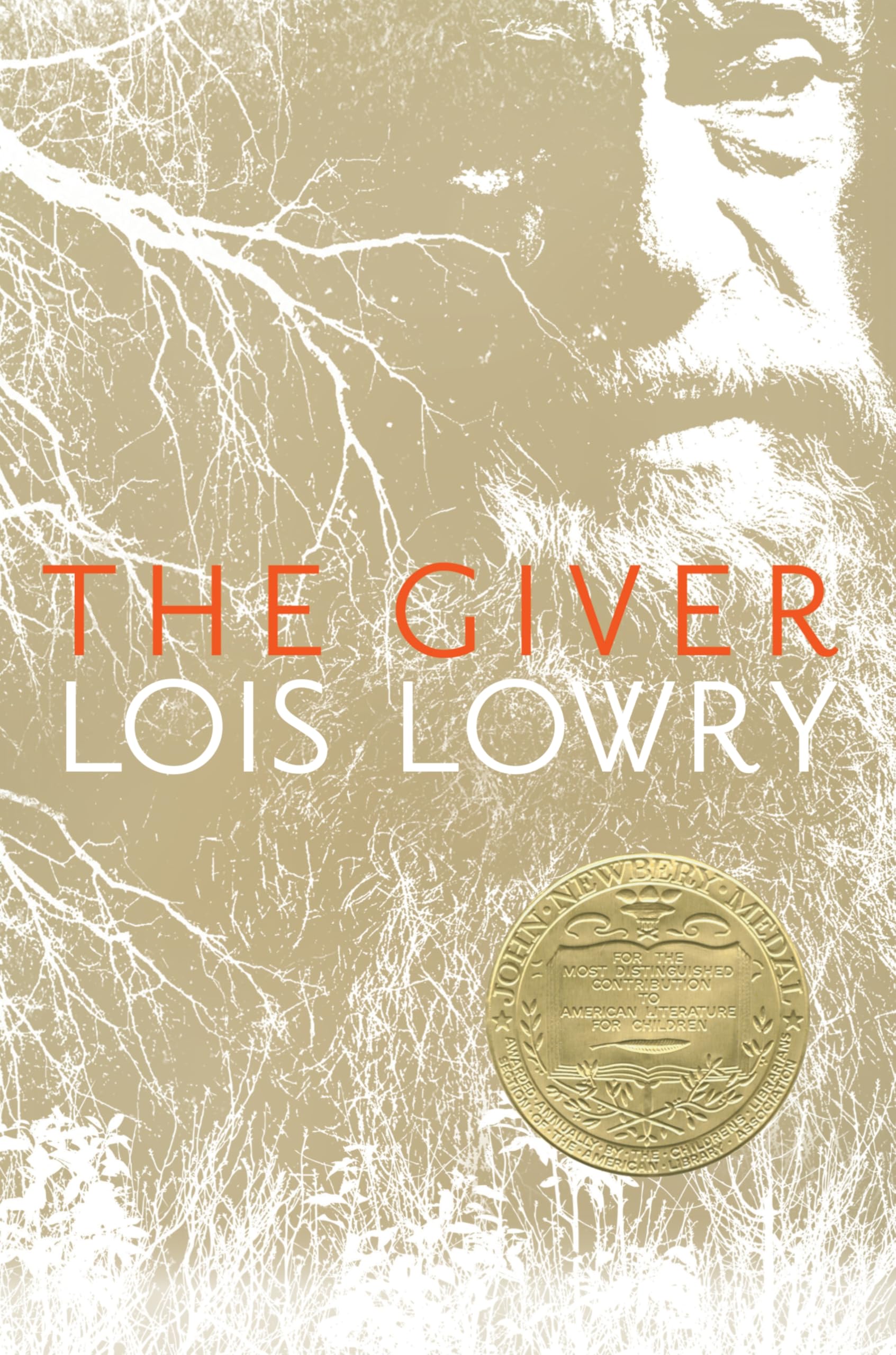
The Giver
by Lois Lowry
The Giver Quartet
(Book 1)
Twelve-year-old Jonas lives in a community with no war, hunger, pain or unpleasant surprises, where every choice is made for its citizens. Then he is chosen to inherit the community’s memories, and begins to see what was surrendered in exchange for calm. A short, quietly chilling story about sameness, memory and the value of feeling something real, it works as a gentle first step into utopian fiction.
Goodreads: 4.12
Rated 4.12 out of 5
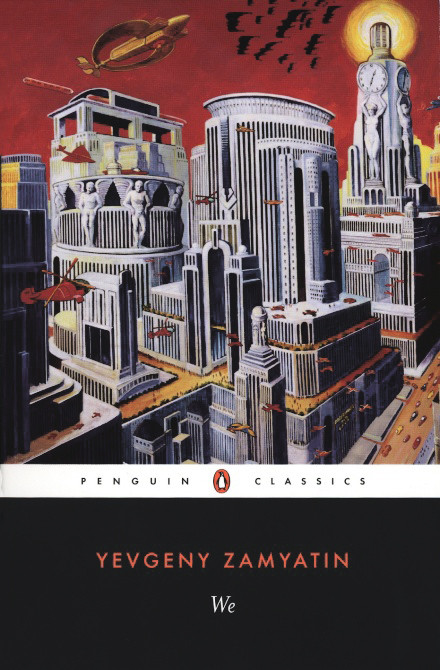
We
by Yevgeny Zamyatin
In the glass-walled One State, every hour of life is scheduled and individuality is treated as a disease. D-503, a loyal mathematician building the spaceship Integral, begins a diary for the glory of the regime, but an unexpected encounter awakens feelings and doubts he cannot suppress. Written in Russian in the early 1920s, this pioneering dystopia influenced Orwell and Huxley and still feels startlingly sharp.
Goodreads: 3.91
Rated 3.91 out of 5
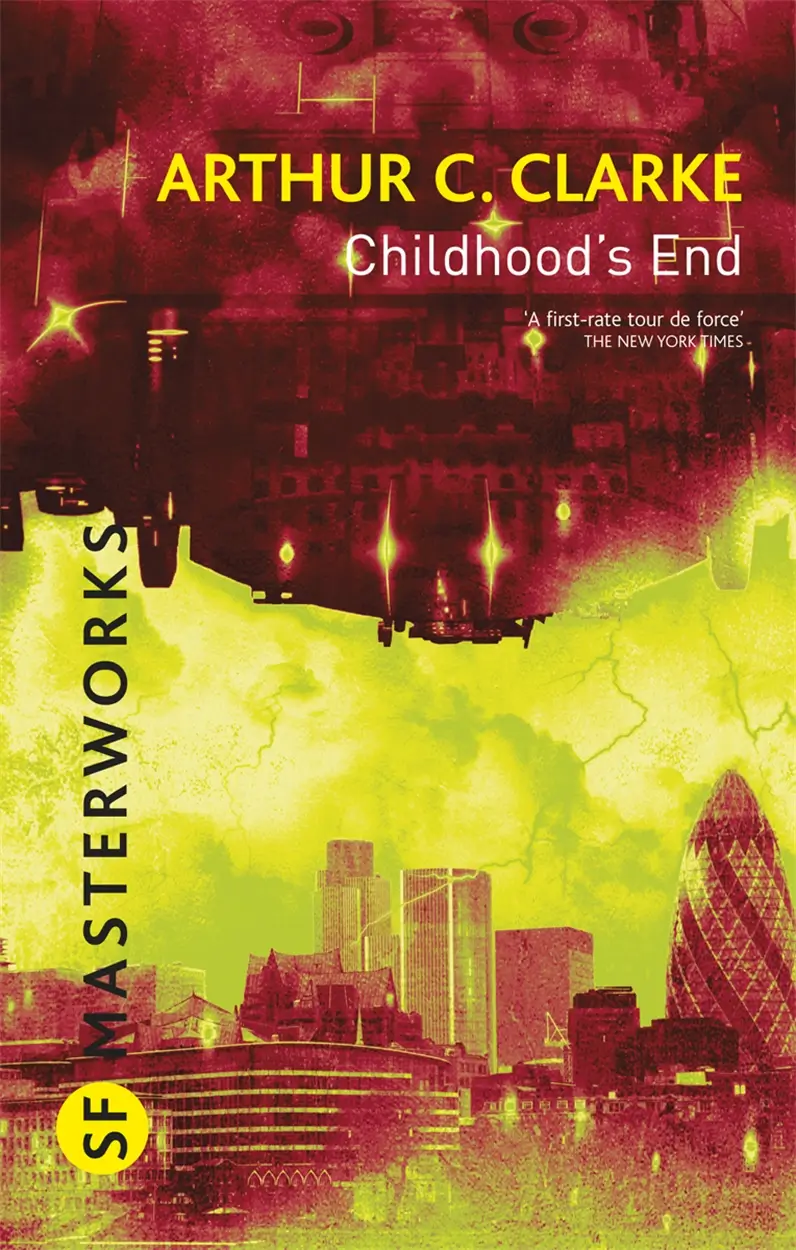
Childhood’s End
by Arthur C. Clarke
The Overlords appeared suddenly over every city—intellectually, technologically, and militarily superior to humankind. Benevolent, they made few demands: unify earth, eliminate poverty, and end war. With little rebellion, humankind agreed, and a golden age began.
But at what cost? With the advent of peace, man ceases to strive for creative greatness, and a malaise settles over the human race. To those who resist, it becomes evident that the Overlords have an agenda of their own. As civilization approaches the crossroads, will the Overlords spell the end for humankind . . . or the beginning?