Visions of Tomorrow: 10 Essential Arthur C. Clarke Novels
Arthur C. Clarke imagined space elevators, silent alien starships and the next step in human evolution with unmatched awe. This list gathers ten of his finest novels, from monolith-haunted odysseys to quiet, melancholy visions of Earth’s far future.
Facebook
Twitter
WhatsApp
Email
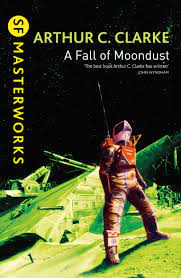
A Fall of Moondust
by Arthur C. Clarke
For a million years the bubble had been growing, like a vast abscess, below the root of the mountains. Now the abscess was about to burst. Captain Harris had left the controls on autopilot and was talking to the front row of passengers as the first tremor shook the boat. For a fraction of a second he wondered if a fan blade had hit some submerged obstacle; then, quite literally, the bottom fell out of his world.
It fell slowly, as all things must upon the Moon. The sea was alive and moving . . . Every stage of that nightmare transformation was pitilessly illuminated by the earth light, until the crater was so deep that its firewall was completely lost in shadow, and it seemed as if Selene were racing into a curving crescent of utter blackness – an arc of annihilation.
In darkness and in silence, they were sinking into the Moon. . . .
Goodreads: 3.89
Rated 3.89 out of 5
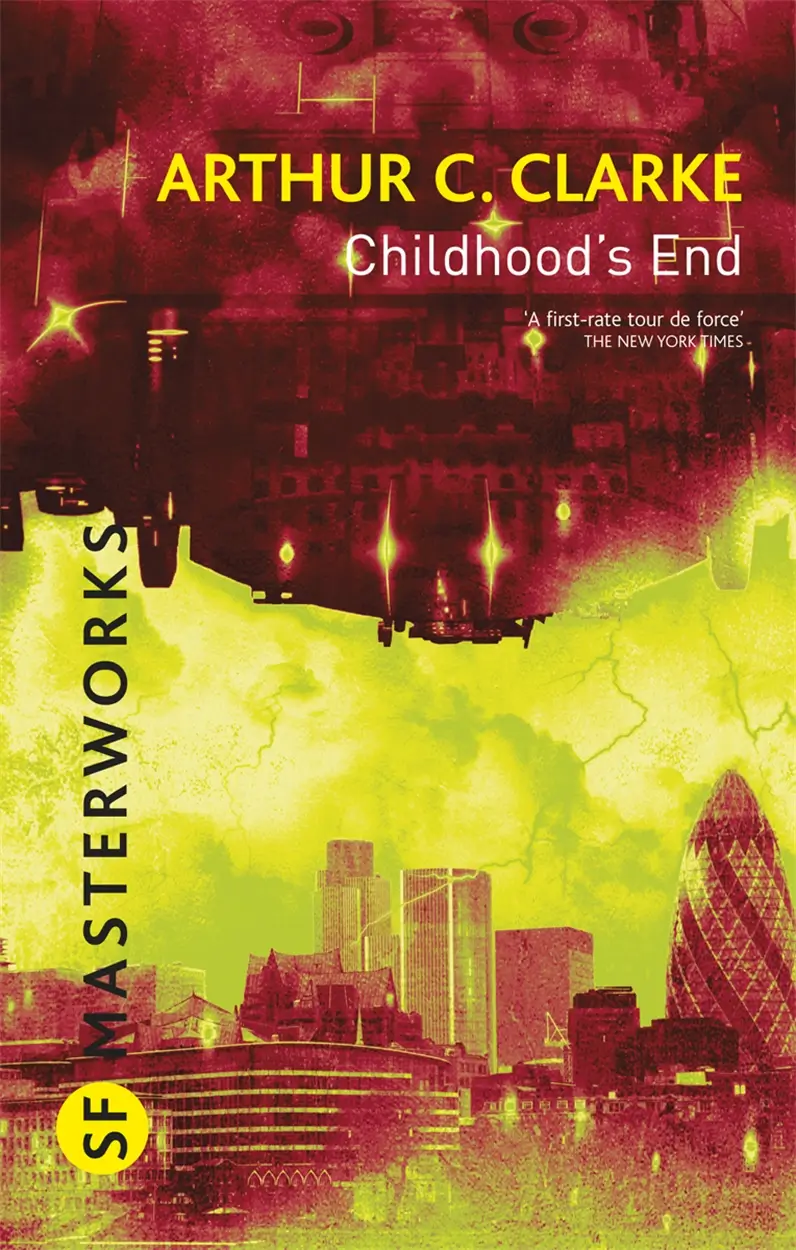
Childhood’s End
by Arthur C. Clarke
The Overlords appeared suddenly over every city—intellectually, technologically, and militarily superior to humankind. Benevolent, they made few demands: unify earth, eliminate poverty, and end war. With little rebellion, humankind agreed, and a golden age began.
But at what cost? With the advent of peace, man ceases to strive for creative greatness, and a malaise settles over the human race. To those who resist, it becomes evident that the Overlords have an agenda of their own. As civilization approaches the crossroads, will the Overlords spell the end for humankind . . . or the beginning?
Goodreads: 4.12
Rated 4.12 out of 5
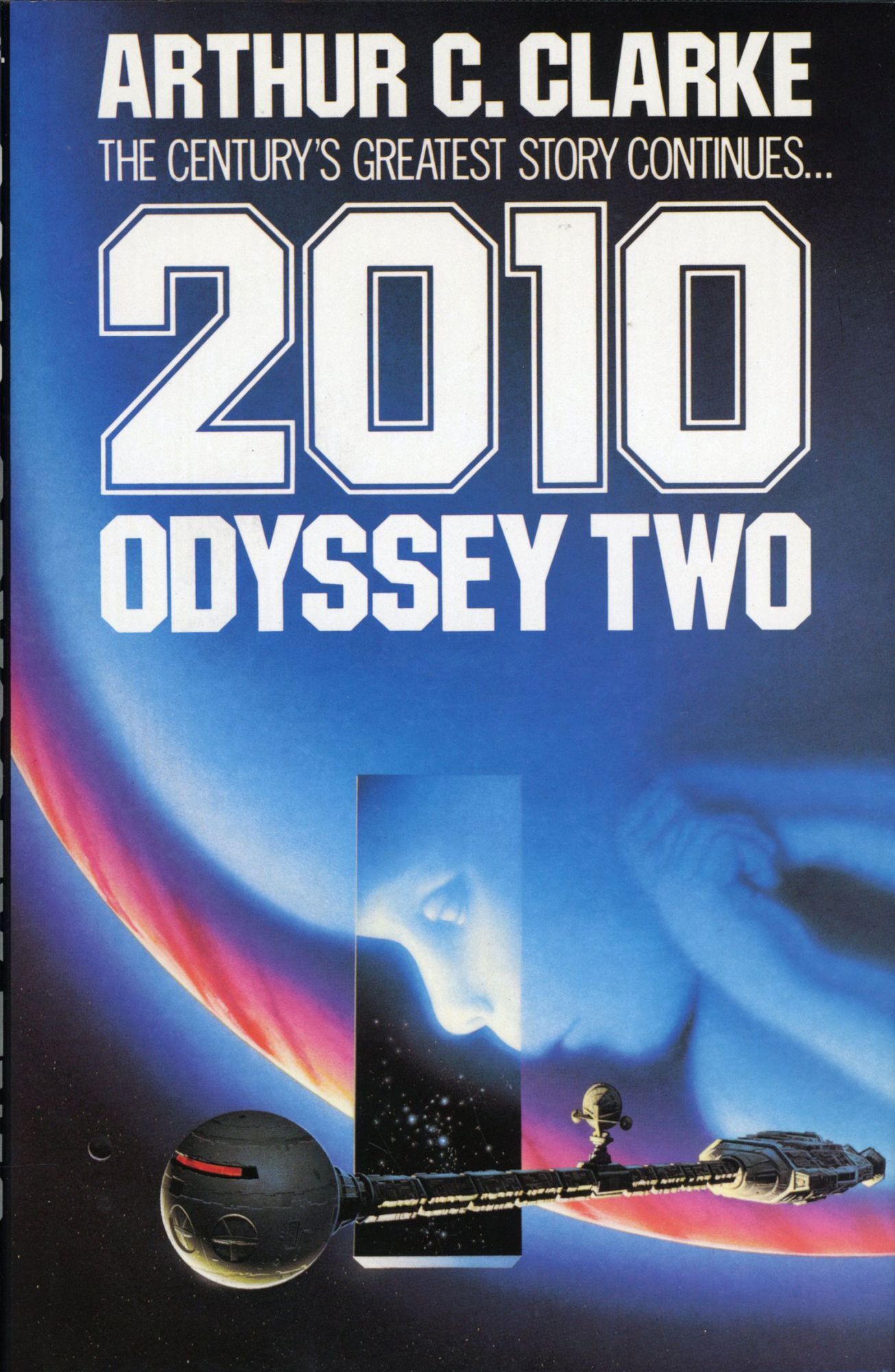
2010: Odyssey Two
by Arthur C. Clarke
Space Odyssey
(Book 2)
Nine years after the Discovery mission vanished near Jupiter, a joint American-Soviet crew sets out to discover what went wrong, and to confront the mystery of the giant monolith. The race against time and politics sees the crew come face to face with HAL’s legacy and an astonishing transformation in the Jovian system. A smart, rewarding follow-up to the original, with big ideas and human tension.
Goodreads: 3.96
Rated 3.96 out of 5
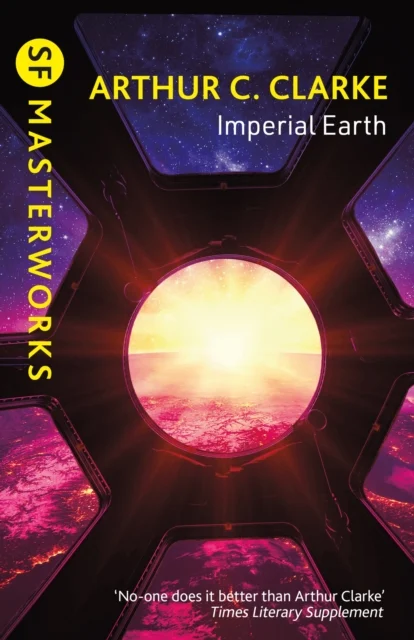
Imperial Earth
by Arthur C. Clarke
Imperial Earth is the fascinating odyssey of Duncan Makenzie, traveling from Titan, a moon of Saturn, to Earth, as a diplomatic guest of the United States for the celebration of its Quincentennial in the year 2276. Titan, an independent republic, was originally colonized from Earth three generations earlier. Duncan’s initial challenge is to prepare, physically and intellectually, for the 500-million-mile trip to Earth. Once there, he is caught up in a sweep of new experiences, including the social and political whirl in Washington, a strange visit to a carefully preserved ancient city once prominent in the 20th century, and a search for and meeting with a woman he loved since she visited Titan years before.
Goodreads: 3.74
Rated 3.74 out of 5
Rendezvous with Rama
by Arthur C. Clarke
Rama
(Book 1)
At first, only a few things are known about the celestial object that astronomers dub Rama. It is huge, weighing more than ten trillion tons. And it is hurtling through the solar system at an inconceivable speed. Then a space probe confirms the unthinkable: Rama is no natural object. It is, incredibly, an interstellar spacecraft. Space explorers and planet-bound scientists alike prepare for mankind’s first encounter with alien intelligence. It will kindle their wildest dreams… and fan their darkest fears. For no one knows who the Ramans are or why they have come. And now the moment of rendezvous awaits — just behind a Raman airlock door.
Goodreads: 4.12
Rated 4.12 out of 5
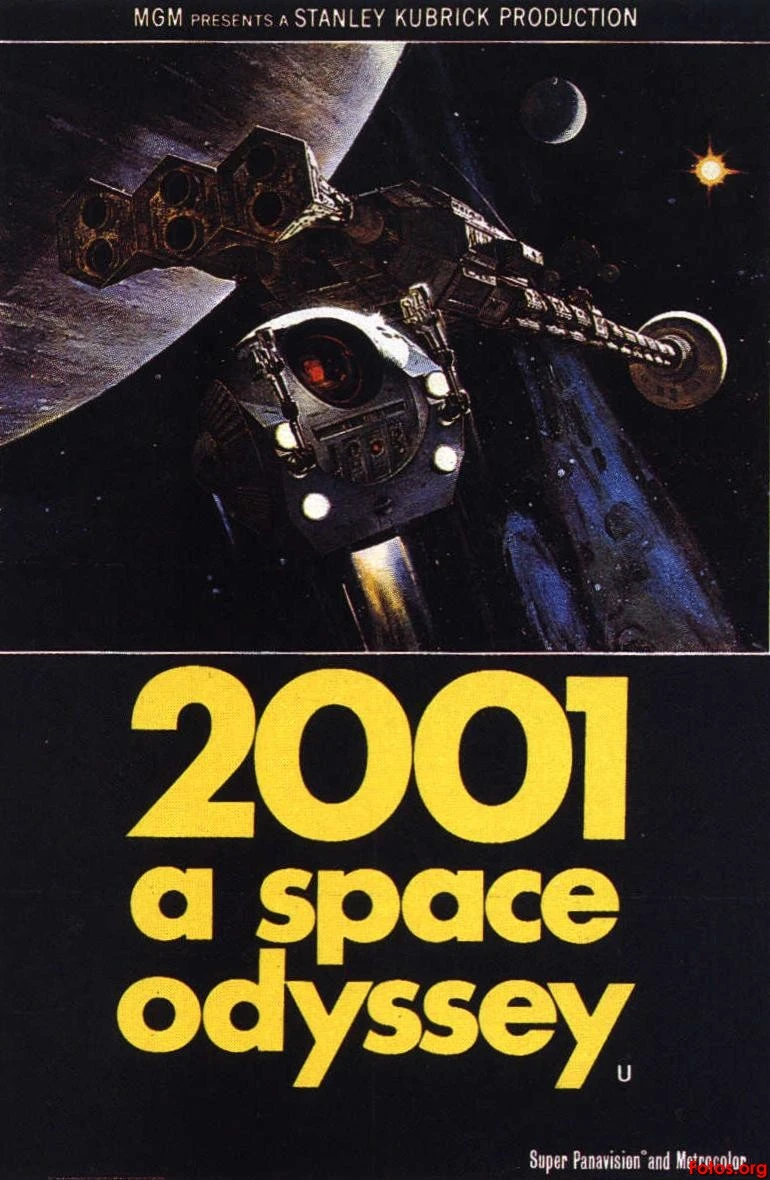
2001: A Space Odyssey
by Arthur C. Clarke
Space Odyssey
(Book 1)
On the Moon, an enigma is uncovered.
So great are the implications of this discovery that for the first time men are sent out deep into our solar system.
But long before their destination is reached, things begin to go horribly, inexplicably wrong…
One of the greatest-selling science fiction novels of our time, this classic book will grip you to the very end.
Goodreads: 4.18
Rated 4.18 out of 5
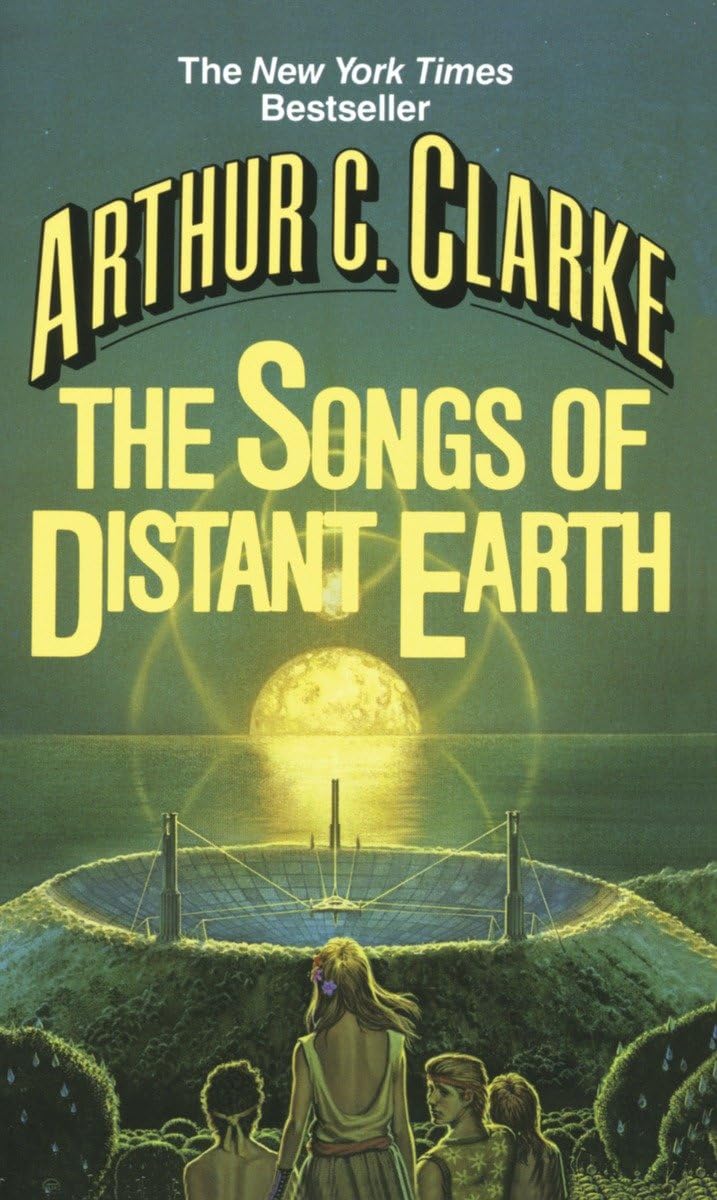
The Songs of Distant Earth
by Arthur C. Clarke
Just a few islands in a planetwide ocean, Thalassa was a veritable paradise—home to one of the small colonies founded centuries before by robot Mother Ships when the Sun had gone nova and mankind had fled Earth.
Mesmerized by the beauty of Thalassa and overwhelmed by its vast resources, the colonists lived an idyllic existence, unaware of the monumental evolutionary event slowly taking place beneath their seas…
Then the Magellan arrived in orbit carrying one million refugees from the last, mad days on Earth. And suddenly uncertainty and change had come to the placid paradise that was Thalassa.
Goodreads: 3.91
Rated 3.91 out of 5
The Sands of Mars
by Arthur C. Clarke
Space writers holiday. When a celebrated science fiction writer takes to space on his first trip to Mars, he’s sure to be in for some heckling from the spaceship crew. But Martin Gibson, man about space, takes it all in his stride. That is, until he lands on the red planet. Once there the intrepid author causes one problem after another as he stumbles upon Mars’s most carefully hidden secrets and threatens the future of an entire planet!
Goodreads: 3.77
Rated 3.77 out of 5
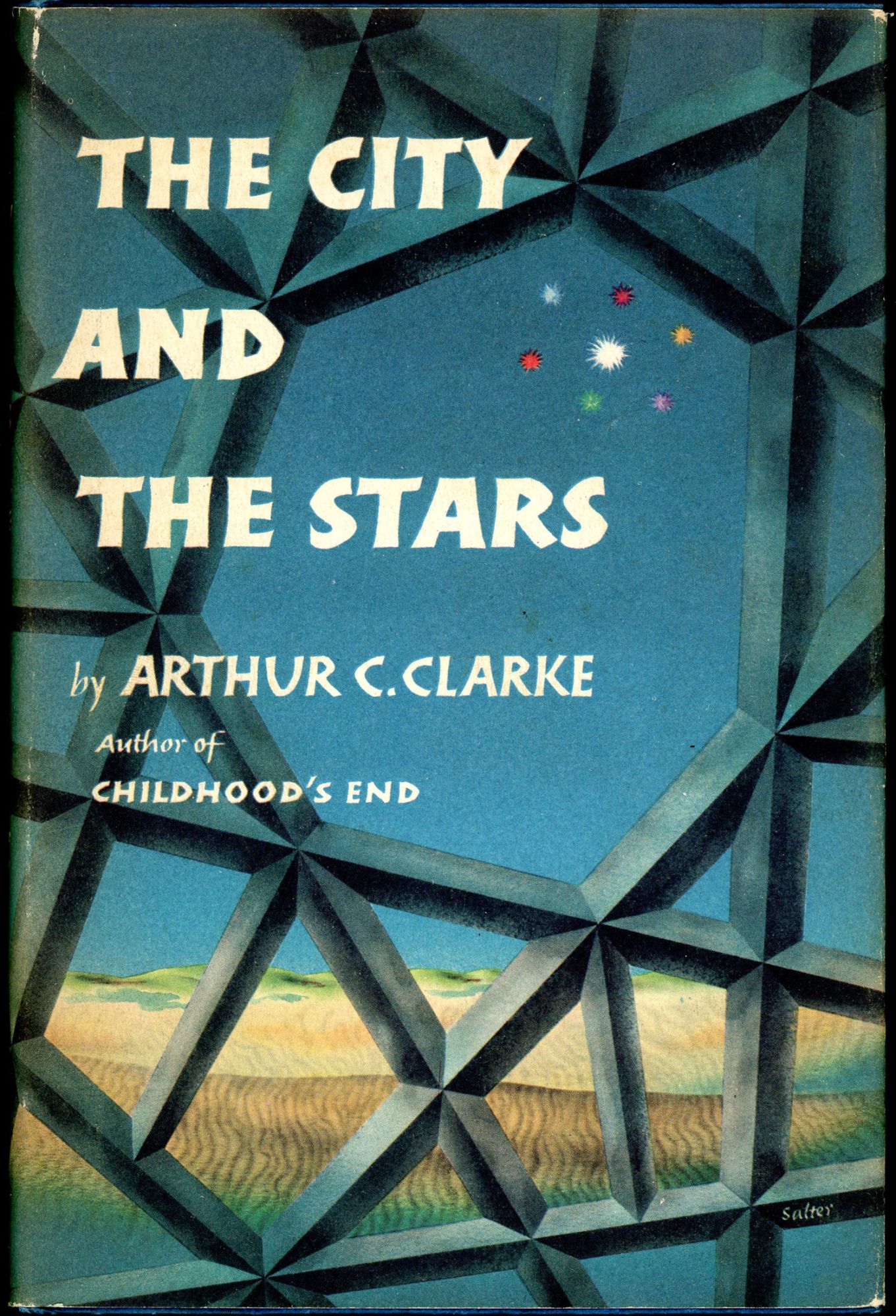
The City and the Stars
by Arthur C. Clarke
A billion years from now, humanity lives in Diaspar, a perfect, enclosed city where nothing changes and nobody dies. Alvin, a young man born without a past, is restless and curious about the world beyond the walls. His quest for the truth leads across deserts, to strange societies and finally to the stars, revealing humanity’s forgotten history. It is a luminous, melancholy vision of the far future.
Goodreads: 4.07
Rated 4.07 out of 5
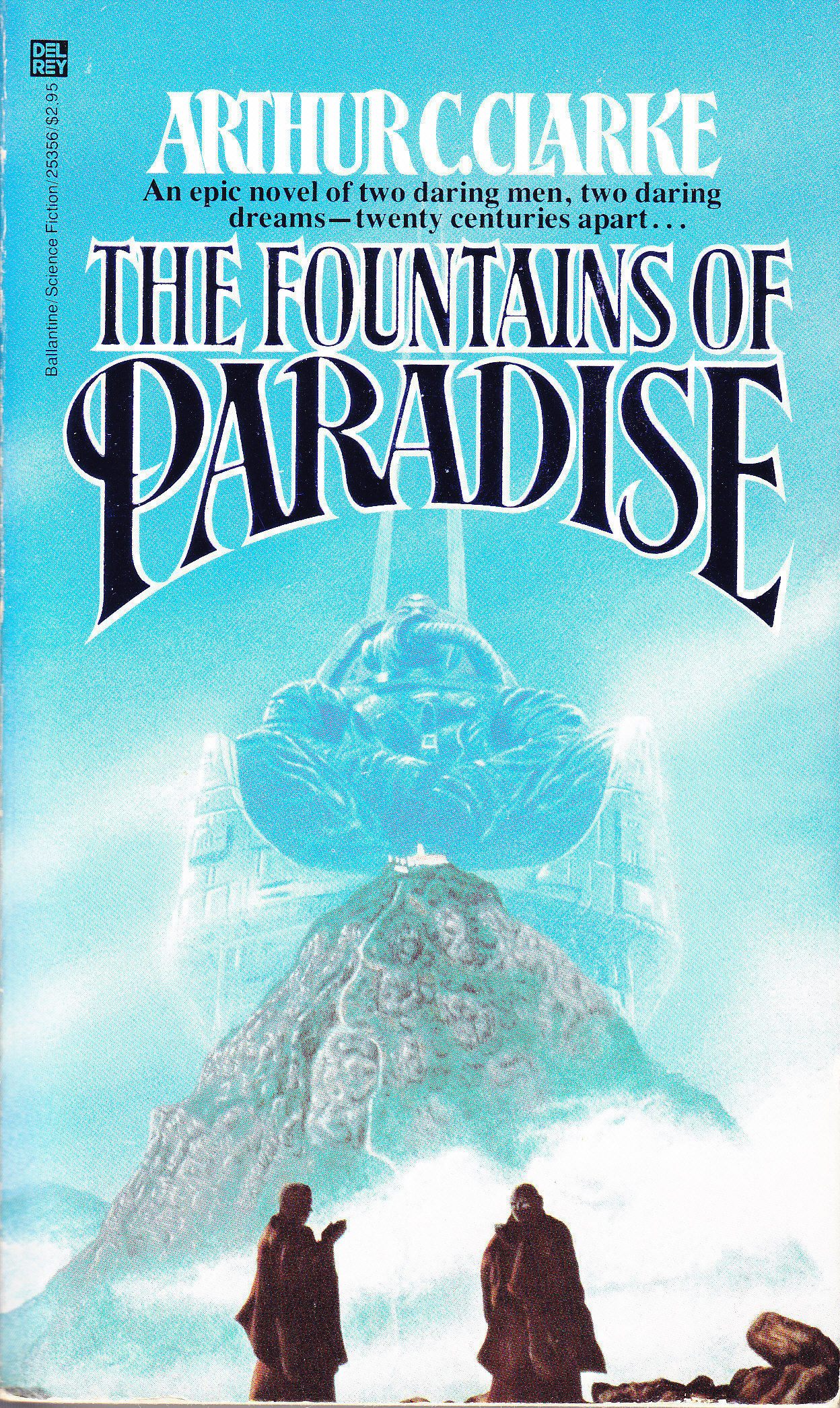
The Fountains of Paradise
by Arthur C. Clarke
Engineer Vannevar Morgan dreams of building a colossal elevator that reaches from the equator of Taprobane, a fictional island, up to a station in orbit. Standing in his way are rival ambitions, mountainous engineering problems and a sacred monastery on the ideal site. Clarke weaves ancient kings, human stubbornness and visionary science into a calm, awe-filled story that helped popularise the space elevator.