No Thought Is Safe: 8 Sci-Fi Books About Telepathy and the Minds That Wield It
What happens to crime, love and politics when thoughts are no longer private? These eight novels treat psychic talent as a real force in society, from murder trials to mind-linked twins and the first whispers of something larger.
Facebook
Twitter
WhatsApp
Email
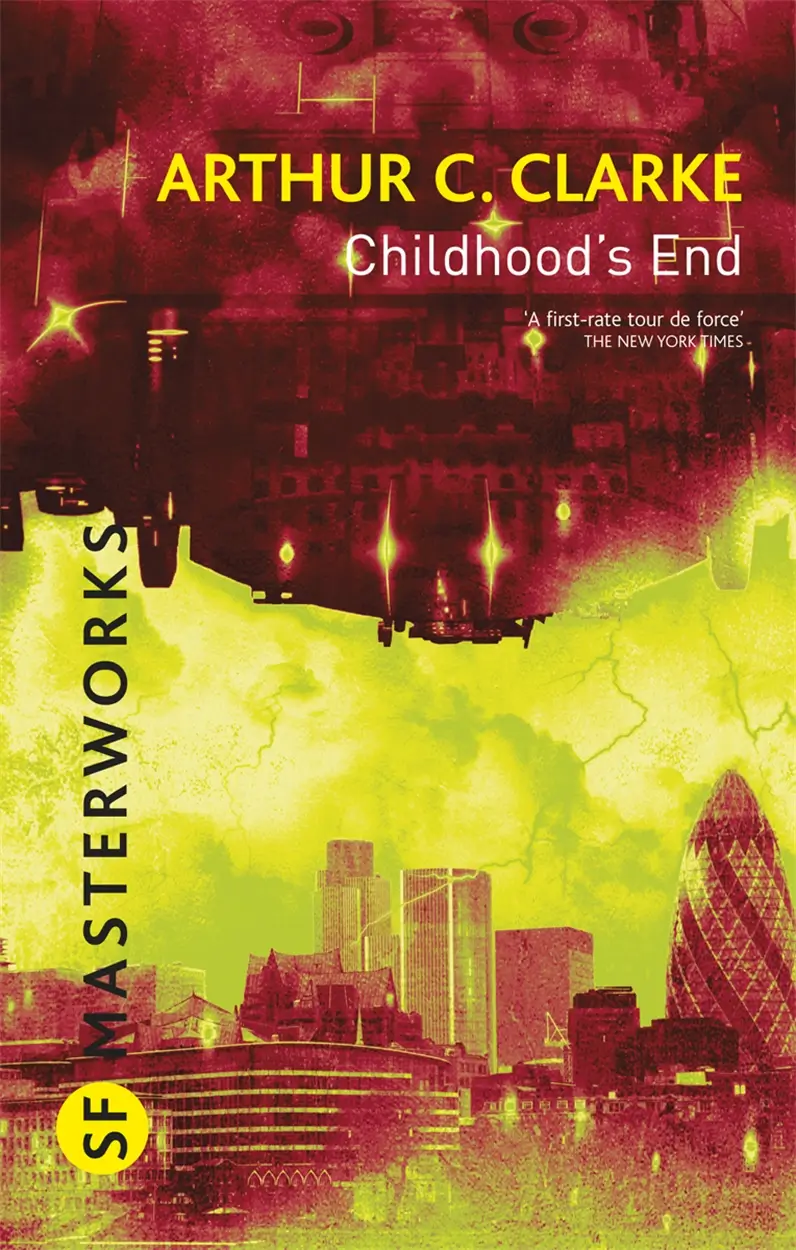
Childhood’s End
by Arthur C. Clarke
The Overlords appeared suddenly over every city—intellectually, technologically, and militarily superior to humankind. Benevolent, they made few demands: unify earth, eliminate poverty, and end war. With little rebellion, humankind agreed, and a golden age began.
But at what cost? With the advent of peace, man ceases to strive for creative greatness, and a malaise settles over the human race. To those who resist, it becomes evident that the Overlords have an agenda of their own. As civilization approaches the crossroads, will the Overlords spell the end for humankind . . . or the beginning?
Goodreads: 4.12
Rated 4.12 out of 5
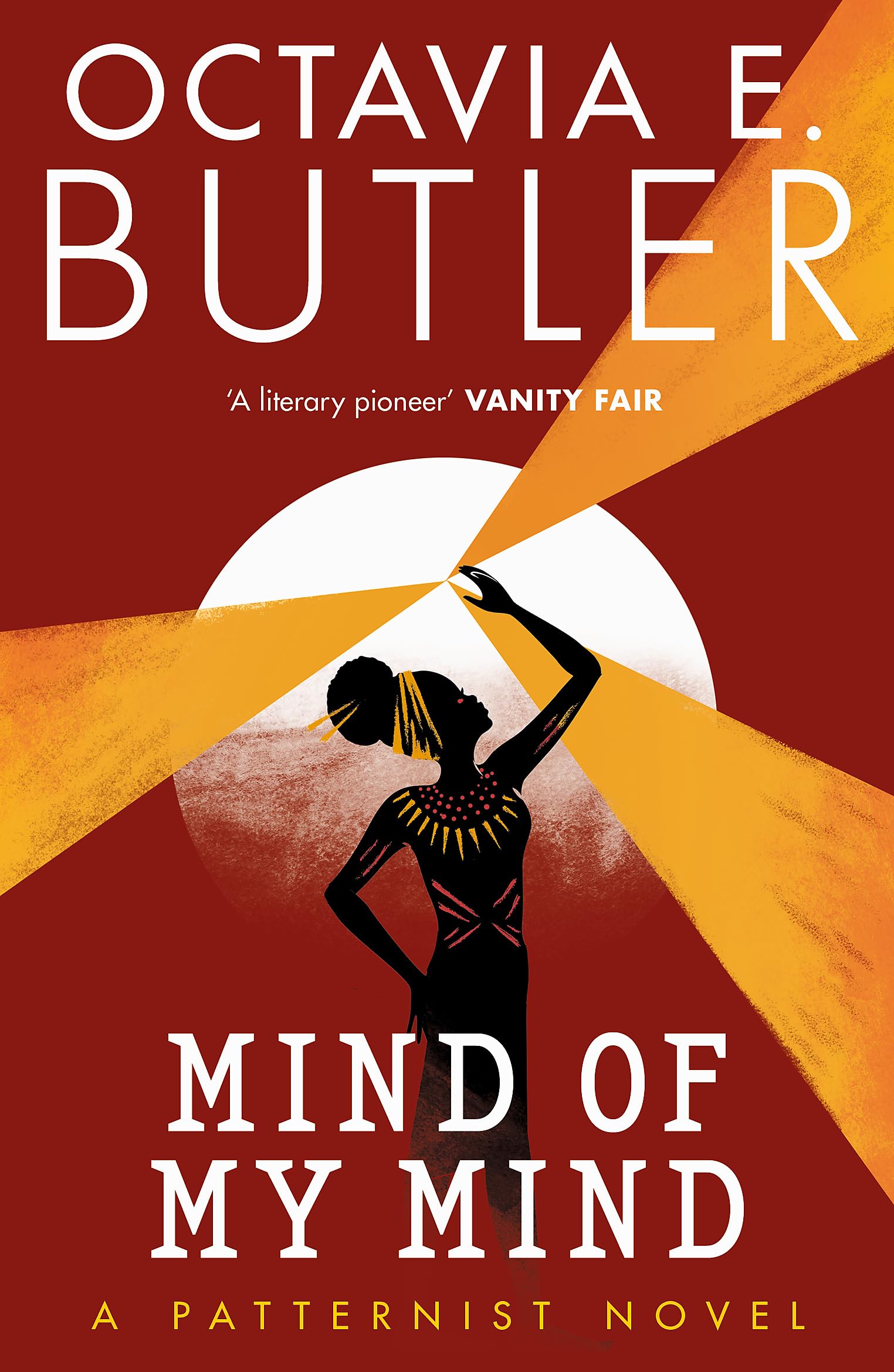
Mind of My Mind
by Octavia E. Butler
Patternist
(Book 2)
Mary is a young woman whose telepathic gift is overwhelming her, and she belongs to a long-lived manipulator’s breeding scheme for powerful minds. Rather than remain a pawn, she begins linking other telepaths into a single network that she can draw strength from and answer to. Butler examines the price of power, the pull of belonging and the way a community can turn into a single organism.
Goodreads: 4.19
Rated 4.19 out of 5
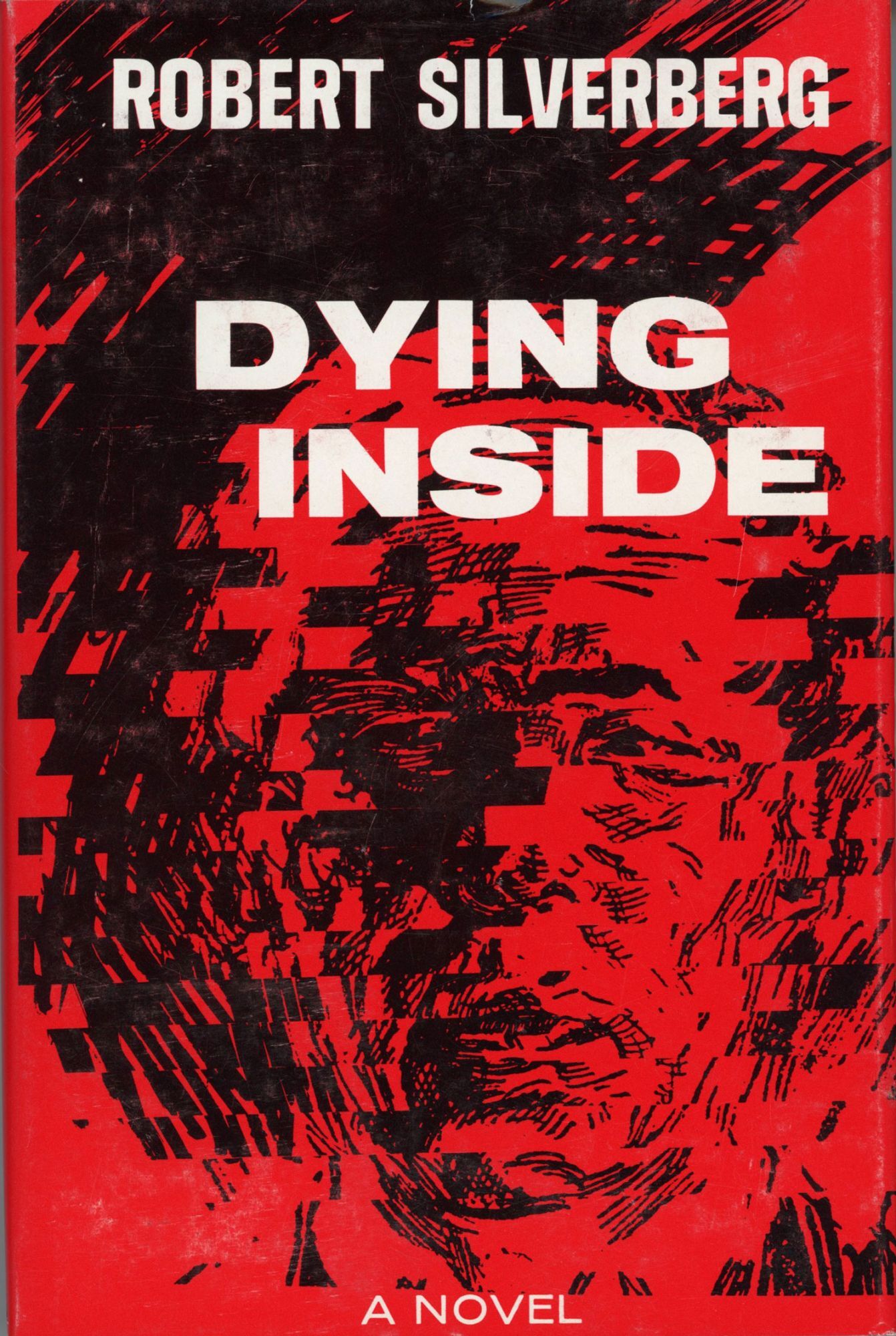
Dying Inside
by Robert Silverberg
David Selig has always been able to read the minds of those around him, but the gift has brought him loneliness rather than power. Now in middle age, he finds it fading. Silverberg’s sharp, melancholy character study uses telepathy to explore alienation, intimacy and the fear of losing the one thing that makes you different.
Goodreads: 3.81
Rated 3.81 out of 5
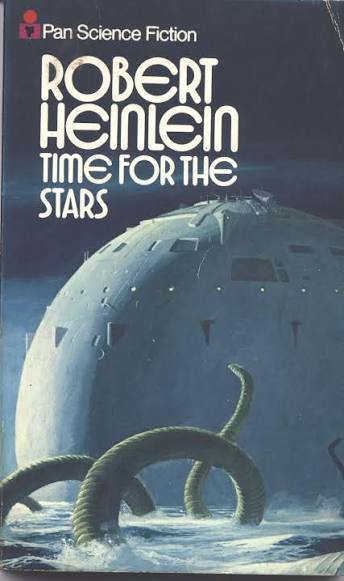
Time for the Stars
by Robert A. Heinlein
Heinlein Juveniles
(Book 1)
Telepathic twins are recruited for a ship that will search the galaxy for habitable worlds, with one twin staying at home and the other flying away. Because the voyagers speak across space by thought alone, they can follow the effects of relativity in real time. One twin stays young while the other grows old, and the family left behind keeps ageing on Earth.
Goodreads: 3.99
Rated 3.99 out of 5
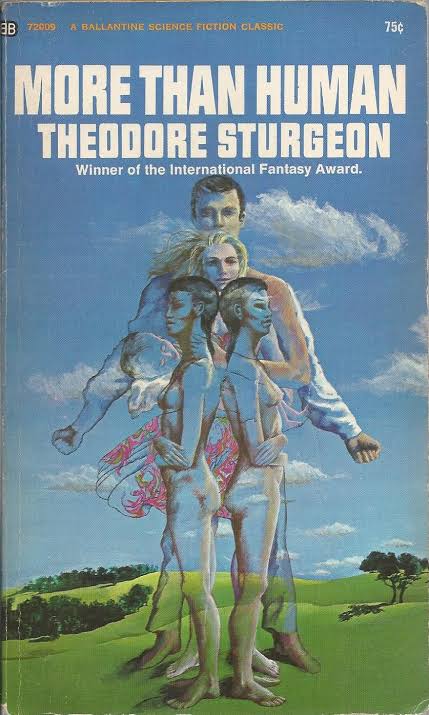
More Than Human
by Theodore Sturgeon
A handful of damaged, isolated misfits discover that their strange abilities, telepathy among them, work best when they join together. Sturgeon follows each of them as they find one another and form a single living organism of minds. It’s a tender, strange and lyrical Golden Age classic about belonging, and about what comes next for humanity.
Goodreads: 3.93
Rated 3.93 out of 5
Ubik
by Philip K. Dick
Glen Runciter runs a lucrative business—deploying his teams of anti-psychics to corporate clients who want privacy and security from psychic spies. But when he and his top team are ambushed by a rival, he is gravely injured and placed in “half-life,” a dreamlike state of suspended animation. Soon, though, the surviving members of the team begin experiencing some strange phenomena, such as Runciter’s face appearing on coins and the world seeming to move backward in time. As consumables deteriorate and technology gets ever more primitive, the group needs to find out what is causing the shifts and what a mysterious product called Ubik has to do with it all.
Goodreads: 4.11
Rated 4.11 out of 5
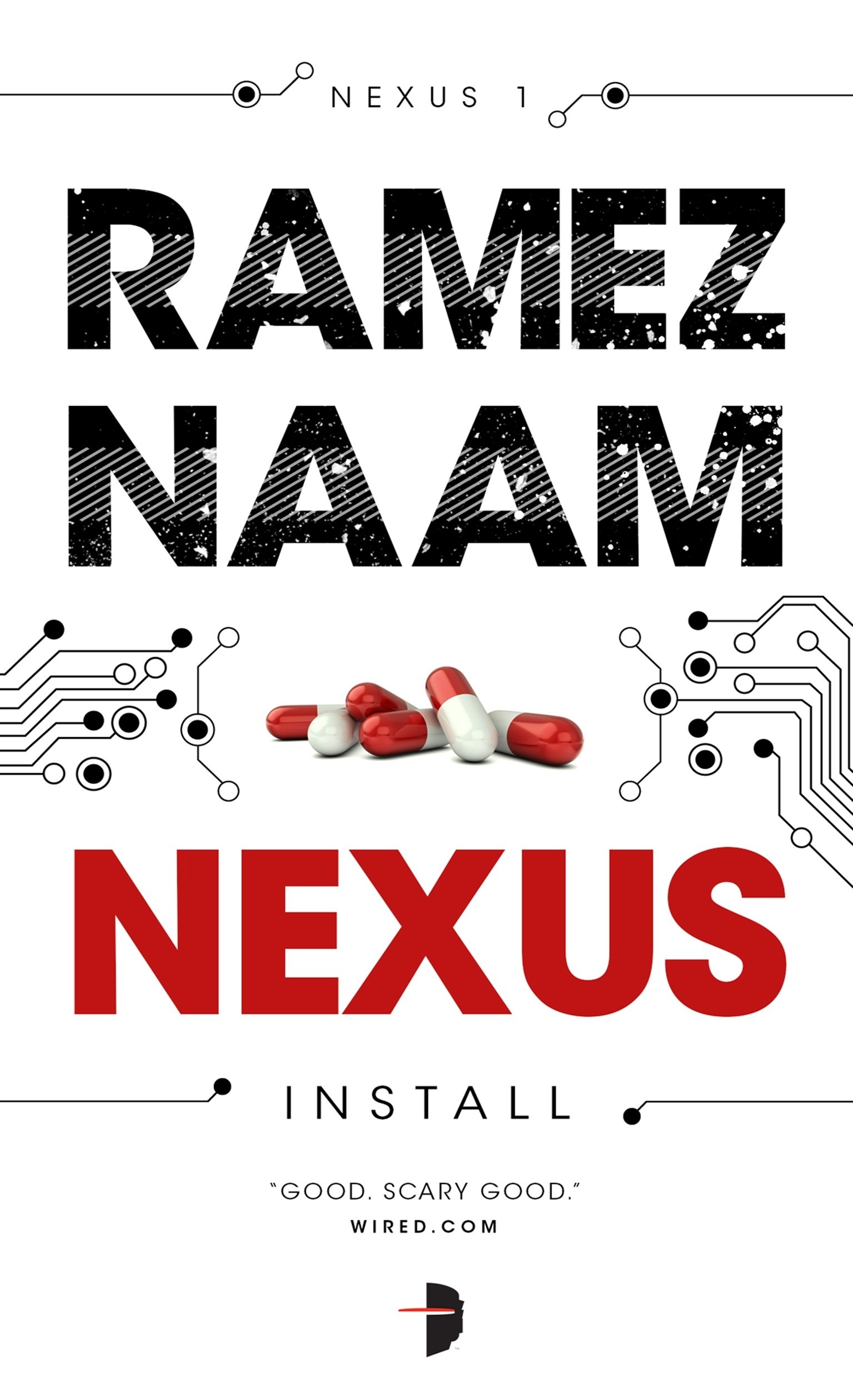
Nexus
by Ramez Naam
Nexus
(Book 1)
Mankind gets an upgrade
In the near future, the experimental nano-drug Nexus can link humans together, mind to mind. There are some who want to improve it. There are some who want to eradicate it. And there are others who just want to exploit it.
When a young scientist is caught improving Nexus, he’s thrust over his head into a world of danger and international espionage – for there is far more at stake than anyone realizes.
From the halls of academe to the halls of power, from the headquarters of an elite US agency in Washington DC to a secret lab beneath a top university in Shanghai, from the underground parties of San Francisco to the illegal biotech markets of Bangkok, from an international neuroscience conference to a remote monastery in the mountains of Thailand – Nexus is a thrill ride through a future on the brink of explosion.
Goodreads: 4.04
Rated 4.04 out of 5
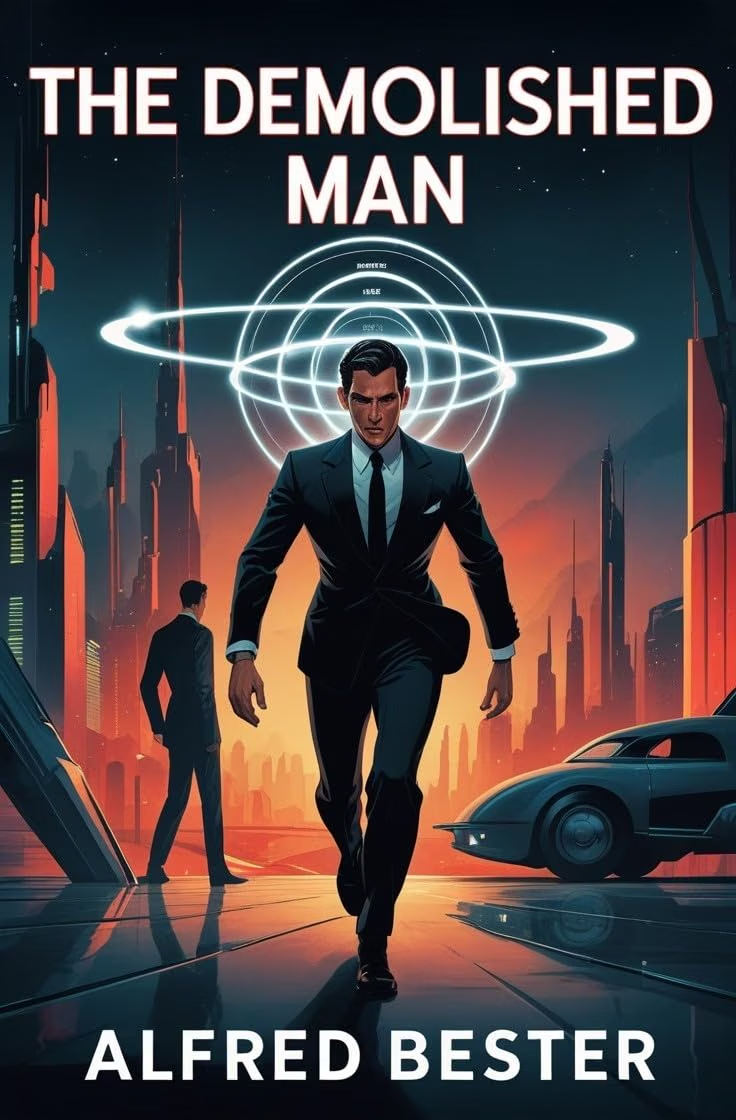
The Demolished Man
by Alfred Bester
In a 24th-century society where telepaths can read minds, murder should be impossible. Wealthy businessman Ben Reich is determined to prove otherwise, and Detective Lincoln Powell is just as determined to stop him. Bester’s 1953 thriller flips the crime story, shows us the killer’s plan from the start, and dazzles with typographic experiments, sharp pacing and a fascinating vision of a mind-reading world.