Fairy Tales with Teeth: 10 Dark Fantasy Novels of Folklore, Frost and Forest Bargains
Before the tales were softened, they bit. These ten fantasy novels rediscover that edge, weaving cruel bargains, wolf-haunted woods and stories where every wish comes with a bill.
Facebook
Twitter
WhatsApp
Email
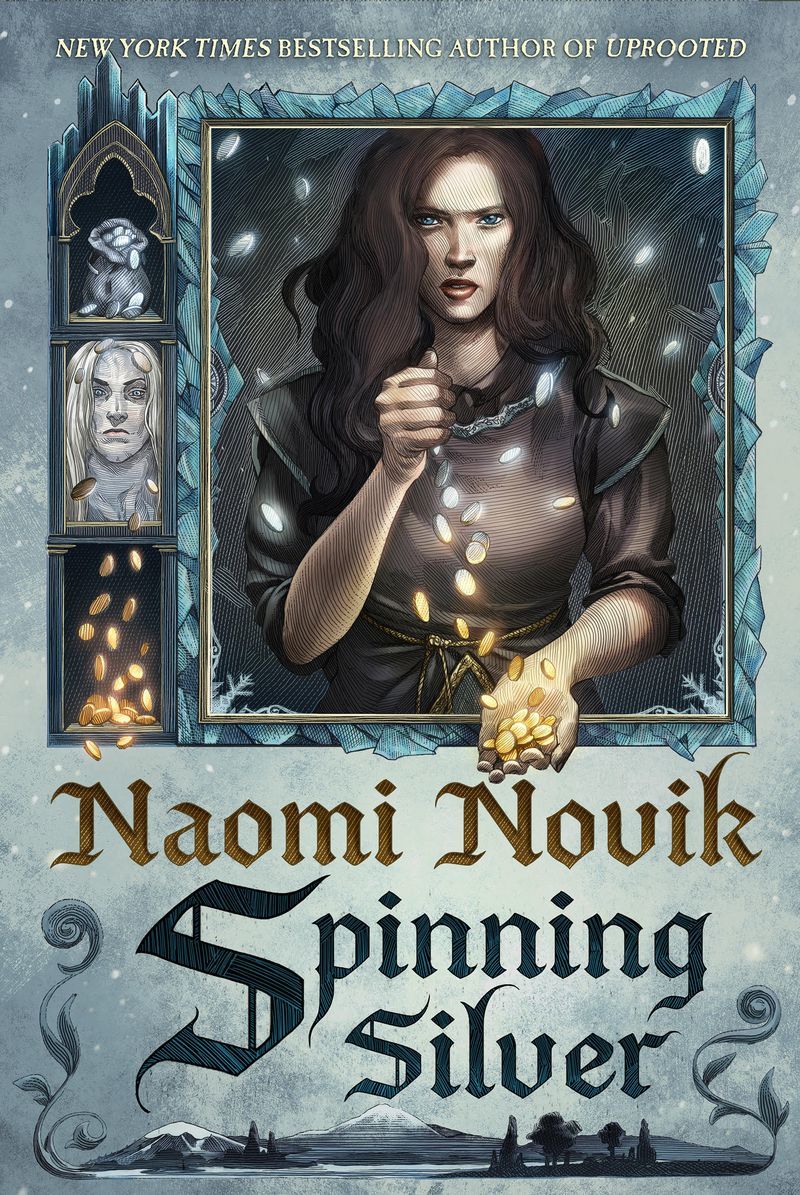
Spinning Silver
by Naomi Novik
Inspired by Rumpelstiltskin, this novel follows Miryem, a moneylender’s daughter who boasts she can turn silver into gold, and is taken at her word by the icy king of the Staryk. Around her, two other young women are drawn into the tangle of bargains, tsars and winter magic. Rich with Eastern European folklore, it is clever, wintry and full of women taking command of their own fates.
Goodreads: 4.17
Rated 4.17 out of 5
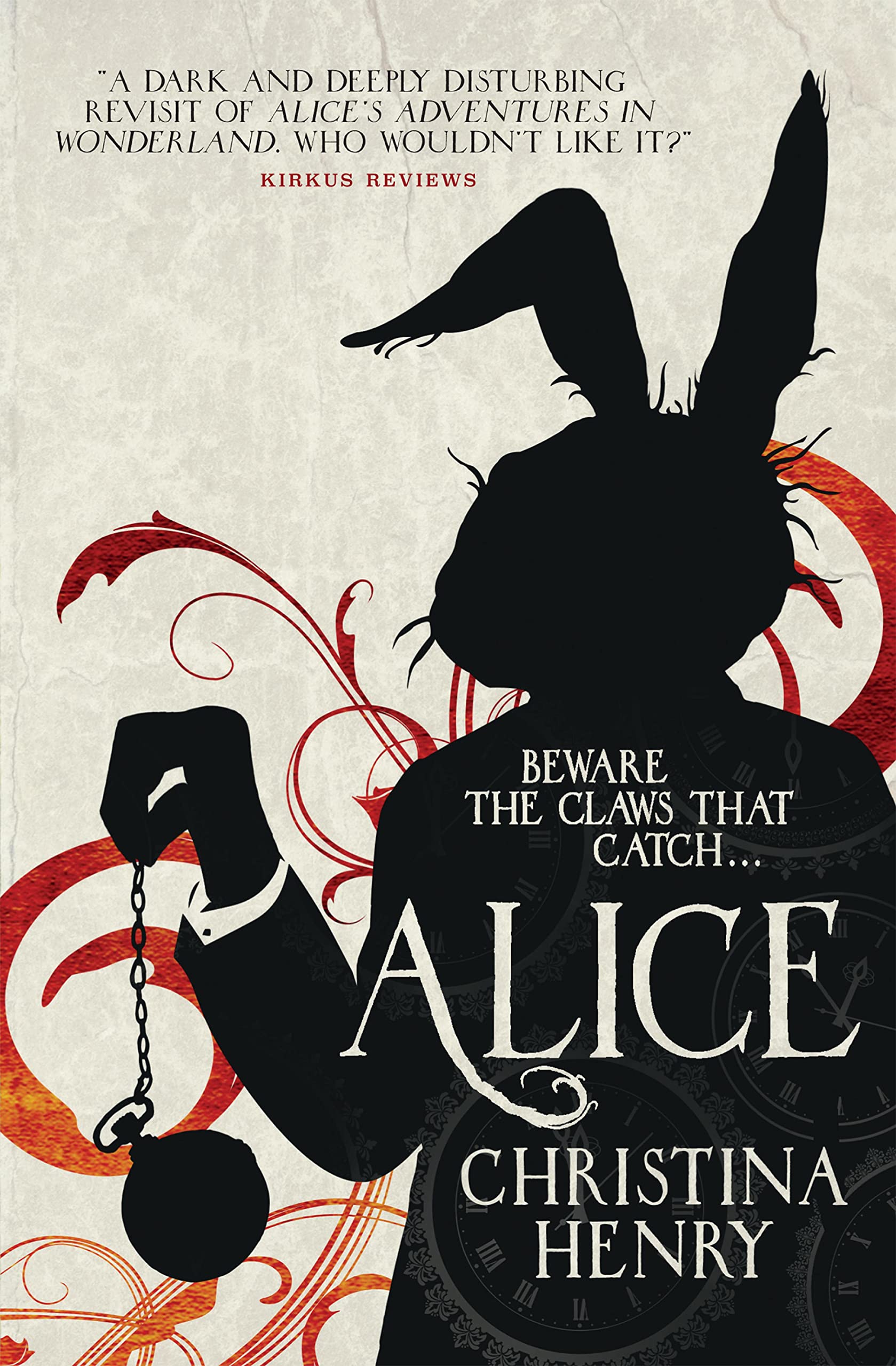
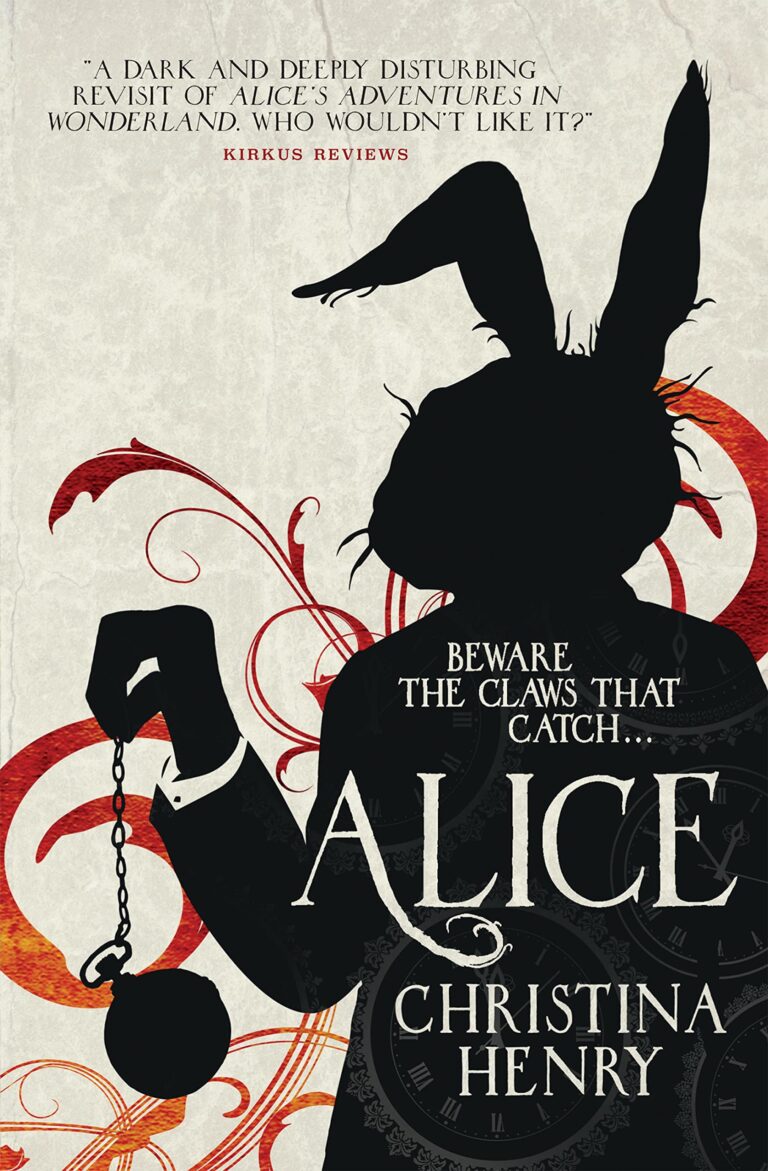
Alice
by Christina Henry
Chronicles of Alice
(Book 1)
Years after a fire, a young woman is held in a grim asylum, her memories of a rabbit-eyed man and a place called Wonderland scrambled and half lost. When a break-out lets something monstrous loose, she must follow the splintered clues back through the filthy city of Old Town. It is a bleak, violent retelling that turns Carroll’s whimsy into nightmare.
Goodreads: 3.76
Rated 3.76 out of 5
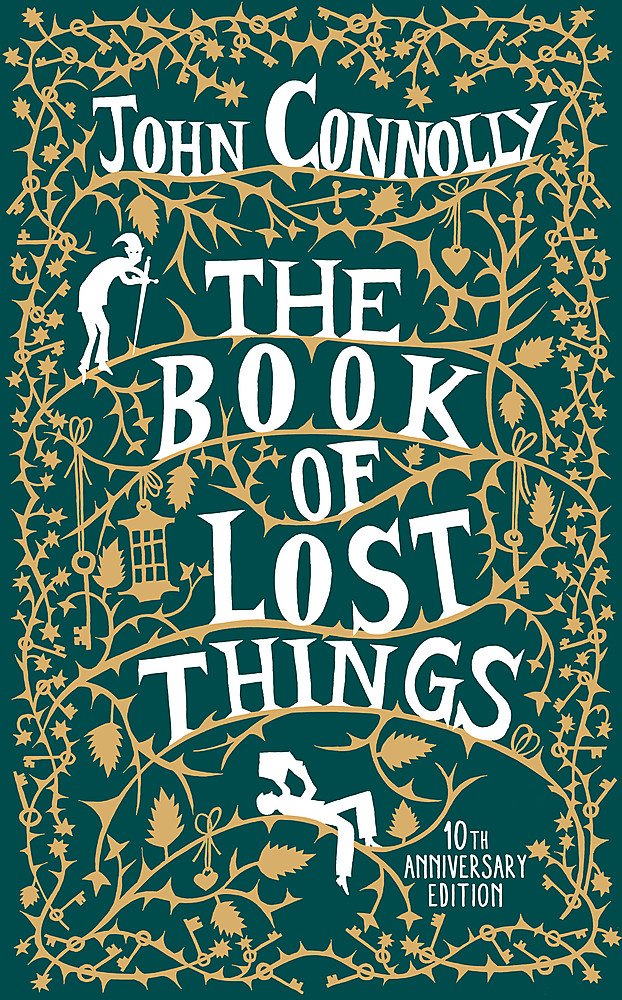
The Book of Lost Things
by John Connolly
In wartime Britain, David is twelve and grieving his mother, resentful of his new stepmother and half-brother, and comforted only by books. When he stumbles through a gap in the garden wall, he enters a dark realm woven from twisted fairy tales, where wolves, woodcutters and a sinister Crooked Man wait. A shadowy, literate fantasy about growing up, guilt and the pain of bereavement.
Goodreads: 3.96
Rated 3.96 out of 5
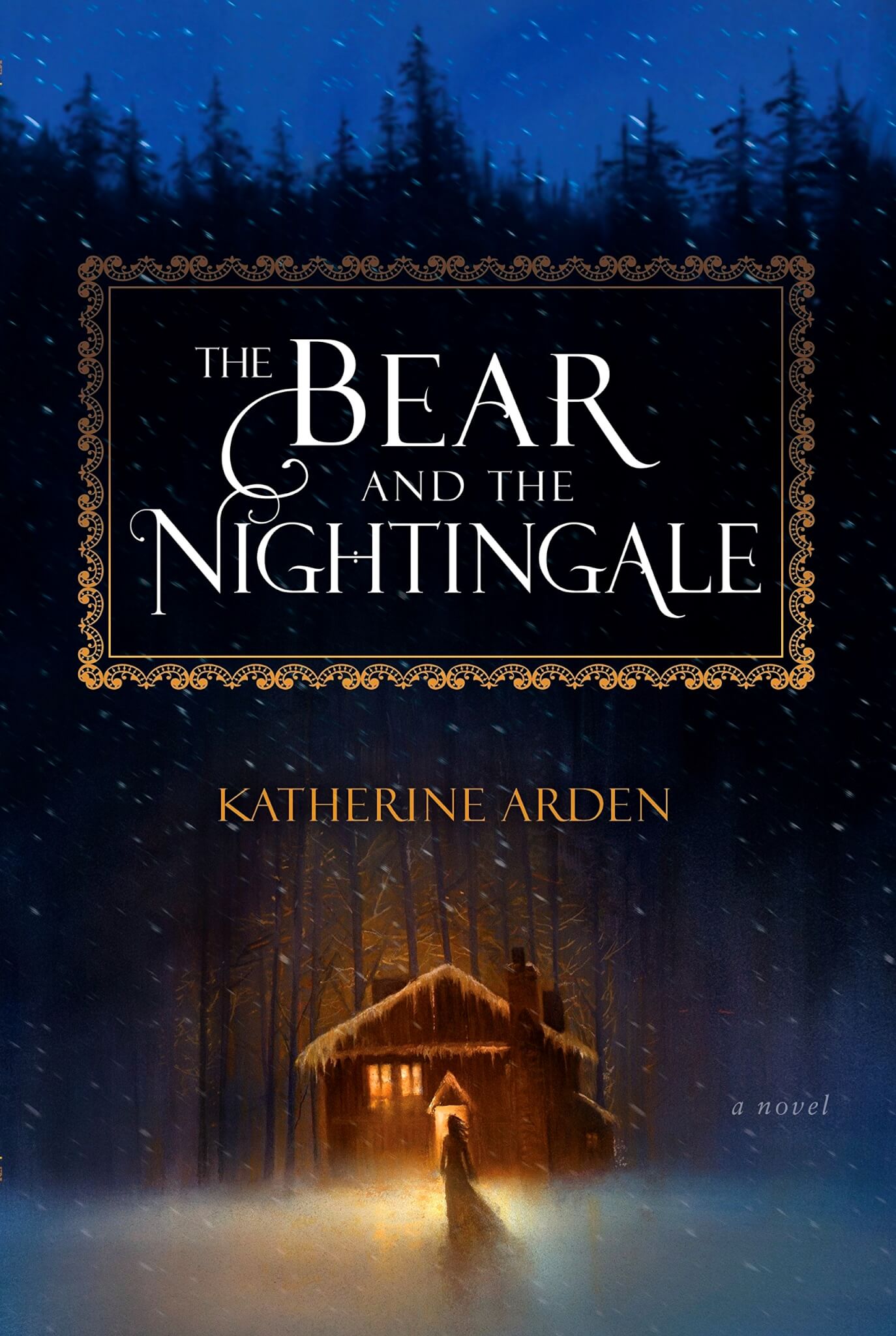
The Bear and the Nightingale
by Katherine Arden
Winternight Trilogy
(Book 1)
Winter lasts most of the year at the edge of the Russian wilderness, and in the long nights, Vasilisa and her siblings love to gather by the fire to listen to their nurse’s fairy tales. Above all, Vasya loves the story of Frost, the blue-eyed winter demon. Wise Russians fear him, for he claims unwary souls, and they honor the spirits that protect their homes from evil.
Then Vasya’s widowed father brings home a new wife from Moscow. Fiercely devout, Vasya’s stepmother forbids her family from honoring their household spirits, but Vasya fears what this may bring. And indeed, misfortune begins to stalk the village.
But Vasya’s stepmother only grows harsher, determined to remake the village to her liking and to groom her rebellious stepdaughter for marriage or a convent. As the village’s defenses weaken and evil from the forest creeps nearer, Vasilisa must call upon dangerous gifts she has long concealed—to protect her family from a threat sprung to life from her nurse’s most frightening tales.
Goodreads: 4.08
Rated 4.08 out of 5
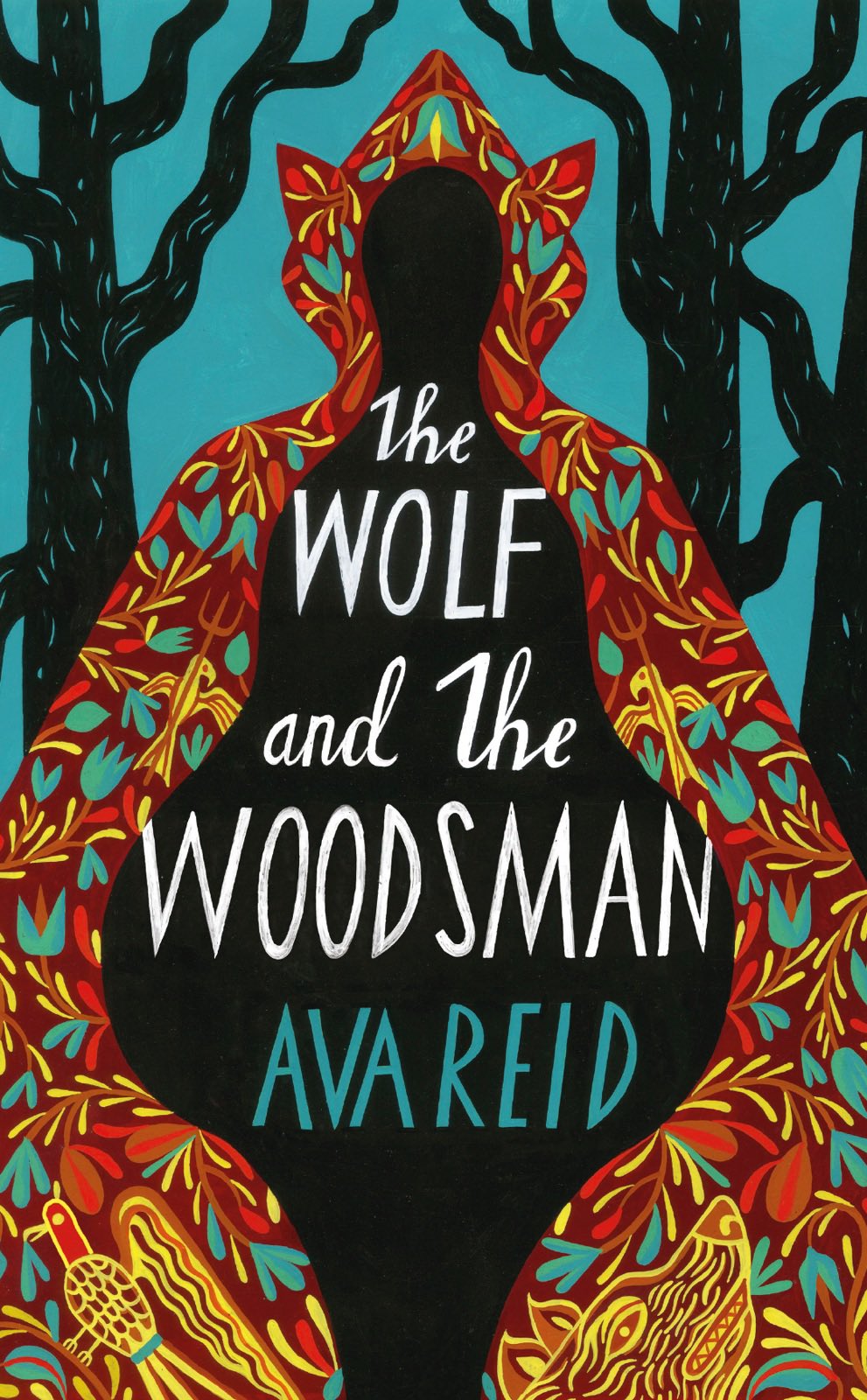
The Wolf and the Woodsman
by Ava Reid
The Wolf and the Woodsman
(Book 1)
Évike, a mute pagan girl with no magic in a village of gifted women, is dragged from her home by the soldiers of the Holy Empire. Her captor is the empire’s brutal Woodsman, yet the pair share a secret bound up with the wolf-kings of the forest. Inspired by Hungarian and Slavic myth, it is a bleak, lyrical tale of faith, prejudice and survival.
Goodreads: 3.49
Rated 3.49 out of 5
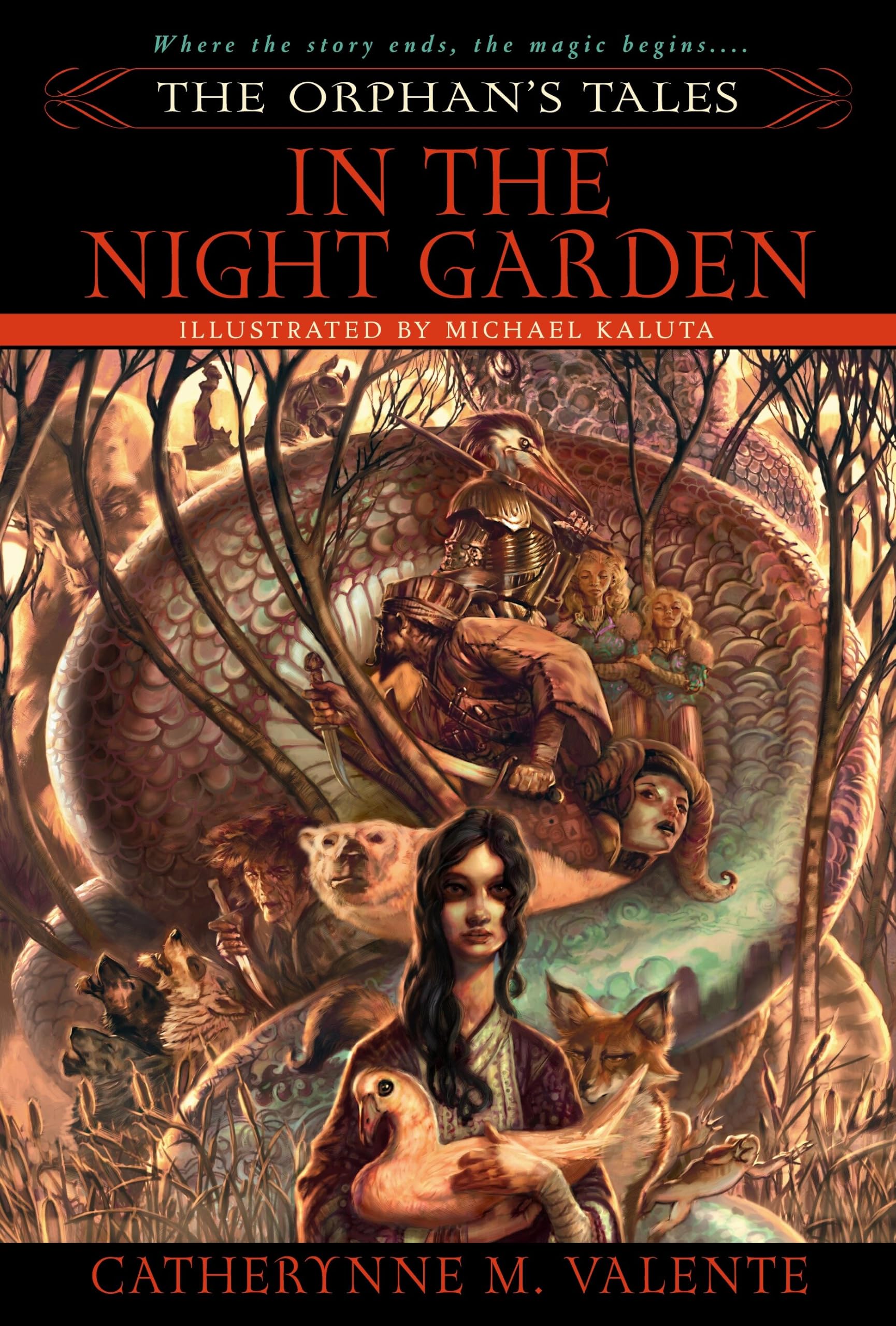
In the Night Garden
by Catherynne M. Valente
The Orphan’s Tales
(Book 1)
A lonely boy in a palace garden meets a girl with a strange inked pattern on her eyelids, and she begins to tell him stories. Each tale opens into another: sorcerers, shapeshifters, cursed kings, monstrous mothers and clever girls. Valente’s nested folklore is ornate, savage and strangely tender, a labyrinth of invented fables that feel ancient and never flinch from cruelty.
Goodreads: 4.906
Rated 4.906 out of 5
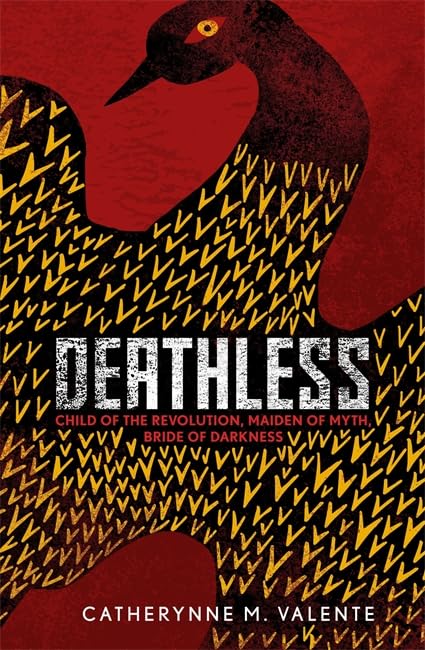
Deathless
by Catherynne M. Valente
Young Marya Morevna watches birds land on her family’s windowsill as the Russian Revolution looms, then is carried away by Koschei the Deathless, ruler of a Russian fairy-tale realm. Her marriage to him and her fraught allegiance to the Tsar of Life pull her between the magical and the mortal, from Leningrad’s hungry streets to the siege of the war years. Dense, lyrical and darkly funny.
Goodreads: 3.92
Rated 3.92 out of 5
Nettle and Bone
by T. Kingfisher
After years of seeing her sisters suffer at the hands of an abusive prince, Marra—the shy, convent-raised, third-born daughter—has finally realized that no one is coming to their rescue. No one, except for Marra herself.
Seeking help from a powerful gravewitch, Marra is offered the tools to kill a prince—if she can complete three impossible tasks. But, as is the way in tales of princes, witches, and daughters, the impossible is only the beginning.
On her quest, Marra is joined by the gravewitch, a reluctant fairy godmother, a strapping former knight, and a chicken possessed by a demon. Together, the five of them intend to be the hand that closes around the throat of the prince and frees Marra’s family and their kingdom from its tyrannous ruler at last.
Goodreads: 4.06
Rated 4.06 out of 5
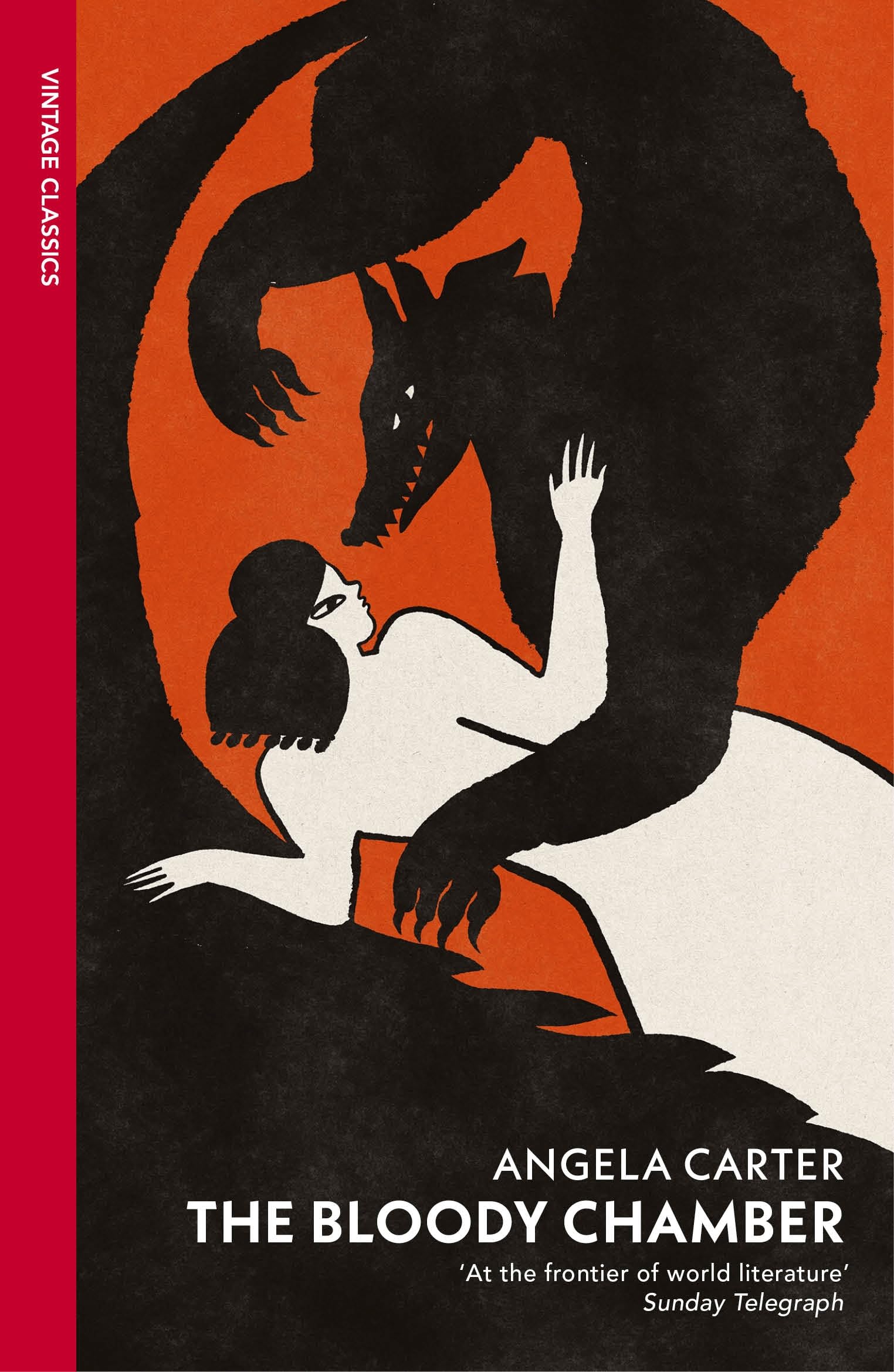
The Bloody Chamber
by Angela Carter
Angela Carter retells familiar fairy tales, including Bluebeard, Beauty and the Beast and Little Red Riding Hood, as sensual, savage and darkly witty gothic stories. Castles loom, wolves prowl and young women discover appetites and power of their own. The prose is lush, ornate and occasionally unsettling, full of velvet, blood and moonlight. This slim collection is a landmark of modern gothic fantasy and still feels daring decades after its first publication.
Goodreads: 3.89
Rated 3.89 out of 5
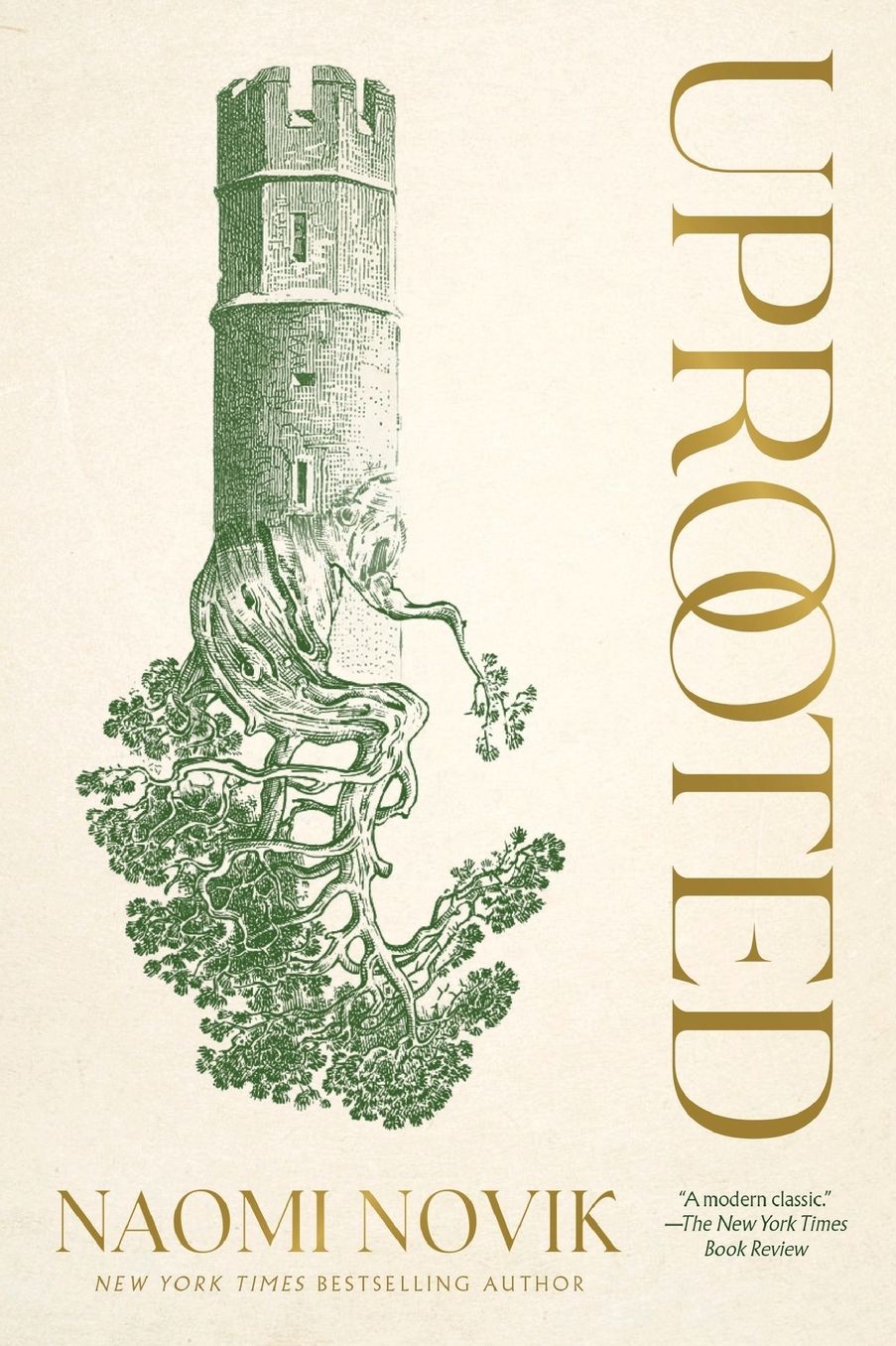
Uprooted
by Naomi Novik
Agnieszka lives in a village beside a malevolent forest, and every decade the wizard known as the Dragon claims a young woman to serve him. Everyone expects him to choose her best friend, but he doesn’t. Drawing on Polish folklore, this standalone blends dark magic, a cranky mentor and a slowly kindled bond into a thoroughly absorbing fairy tale.