Gentle Cages: 12 Sci-Fi Novels of Quiet Dystopias and Soft Control
Not every dystopia arrives with sirens. These twelve novels imagine oppression made of comfort, routine and quiet forgetting, where the cage is so soft that few think to leave it.
Facebook
Twitter
WhatsApp
Email
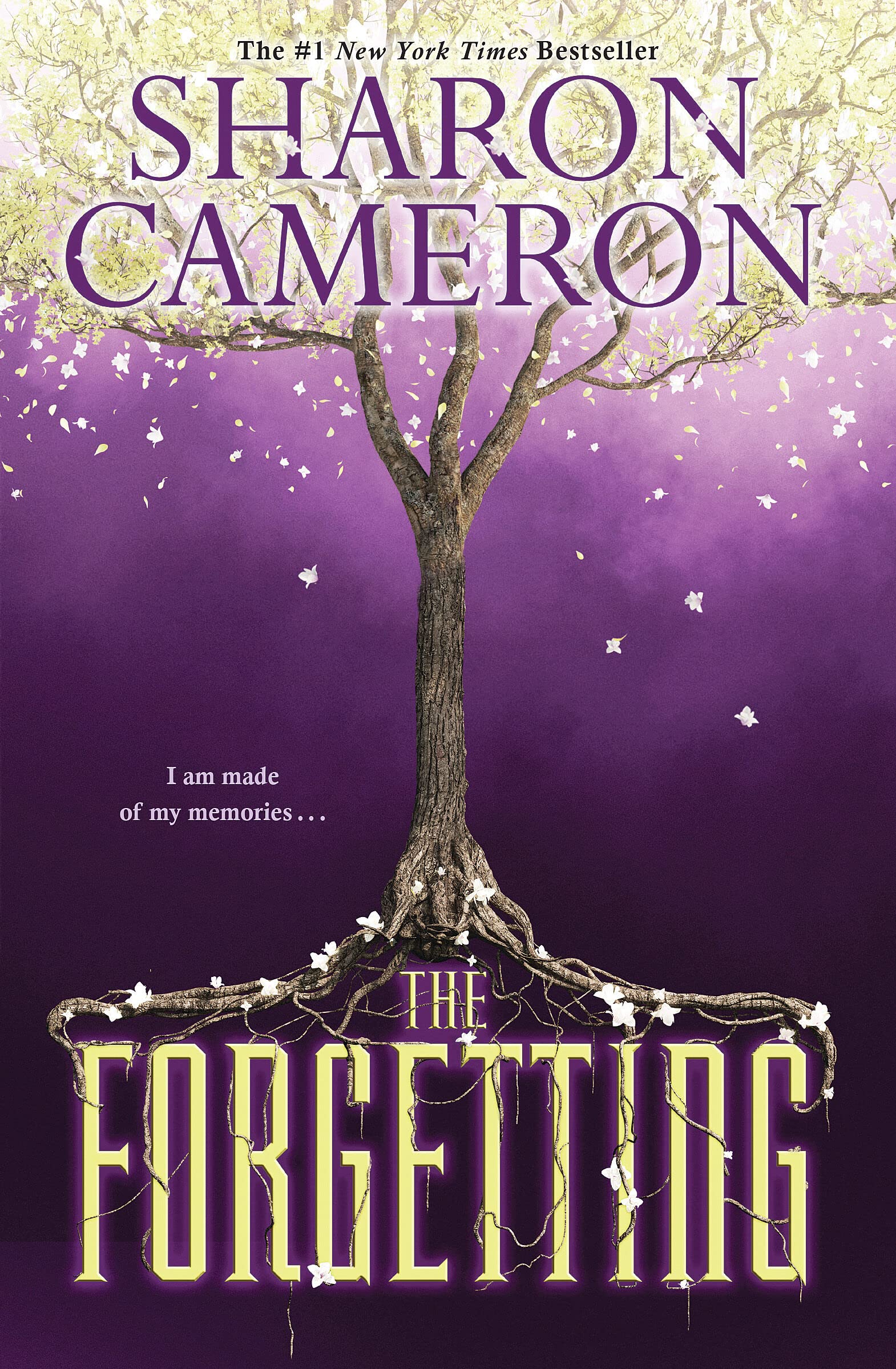
The Forgetting
by Sharon Cameron
The Forgetting
(Book 1)
In the walled city of Canaan, everyone’s memories are wiped clean every twelve years, and the only thing that keeps people anchored is what they have written down. Nadia is an outcast who remembers the past, and she begins to suspect that the Forgetting is no natural affliction. A brisk, suspenseful young-adult dystopia about the power of records, truth and who gets to control history.
Goodreads: 3.96
Rated 3.96 out of 5
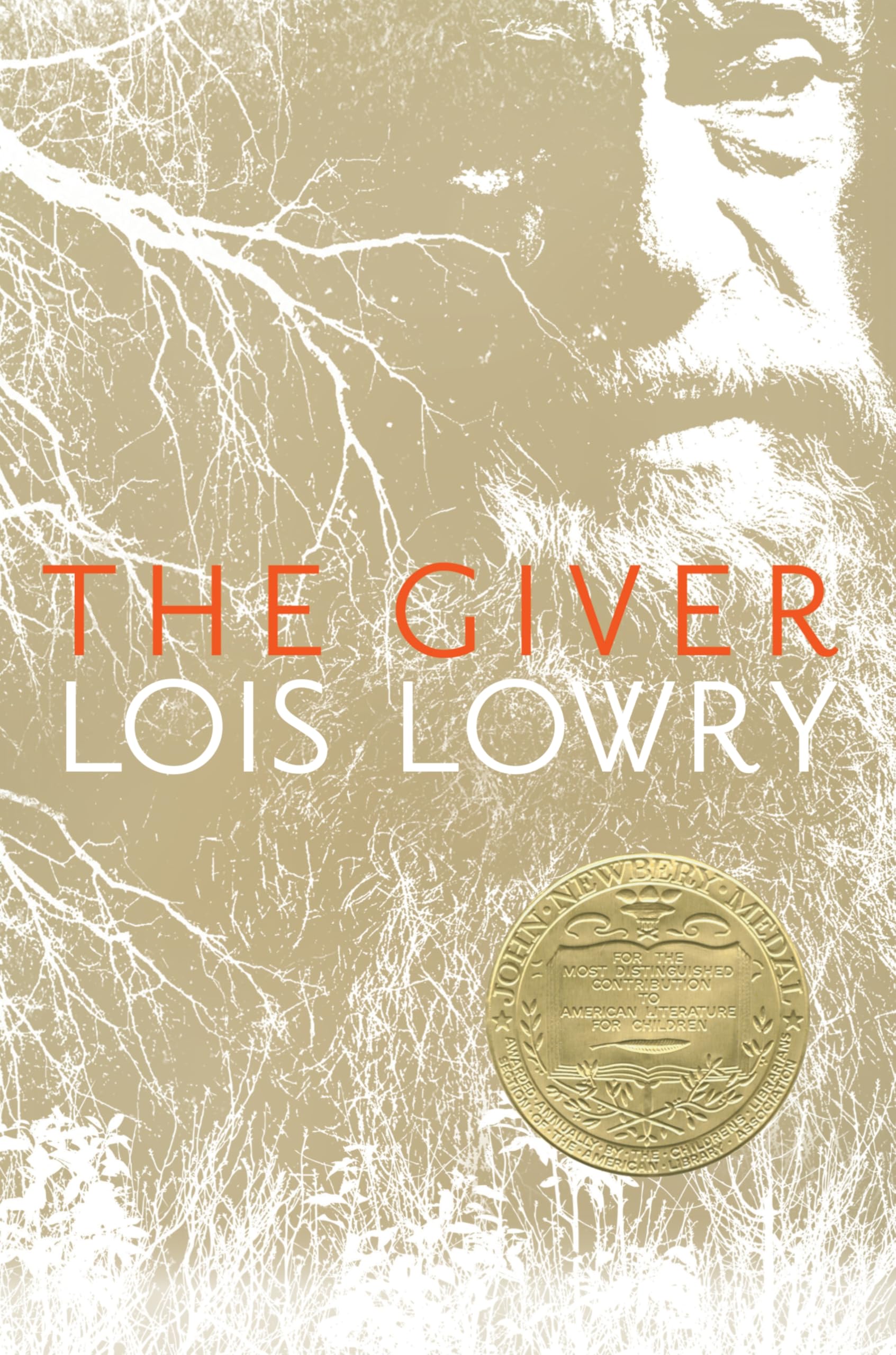
The Giver
by Lois Lowry
The Giver Quartet
(Book 1)
Twelve-year-old Jonas lives in a community with no war, hunger, pain or unpleasant surprises, where every choice is made for its citizens. Then he is chosen to inherit the community’s memories, and begins to see what was surrendered in exchange for calm. A short, quietly chilling story about sameness, memory and the value of feeling something real, it works as a gentle first step into utopian fiction.
Goodreads: 4.12
Rated 4.12 out of 5
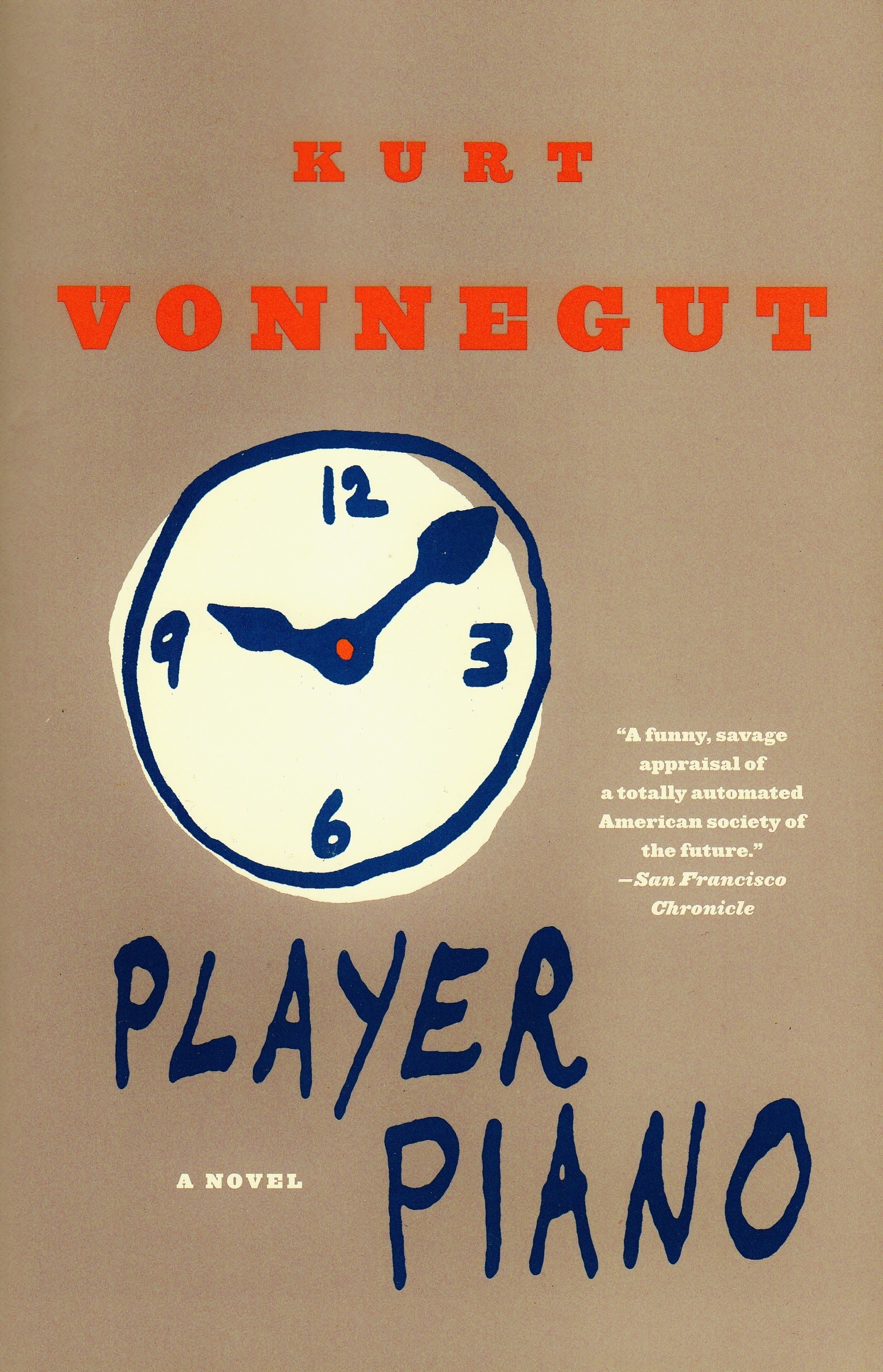
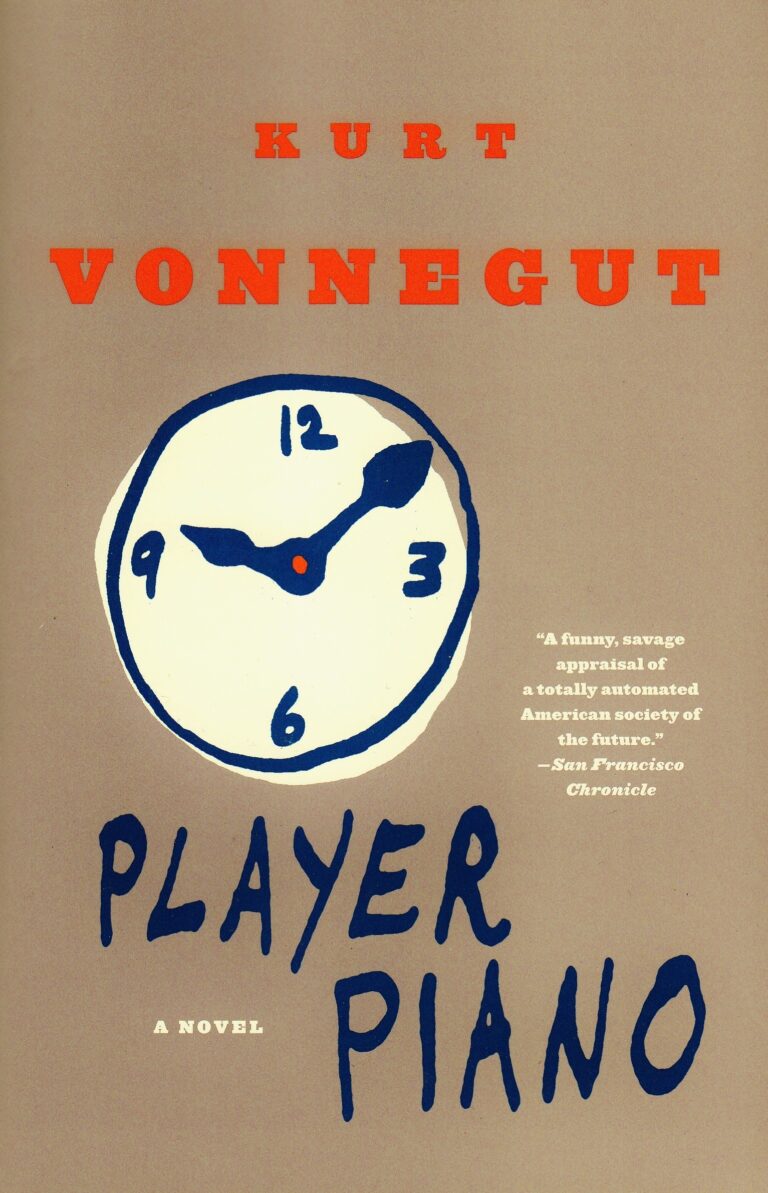
Player Piano
by Kurt Vonnegut
After automation has taken over nearly all work, society is split between a small class of engineers and managers and a vast population of idle, purposeless people. Paul Proteus, a gifted engineer, begins to feel uneasy about the comfortable machine-run world he helps maintain. Vonnegut’s debut is a wry, humane look at how efficiency and convenience can hollow out meaning without any need for overt oppression.
Goodreads: 3.90
Rated 3.9 out of 5
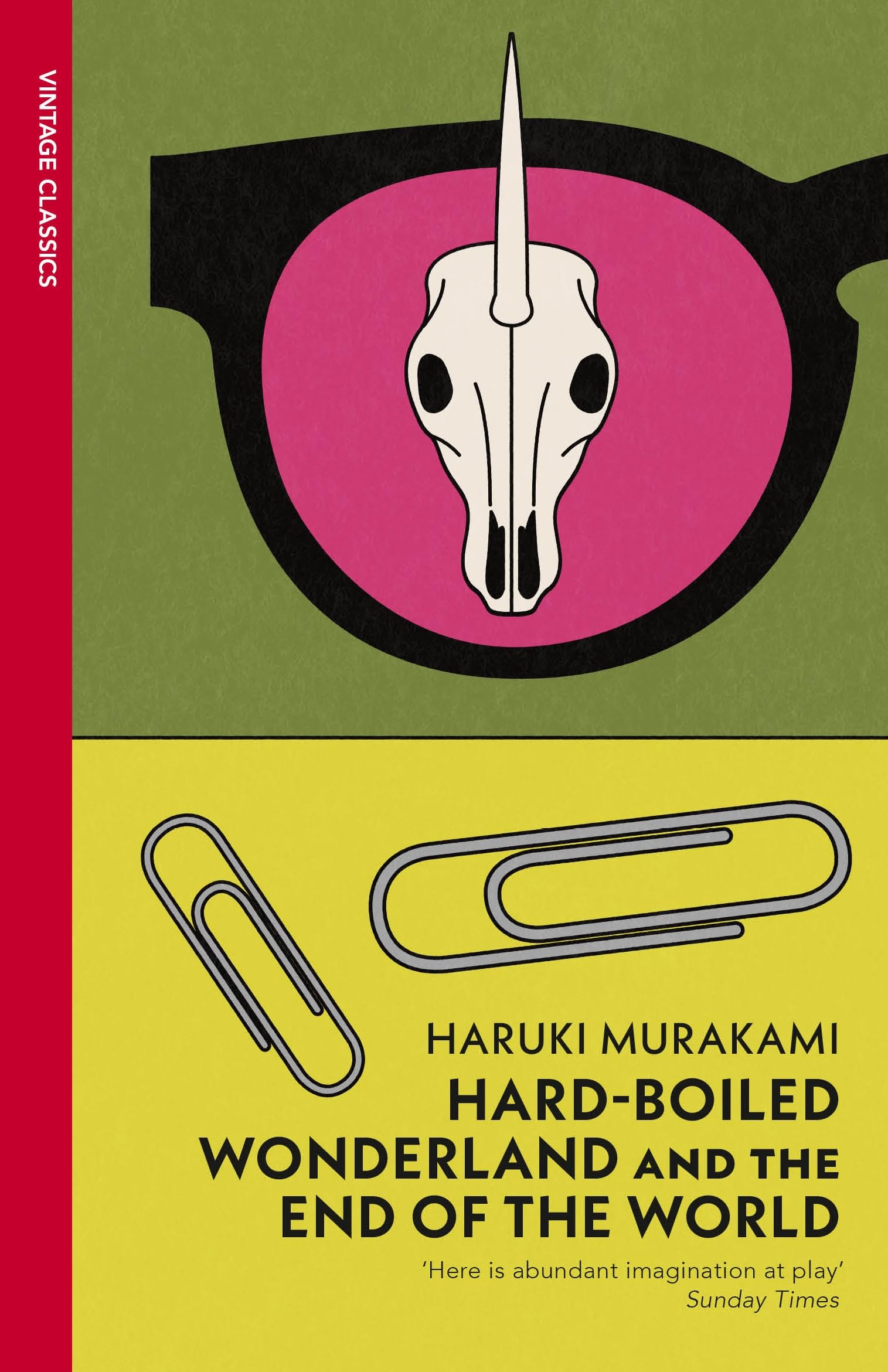
Hard-Boiled Wonderland and the End of the World
by Haruki Murakami
Two narratives alternate. In one, a Tokyo data-scrambler is caught between rival factions and has an experiment run on his own mind. In the other, a man lives in a walled town where he has lost his shadow and cannot remember his past. As the chapters edge closer together, the question of which world is real becomes ever more troubling, and the book is both strange and absorbing.
Goodreads: 4.10
Rated 4.1 out of 5
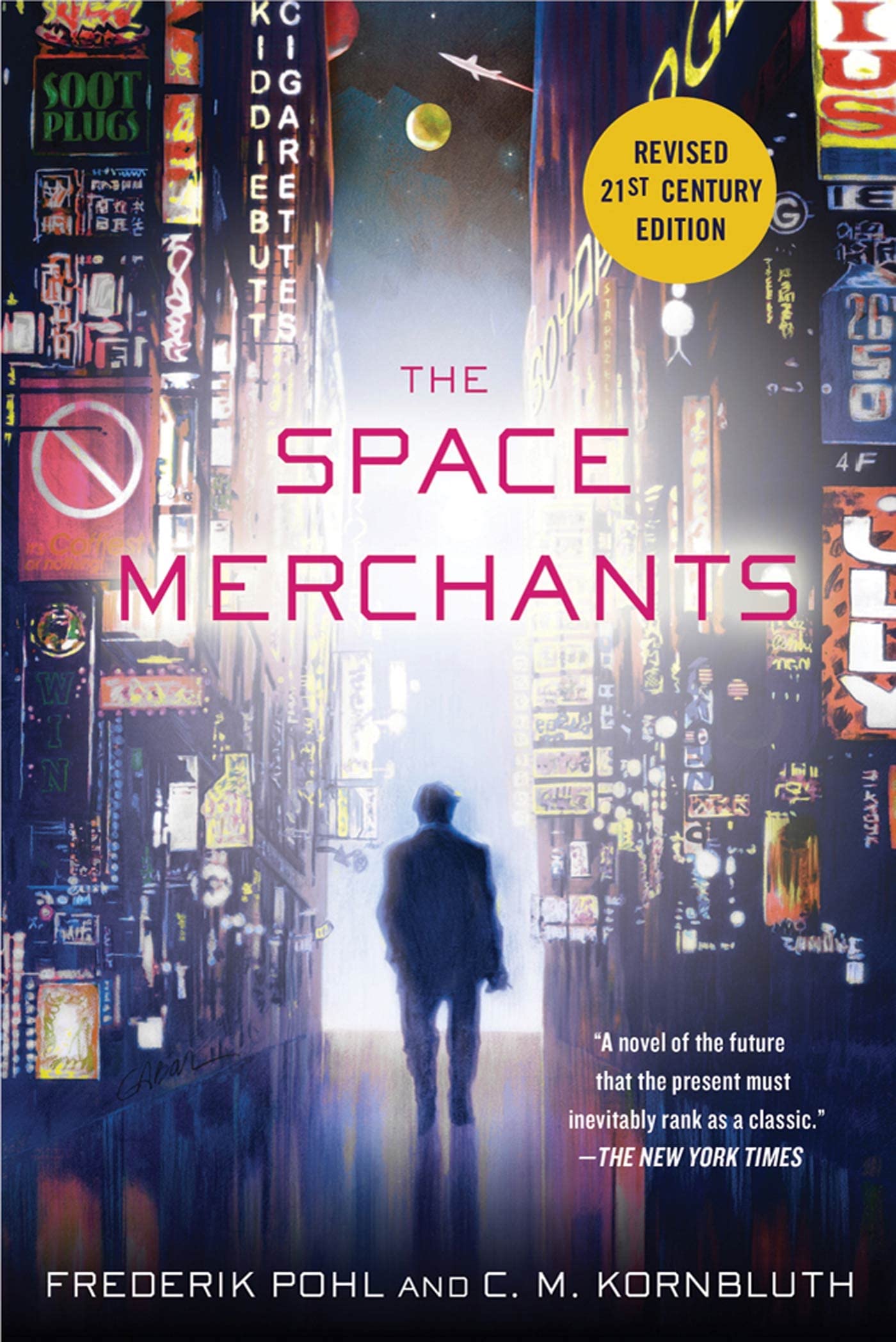
The Space Merchants
by Frederik Pohl & C.M. Kornbluth
The Space Merchants
(Book 1)
In an overcrowded future where advertising agencies are the real governments, star copywriter Mitch Courtenay is handed the biggest account in history: selling Venus to a reluctant public. When a rival plot turns his own life upside down, he sees the consumer society from the bottom. A fast, caustic satire that essentially invented corporate dystopia in science fiction.
Goodreads: 3.83
Rated 3.83 out of 5
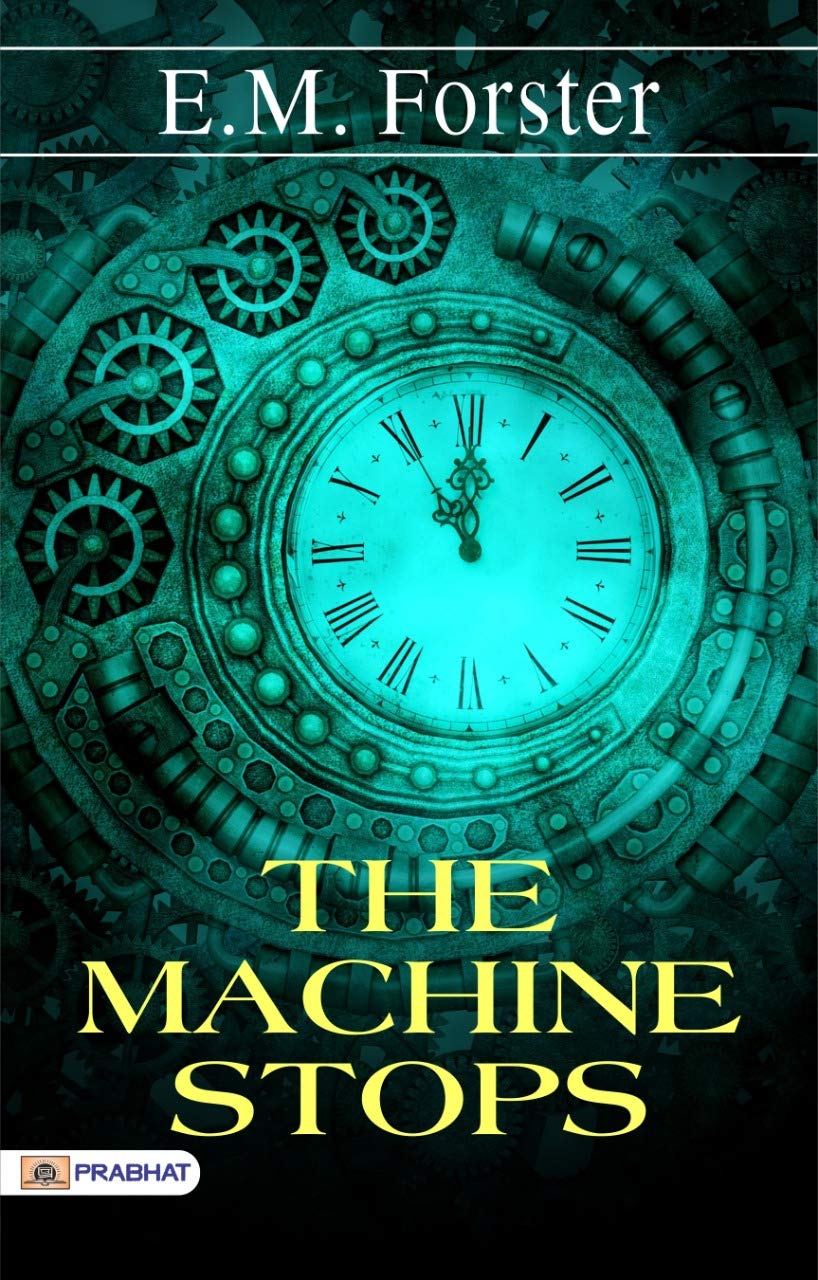
The Machine Stops
by E. M. Forster
Humanity lives in isolated underground rooms, tended by a vast Machine that supplies food, music, air and conversation at the touch of a button. Vashti is content, trading ideas with distant acquaintances and distrusting direct experience. Her son Kuno, however, longs to see the surface. First published in 1909, this short, eerily prescient novella imagines a world lulled into dependence, where convenience slowly replaces curiosity and nobody notices what has been lost.
Goodreads: 3.78
Rated 3.78 out of 5
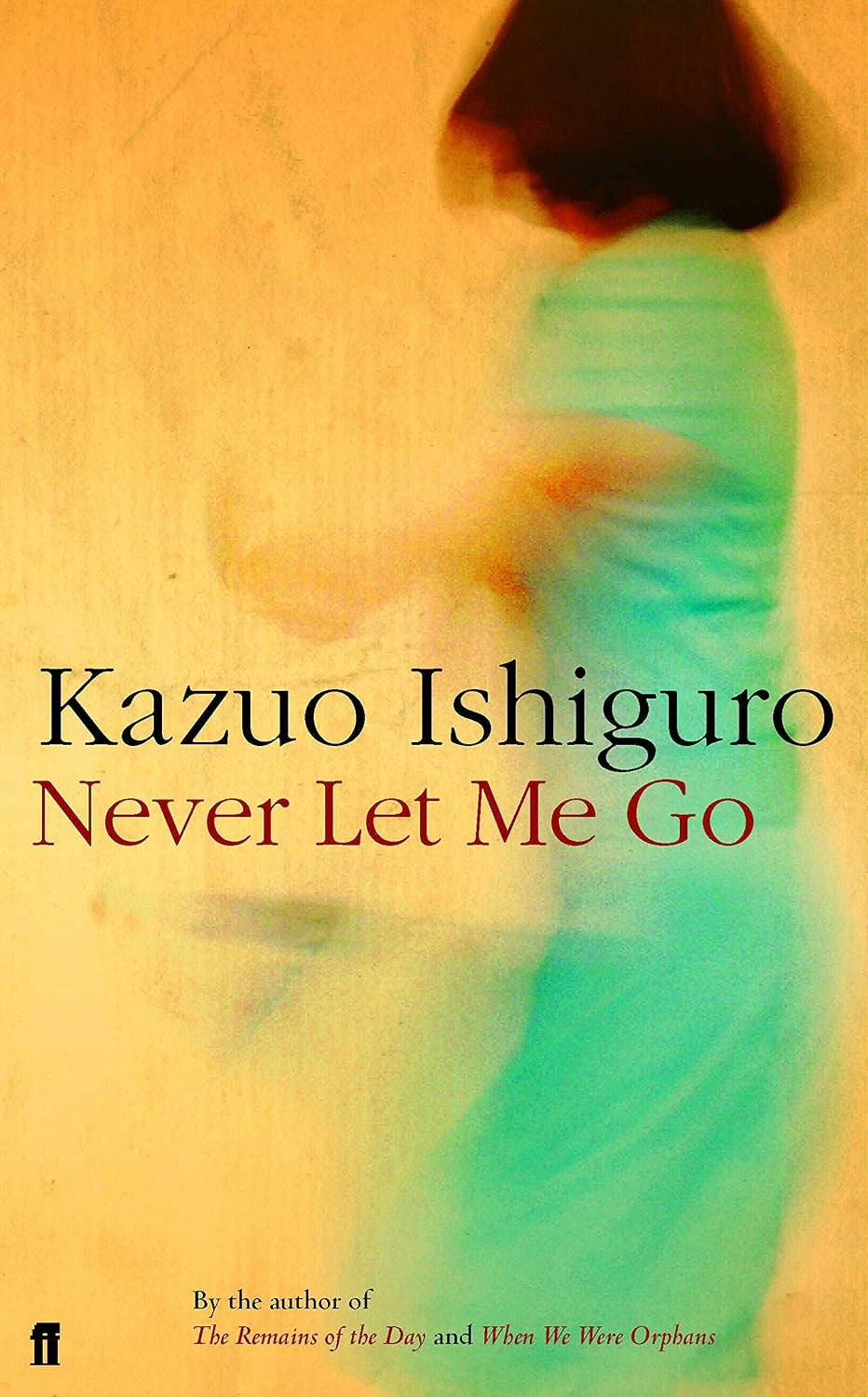
Never Let Me Go
by Kazuo Ishiguro
Looking back from adulthood, Kathy recalls her years at Hailsham, an English boarding school where the pupils are oddly sheltered and quietly watched. As friendships and a love triangle unfold, the true purpose of their upbringing slowly comes into focus. Ishiguro’s restrained, melancholy narration makes this a devastating study of memory, mortality and acceptance, and a speculative story that few readers forget.
Goodreads: 3.85
Rated 3.85 out of 5
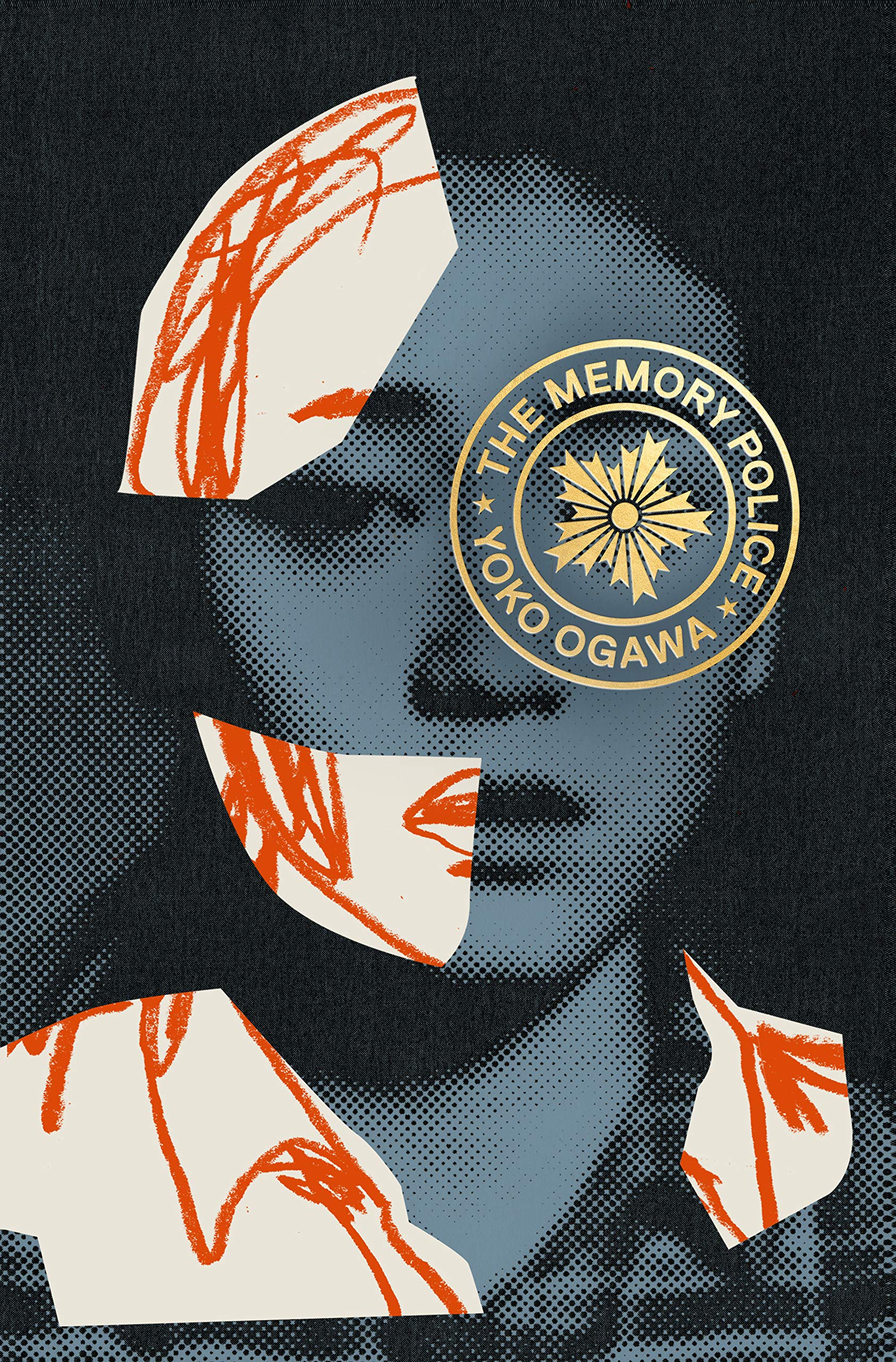
The Memory Police
by Yōko Ogawa
On an unnamed island, objects and ideas vanish one by one, and everyone’s memory of them vanishes too. Those who can’t forget are hunted by the Memory Police. A young novelist, who is writing a story of her own, decides to hide her editor from the authorities. It is a quiet, eerie study of erasure, complicity and fear, in which the loss of reality comes gently and no one resists it.
Goodreads: 3.67
Rated 3.67 out of 5
Brave New World
by Aldous Huxley
Aldous Huxley’s profoundly important classic of world literature, Brave New World is a searching vision of an unequal, technologically-advanced future where humans are genetically bred, socially indoctrinated, and pharmaceutically anesthetized to passively uphold an authoritarian ruling order–all at the cost of our freedom, full humanity, and perhaps also our souls.
“A genius who spent his life decrying the onward march of the Machine” (The New Yorker), Huxley was a man of incomparable talents: equally an artist, a spiritual seeker, and one of history’s keenest observers of human nature and civilization. Brave New World, his masterpiece, has enthralled and terrified millions of readers, and retains its urgent relevance to this day as both a warning to be heeded as we head into tomorrow and as thought-provoking, satisfying work of literature. Written in the shadow of the rise of fascism during the 1930s, Brave New World likewise speaks to a 21st-century world dominated by mass-entertainment, technology, medicine and pharmaceuticals, the arts of persuasion, and the hidden influence of elites.
Goodreads: 3.98
Rated 3.98 out of 5
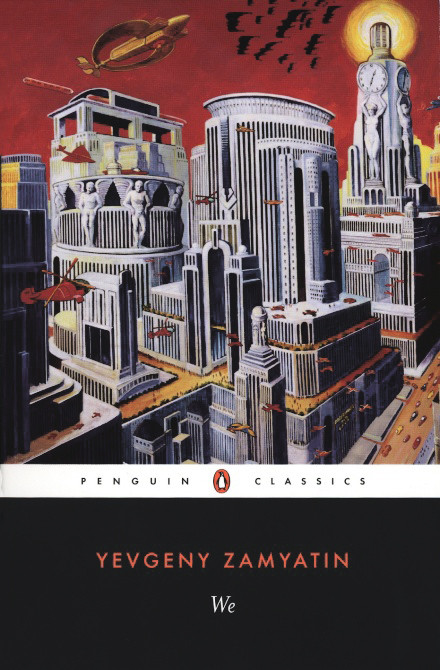
We
by Yevgeny Zamyatin
In the glass-walled One State, every hour of life is scheduled and individuality is treated as a disease. D-503, a loyal mathematician building the spaceship Integral, begins a diary for the glory of the regime, but an unexpected encounter awakens feelings and doubts he cannot suppress. Written in Russian in the early 1920s, this pioneering dystopia influenced Orwell and Huxley and still feels startlingly sharp.
Goodreads: 3.91
Rated 3.91 out of 5
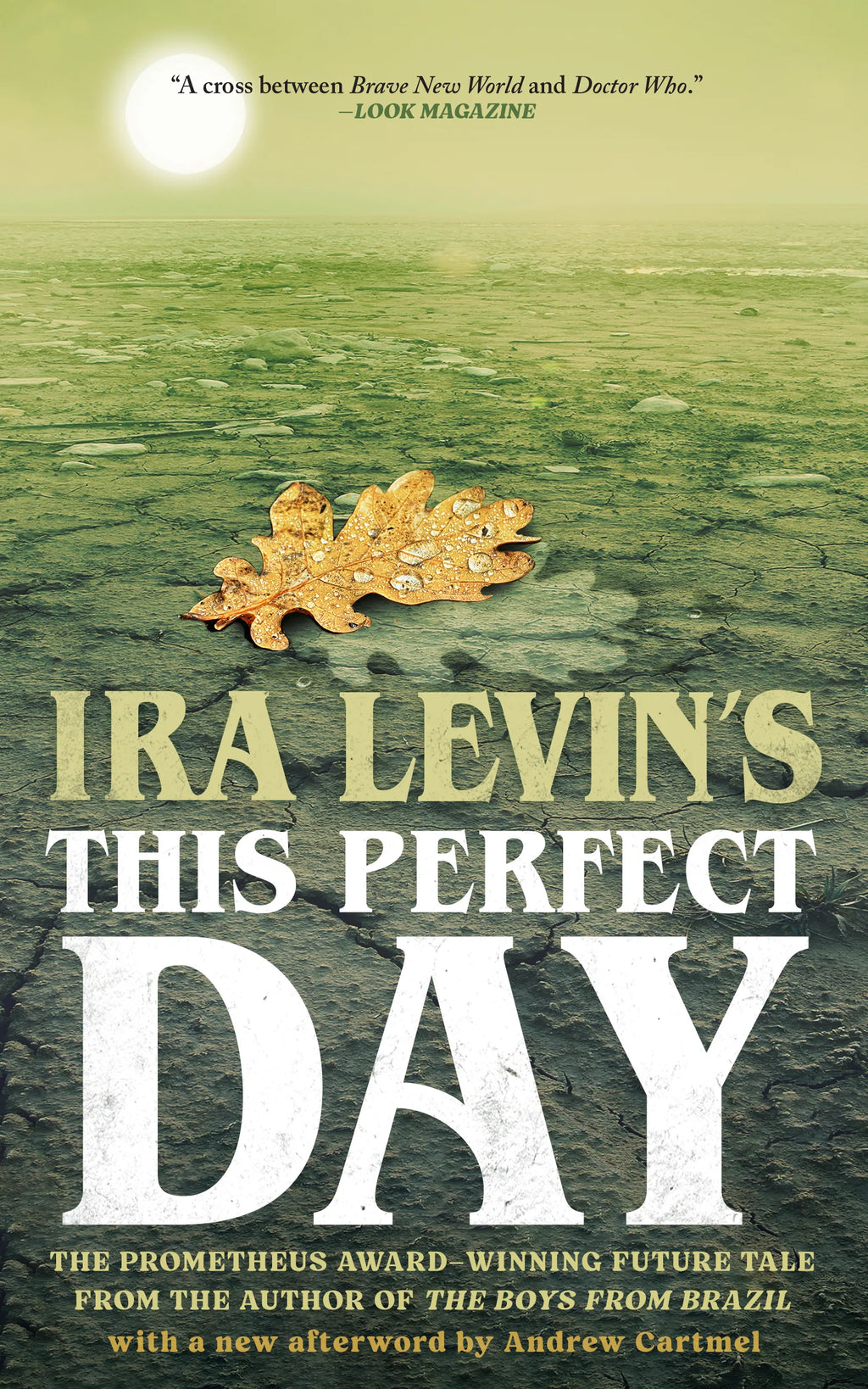
This Perfect Day
by Ira Levin
In a world run by a vast computer, every person is assigned a name, a job, a partner and a regular dose of medication that keeps them placid and obedient. Chip grows up content, but small doubts begin to nag at him. As he starts to question the gentle order around him, he finds that escaping something so smooth and benevolent is far harder than fleeing a tyrant.
Goodreads: 3.90
Rated 3.9 out of 5
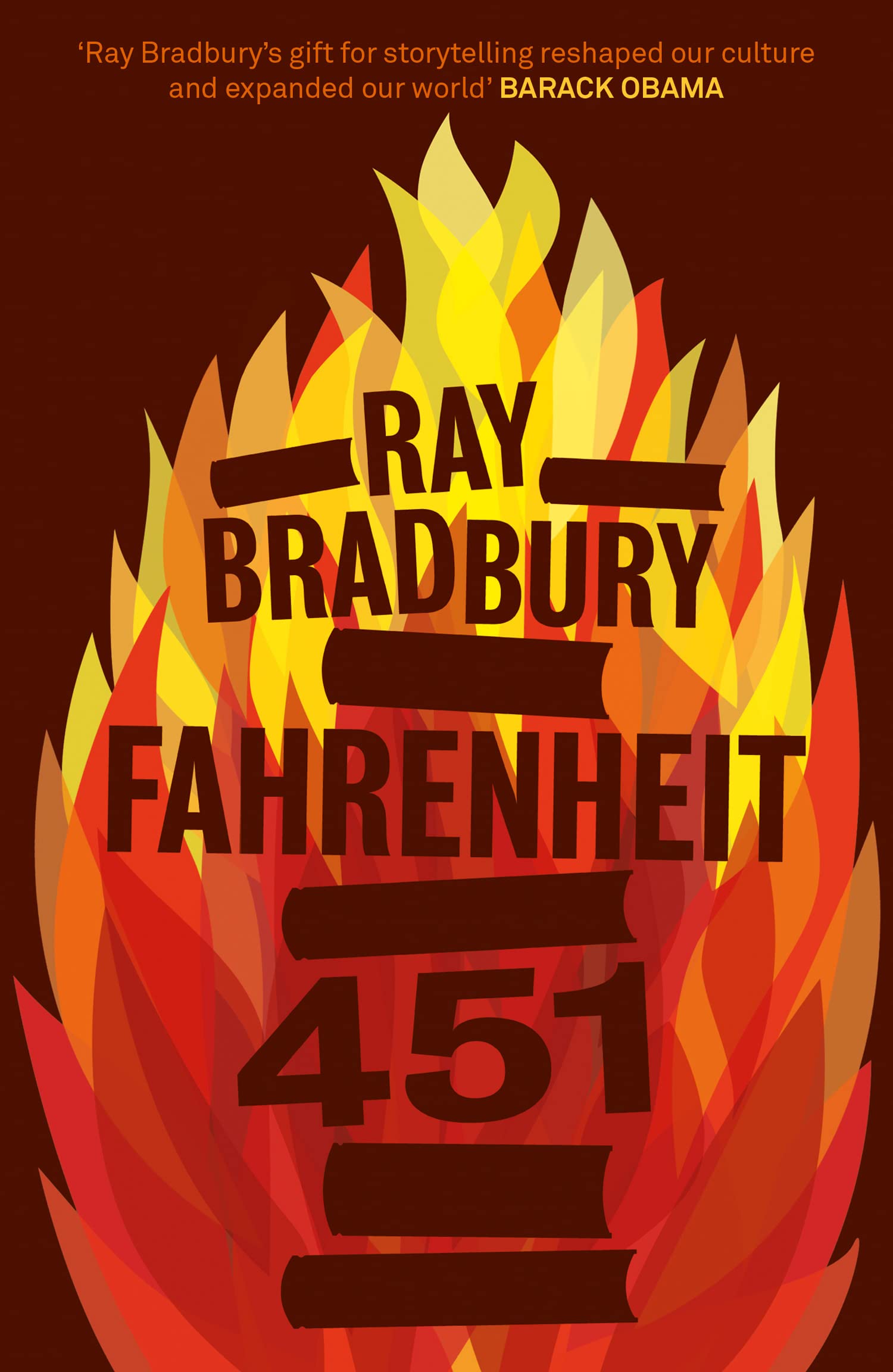
Fahrenheit 451
by Ray Bradbury
In a future where houses are fireproof and firemen exist to burn books, Guy Montag begins to question the shallow, screen-lulled society he serves. After a chance meeting with an unconventional young neighbour, he starts hiding forbidden volumes and risking everything. Bradbury’s short, lyrical warning about censorship, distraction and the dulling of the mind was published in 1953 and still feels uncomfortably close to home.