If You Loved Solaris: 8 Sci-Fi Novels of Minds That Cannot Be Understood
Lem’s living ocean taught us that contact might mean failing to understand. These eight novels follow that unsettling thread, from ruins and swarms to stranger intelligences, and leave the mystery gloriously intact.
Facebook
Twitter
WhatsApp
Email
Rendezvous with Rama
by Arthur C. Clarke
Rama
(Book 1)
At first, only a few things are known about the celestial object that astronomers dub Rama. It is huge, weighing more than ten trillion tons. And it is hurtling through the solar system at an inconceivable speed. Then a space probe confirms the unthinkable: Rama is no natural object. It is, incredibly, an interstellar spacecraft. Space explorers and planet-bound scientists alike prepare for mankind’s first encounter with alien intelligence. It will kindle their wildest dreams… and fan their darkest fears. For no one knows who the Ramans are or why they have come. And now the moment of rendezvous awaits — just behind a Raman airlock door.
Goodreads: 4.12
Rated 4.12 out of 5
Roadside Picnic
by Arkady Strugatsky & Boris Strugatsky
Aliens have visited Earth and left, leaving behind six zones strewn with lethal and miraculous objects. Red Schuhart is a stalker, a scavenger who risks his life to sneak into the nearest zone and sell what he finds. Brief, bitter and unforgettable, this Soviet classic suggests that we might be as irrelevant to visitors as ants are to picnickers.
Goodreads: 4.11
Rated 4.11 out of 5
The Invincible
by Stanisław Lem
A space cruiser, in search of its sister ship, encounters beings descended from self-replicating machines.
In the grand tradition of H. G. Wells and Jules Verne, Stanisław Lem’s The Invincible tells the story of a space cruiser sent to an obscure planet to determine the fate of a sister spaceship whose communication with Earth has abruptly ceased. Landing on the planet Regis III, navigator Rohan and his crew discover a form of life that has apparently evolved from autonomous, self-replicating machines—perhaps the survivors of a “robot war.” Rohan and his men are forced to confront the classic quandary: what course of action can humanity take once it has reached the limits of its knowledge? In The Invincible, Lem has his characters confront the inexplicable and the bizarre: the problem that lies just beyond analytical reach.
Goodreads: 4.14
Rated 4.14 out of 5
Annihilation
by Jeff VanderMeer
Southern Reach
(Book 1)
Four women enter Area X, a coastal region sealed off from the world after an unexplained event. Their expedition, narrated by a biologist, has been told little and warned of less. Strange tunnels, uncanny growth and shifting landscapes soon blur the line between nature and something far stranger. This short, unsettling novel builds creeping dread from beauty, secrecy and an environment that seems to be quietly changing the explorers themselves.
Goodreads: 3.80
Rated 3.8 out of 5
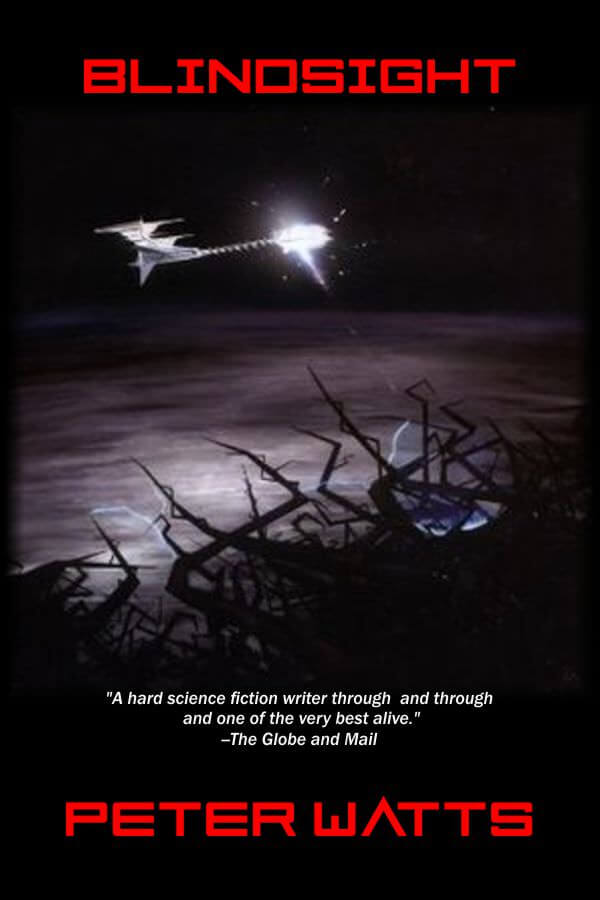
Blindsight
by Peter Watts
Firefall
(Book 1)
Two months since sixty-five thousand alien objects clenched around the Earth like a luminous fist, screaming to the heavens as the atmosphere burned them to ash. Two months since that moment of brief, bright surveillance by agents unknown.
Two months of silence, while a world holds its breath.
Now some half-derelict space probe, sparking fitfully past Neptune’s orbit, hears a whisper from the edge of the solar system: a faint signal sweeping the cosmos like a lighthouse beam. Whatever’s out there isn’t talking to us. It’s talking to some distant star, perhaps. Or perhaps to something closer, something en route.
Goodreads: 3.99
Rated 3.99 out of 5
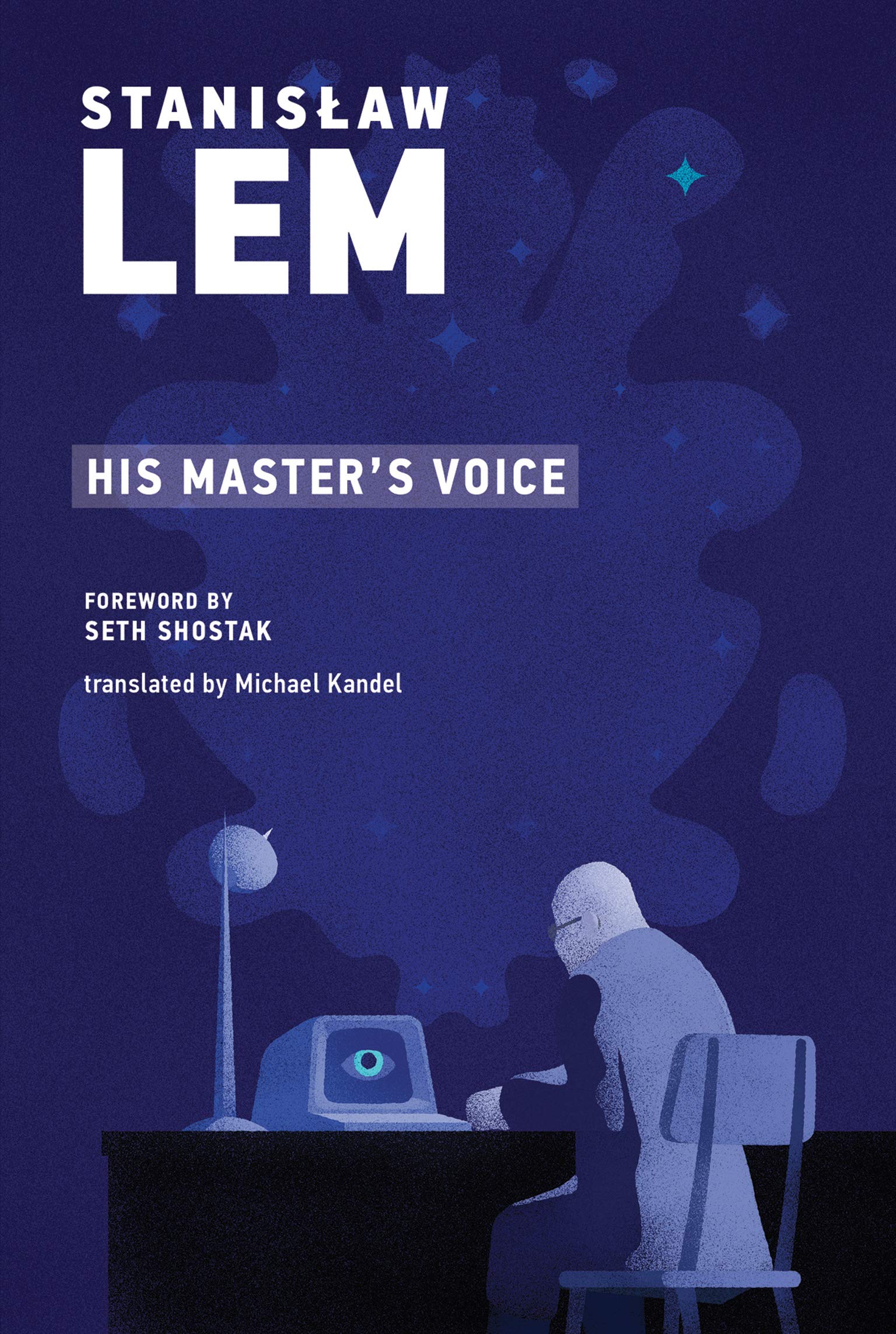
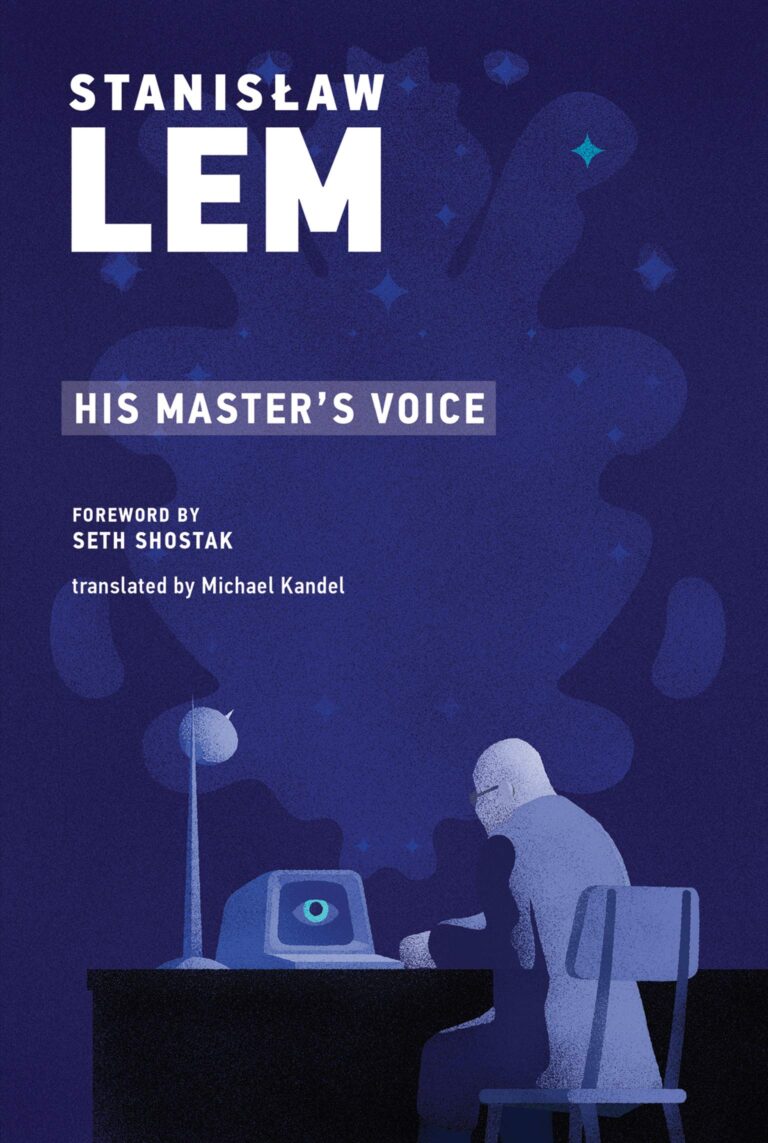
His Master’s Voice
by Stanisław Lem
A mathematician is drafted into a secret government project in the Nevada desert, where scientists try to decode a signal from the stars. As experts from every field project their own hopes and prejudices onto the message, the novel becomes a dry, brilliant, deeply sceptical study of why humanity may be incapable of understanding a genuine message from beyond.
Goodreads: 3.95
Rated 3.95 out of 5
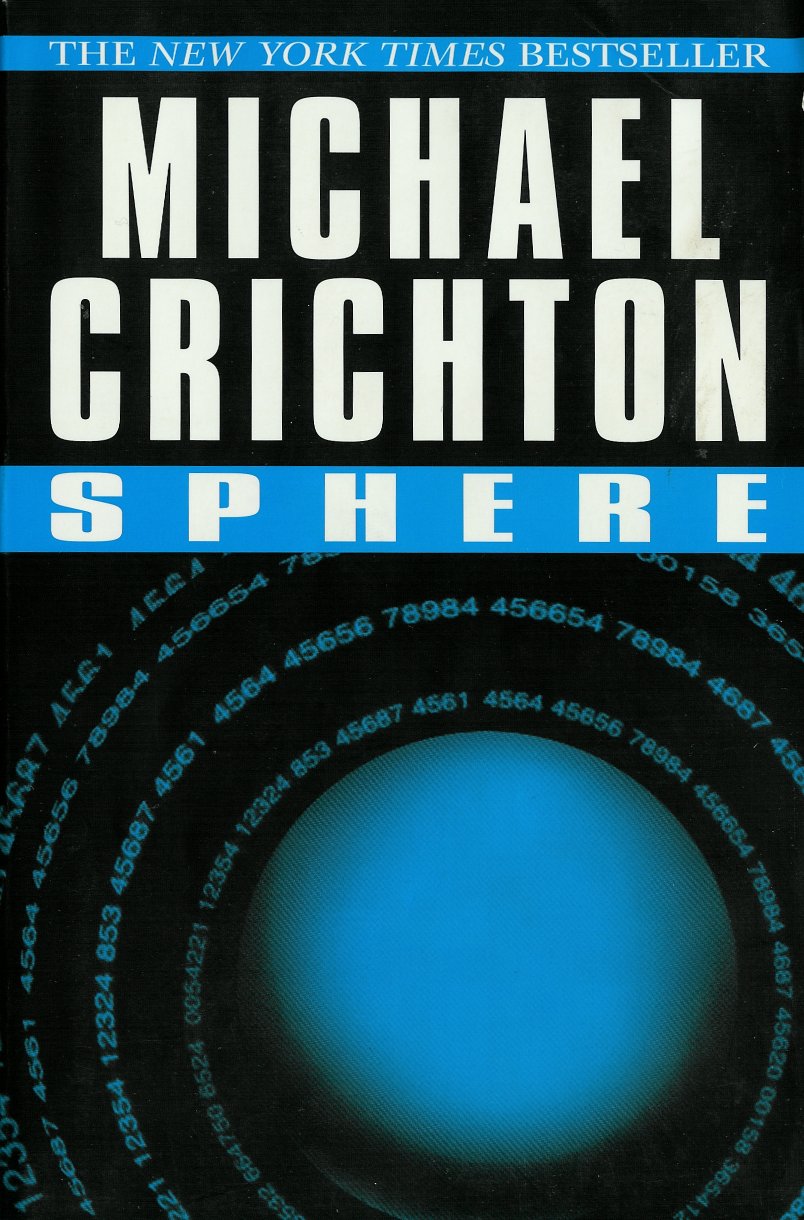
Sphere
by Michael Crichton
A huge spacecraft is found on the ocean floor, apparently centuries old and not of human origin. A team of scientists descends to investigate and discovers a mysterious gleaming sphere inside. As isolation and pressure mount, the sphere begins to interact with their minds in unsettling ways, raising questions about consciousness, fear and what an alien intelligence might really want.
Goodreads: 3.74
Rated 3.74 out of 5
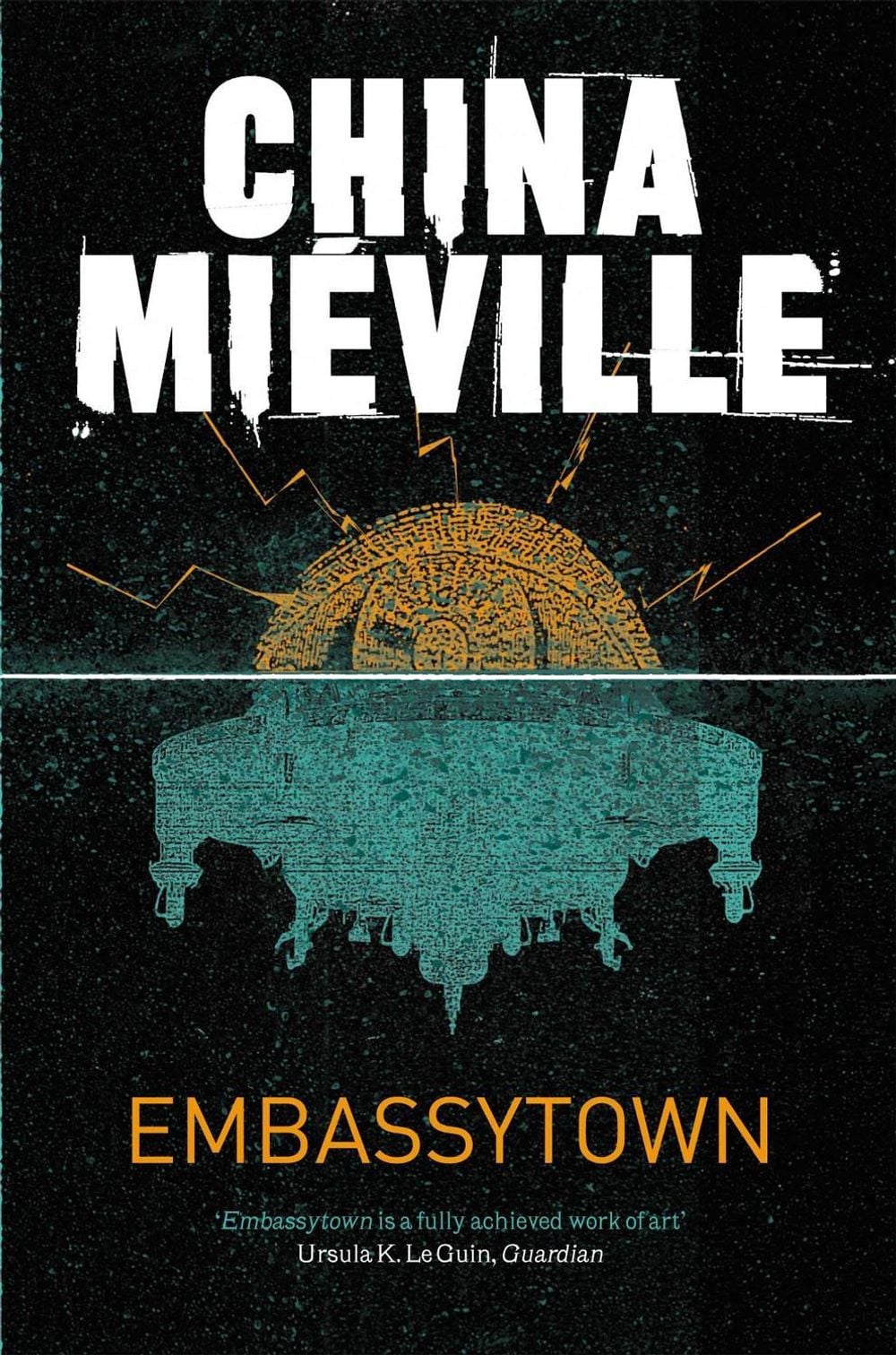
Embassytown
by China Miéville
On the far-flung world of Arieka, humans live in an enclave among the Hosts, aliens whose language cannot be spoken by a single voice and cannot express a lie. Avice, a native who has travelled the stars, is drawn back as a new ambassador arrives and upsets a fragile balance. A dazzling, strange study of how words shape minds and politics.