Survival of the Strangest: 12 Sci-Fi Novels Where Evolution Takes Centre Stage
Darwin never imagined spiders building civilisations or neutron-star creatures racing through generations in hours. These twelve novels use natural selection as their engine, asking what life becomes when time, pressure and strangeness do the writing.
Facebook
Twitter
WhatsApp
Email
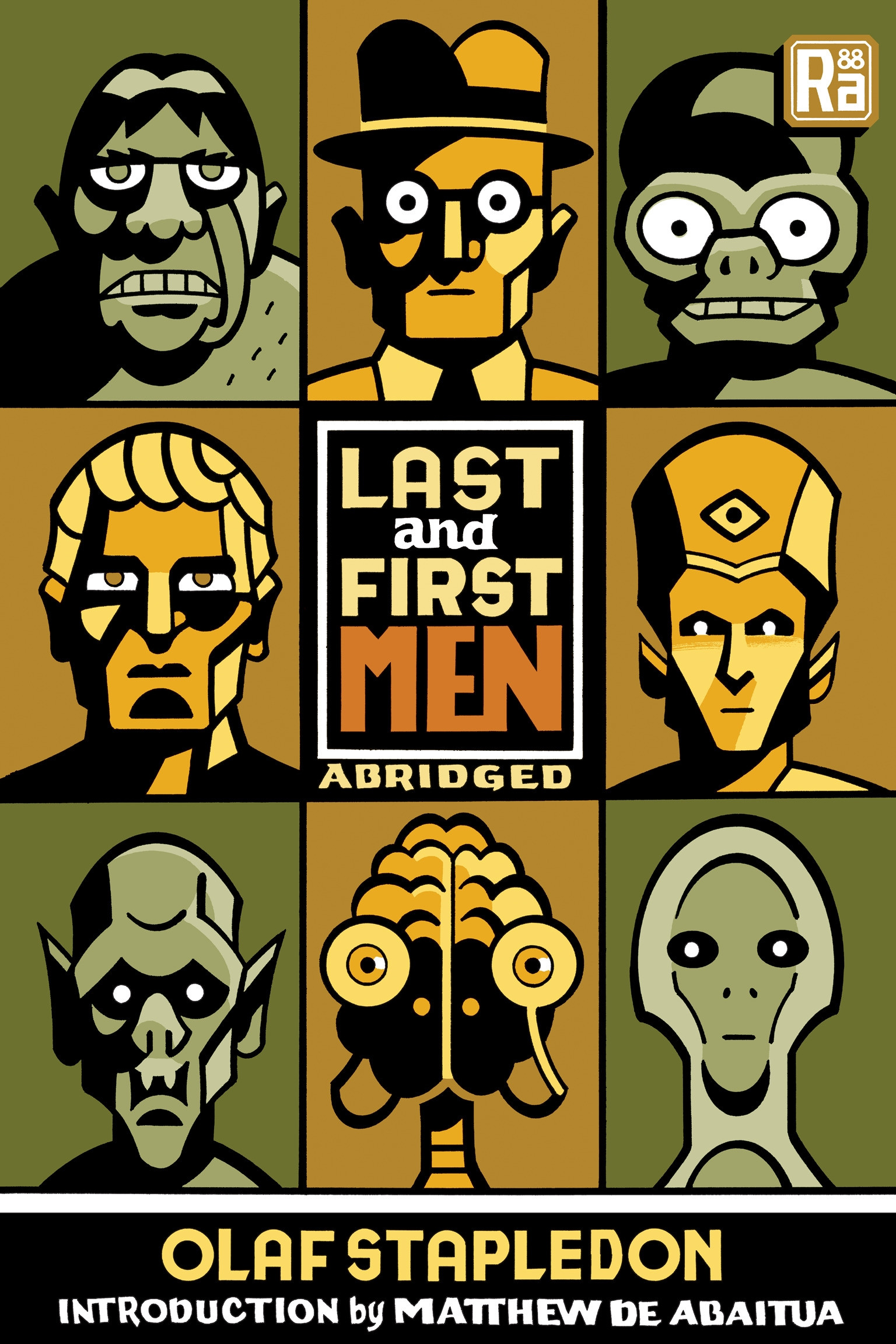
Last and First Men
by Olaf Stapledon
Stapledon’s visionary 1930 “future history” surveys two billion years of humanity, from our own era to eighteen successive human species rising and falling across Earth, Venus and Neptune. Written as a message from a far-distant descendant, it pairs cosmic scale with melancholy, treating civilisations as brief flickers against deep time. Its dry, philosophical voice can feel austere, but its sweep influenced generations of later science fiction writers.
Goodreads: 3.79
Rated 3.79 out of 5
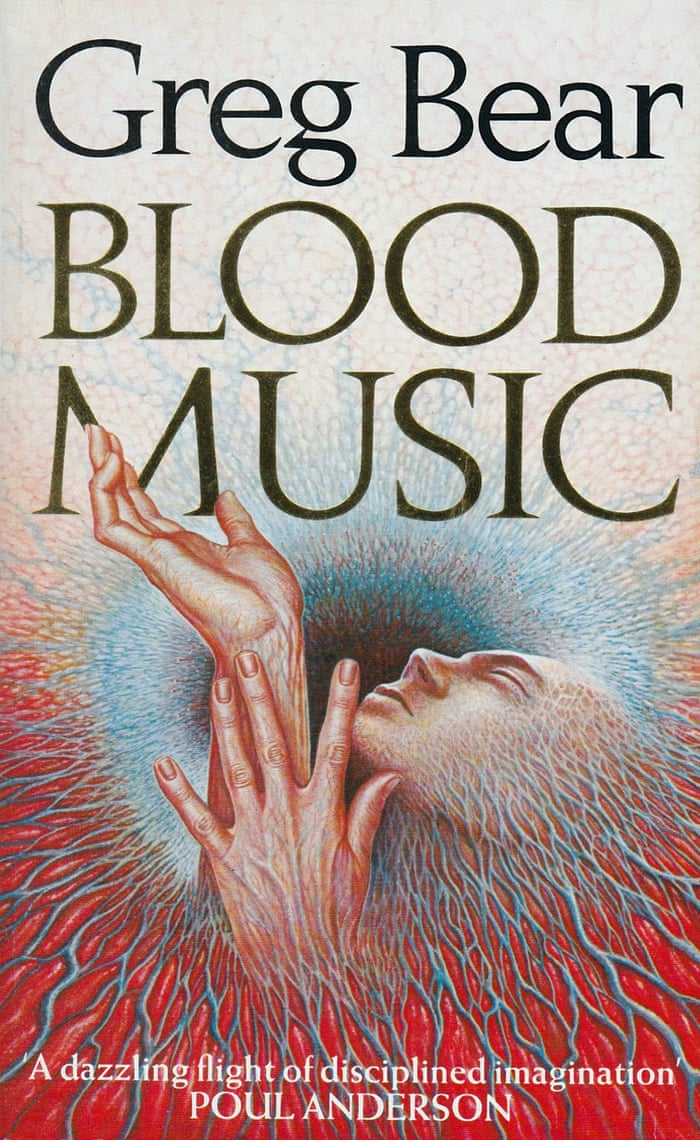
Blood Music
by Greg Bear
A maverick biotechnologist smuggles out of his lab a set of intelligent cells he has engineered, injecting them into his own body to save his work. What begins as a private experiment starts to rewrite him from within, then spreads beyond anyone’s control. Bear’s inventive, unsettling novel pushes biotechnology towards transcendence and horror, questioning what it means to be an individual.
Goodreads: 3.84
Rated 3.84 out of 5
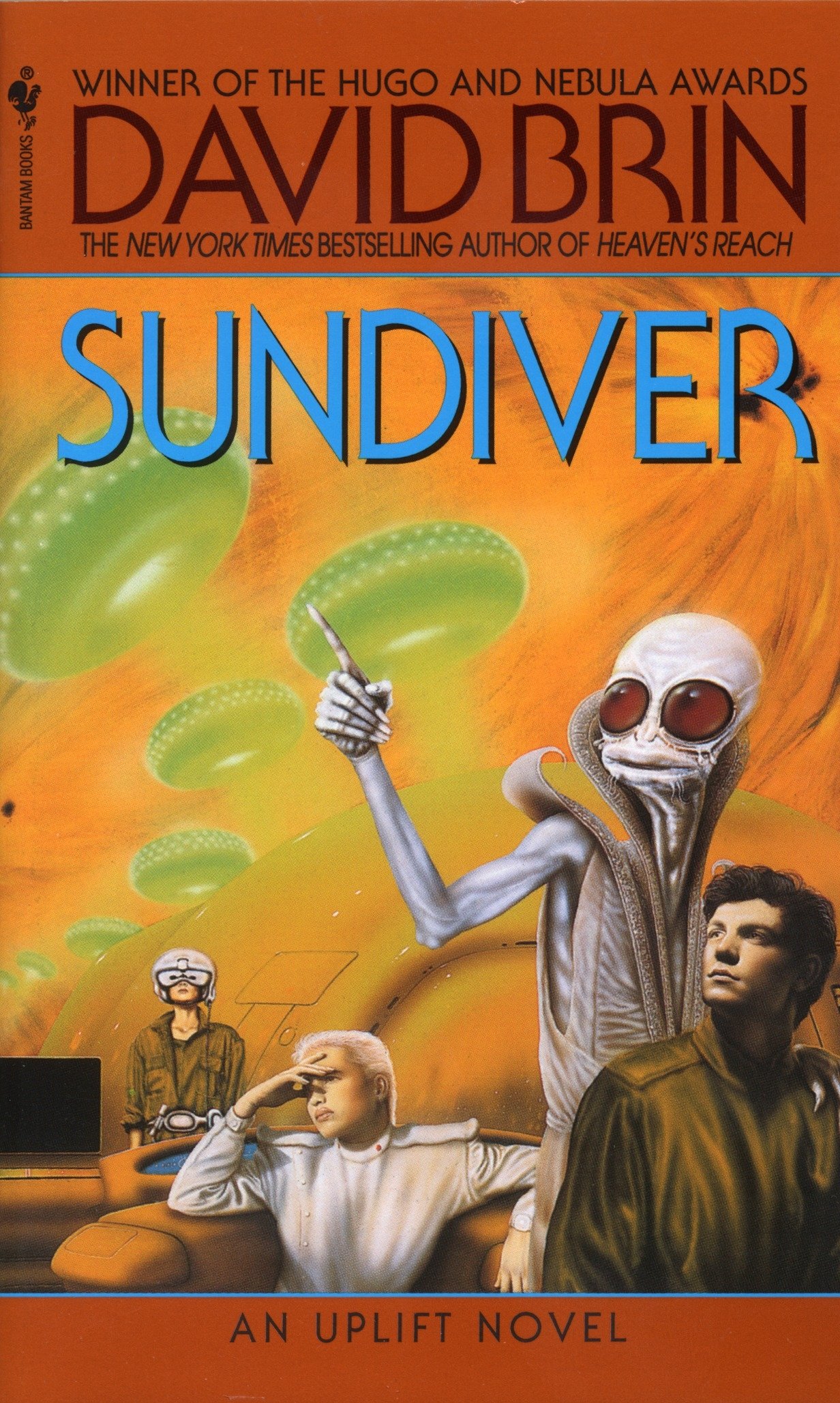
Sundiver
by David Brin
Uplift
(Book 1)
Humanity has discovered it is a latecomer in a galaxy of ancient, patron-led species, and that we seem to have no patrons of our own. When an expedition dives into the Sun and encounters strange life, a young investigator is drawn into a mystery that could rewrite our origins. Brin launches his Uplift universe, where intelligence is gifted, guided and fiercely contested, and evolution becomes political.
Goodreads: 3.69
Rated 3.69 out of 5
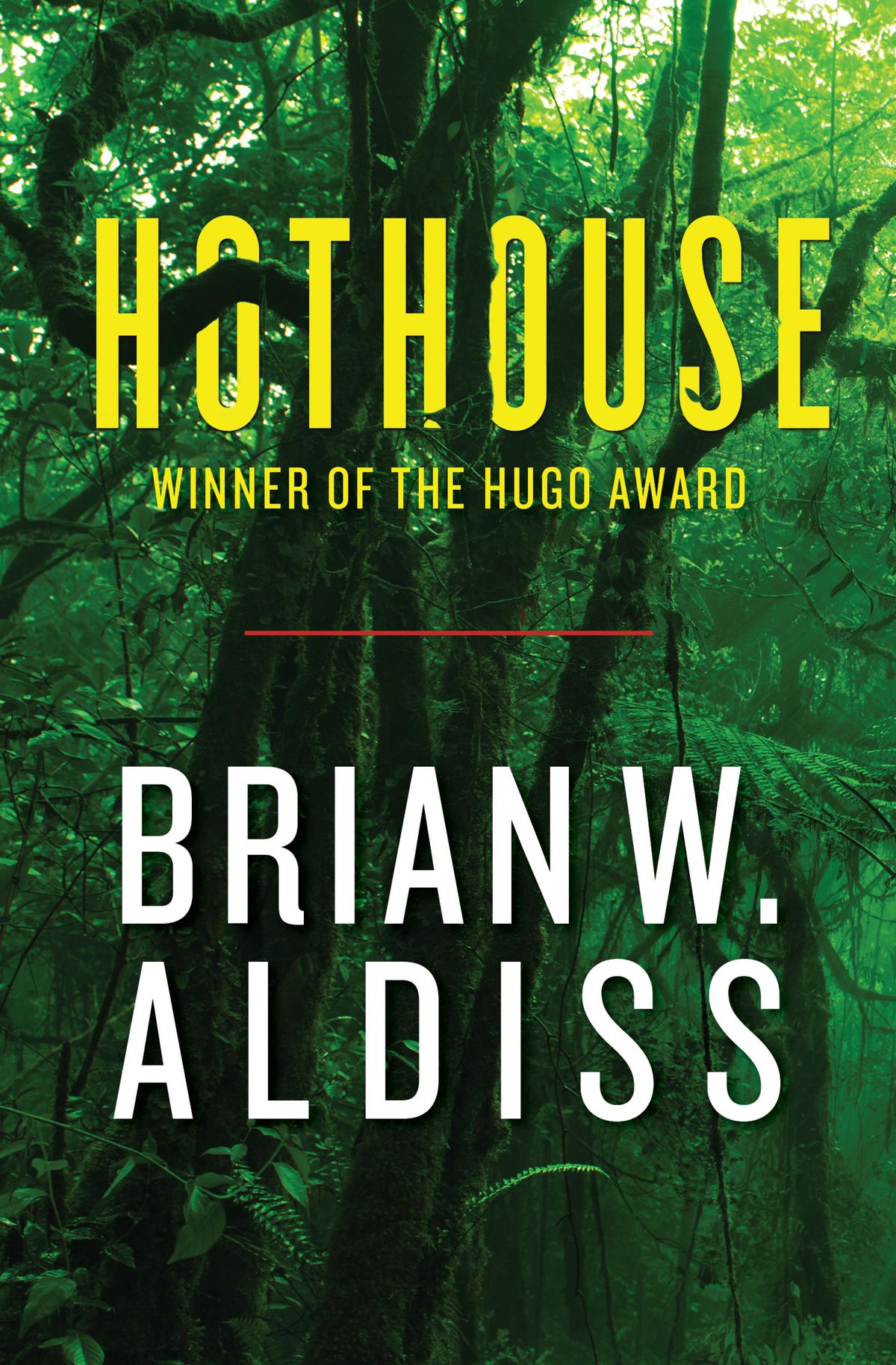
Hothouse
by Brian W. Aldiss
In the far future the Earth has stopped turning, and one side is smothered by a vast, predatory banyan forest while humanity dwindles in its branches. When a young man named Gren is cast out from his tribe, he embarks on a perilous odyssey through lethal jungle and across the planet’s face. Lush, inventive and eerie, it follows a reluctant traveller through a landscape that is thoroughly hostile to people.
Goodreads: 3.63
Rated 3.63 out of 5
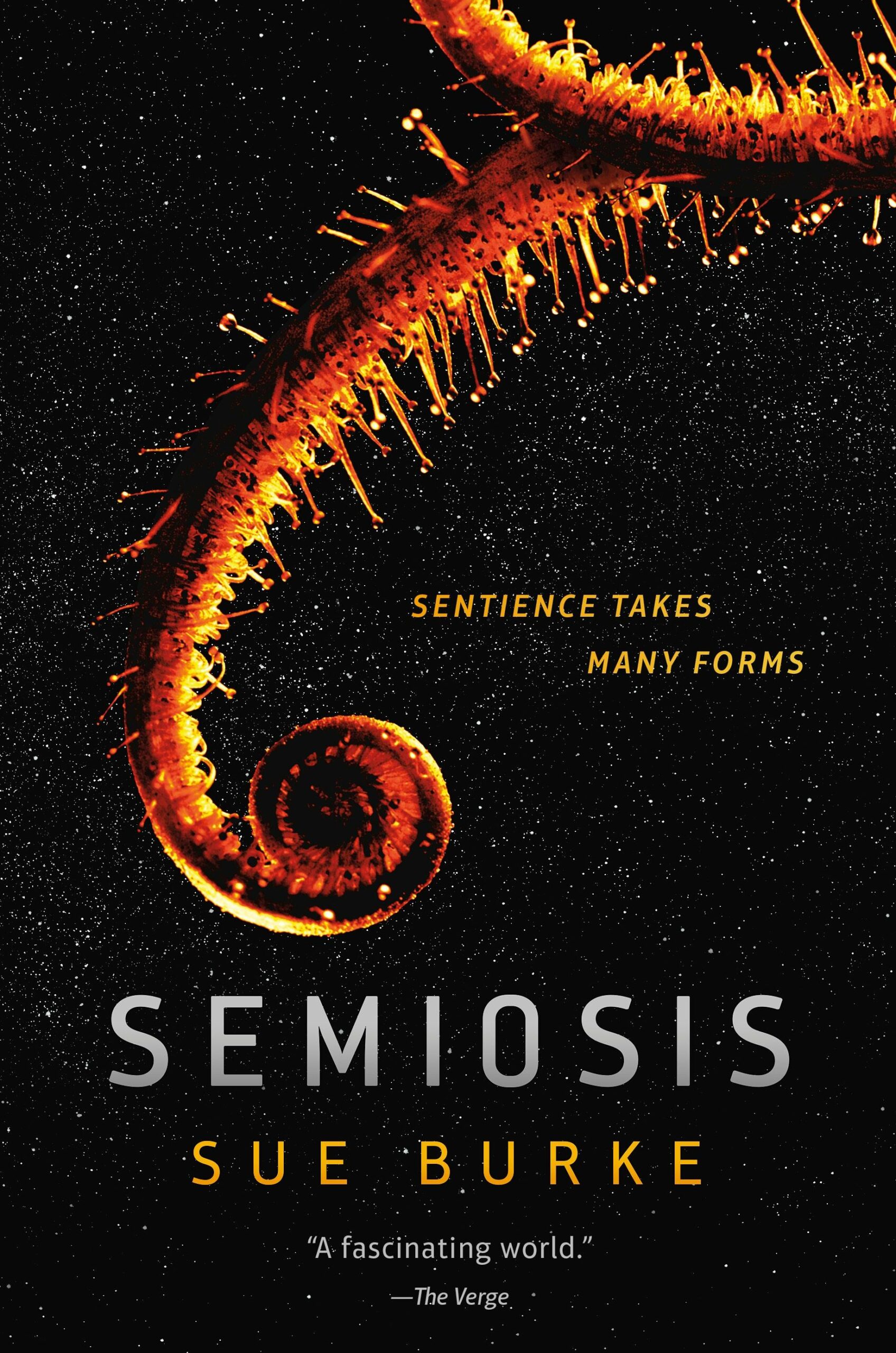
Semiosis
by Sue Burke
Semiosis
(Book 1)
Human settlers leave a ruined Earth hoping for a gentler life on a distant planet, only to find that survival depends on understanding their surroundings. Across several generations, the colonists wrestle with a puzzling, intelligent presence in the local plant life, and with the negotiations it demands. A thoughtful, character-led story about cooperation, communication and what it means to share a world with a very different mind.
Goodreads: 3.91
Rated 3.91 out of 5
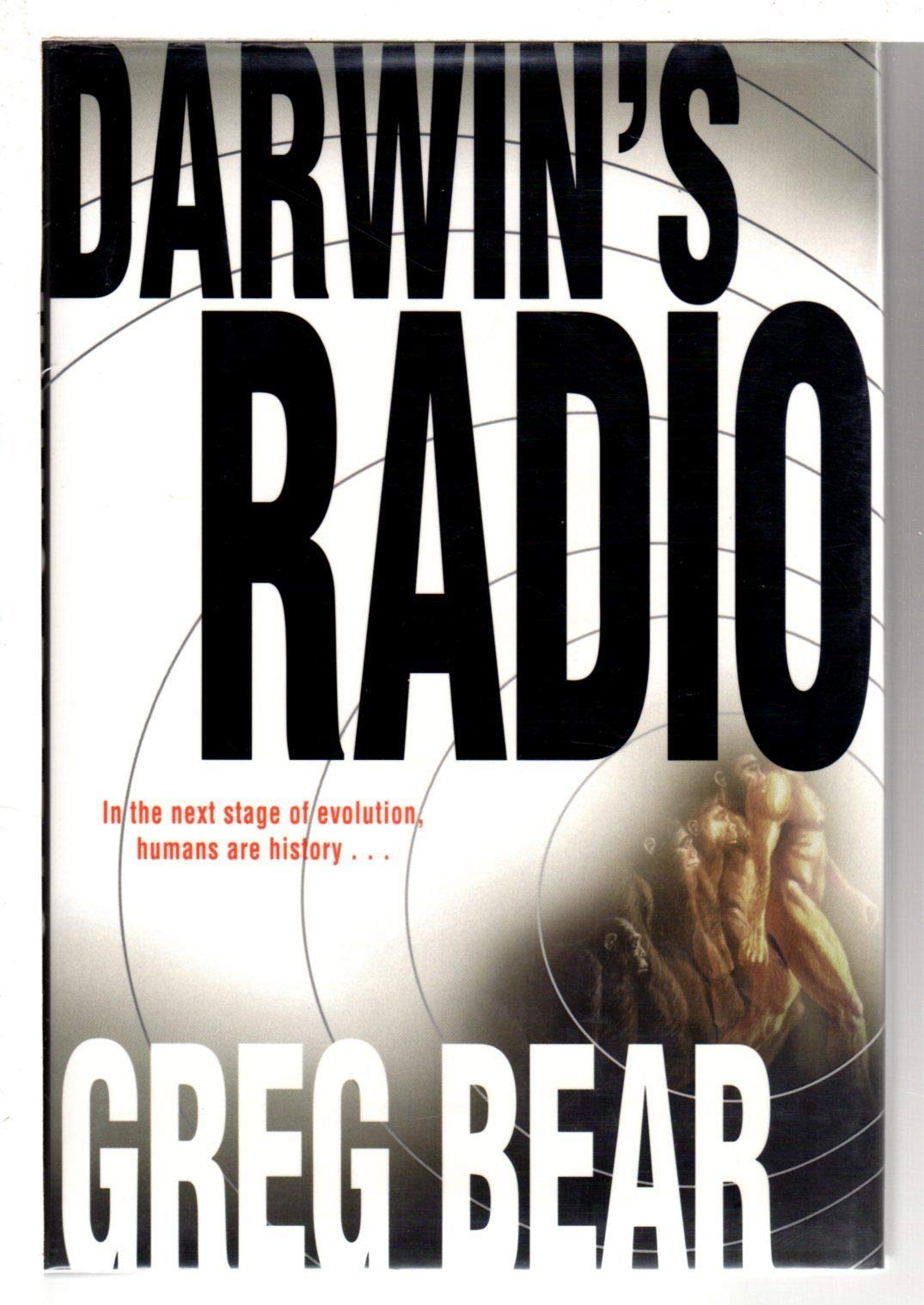
Darwin’s Radio
by Greg Bear
Darwin’s Radio
(Book 1)
When ancient viral fragments buried in human DNA awaken, women around the world find themselves pregnant in unsettling new ways. A virologist, an anthropologist and a molecular biologist race to understand what is happening, while governments panic and fear spreads. Bear builds a gripping scientific thriller on the idea that evolution may leap rather than creep, and asks how society would respond if the next human species were already arriving.
Goodreads: 3.73
Rated 3.73 out of 5
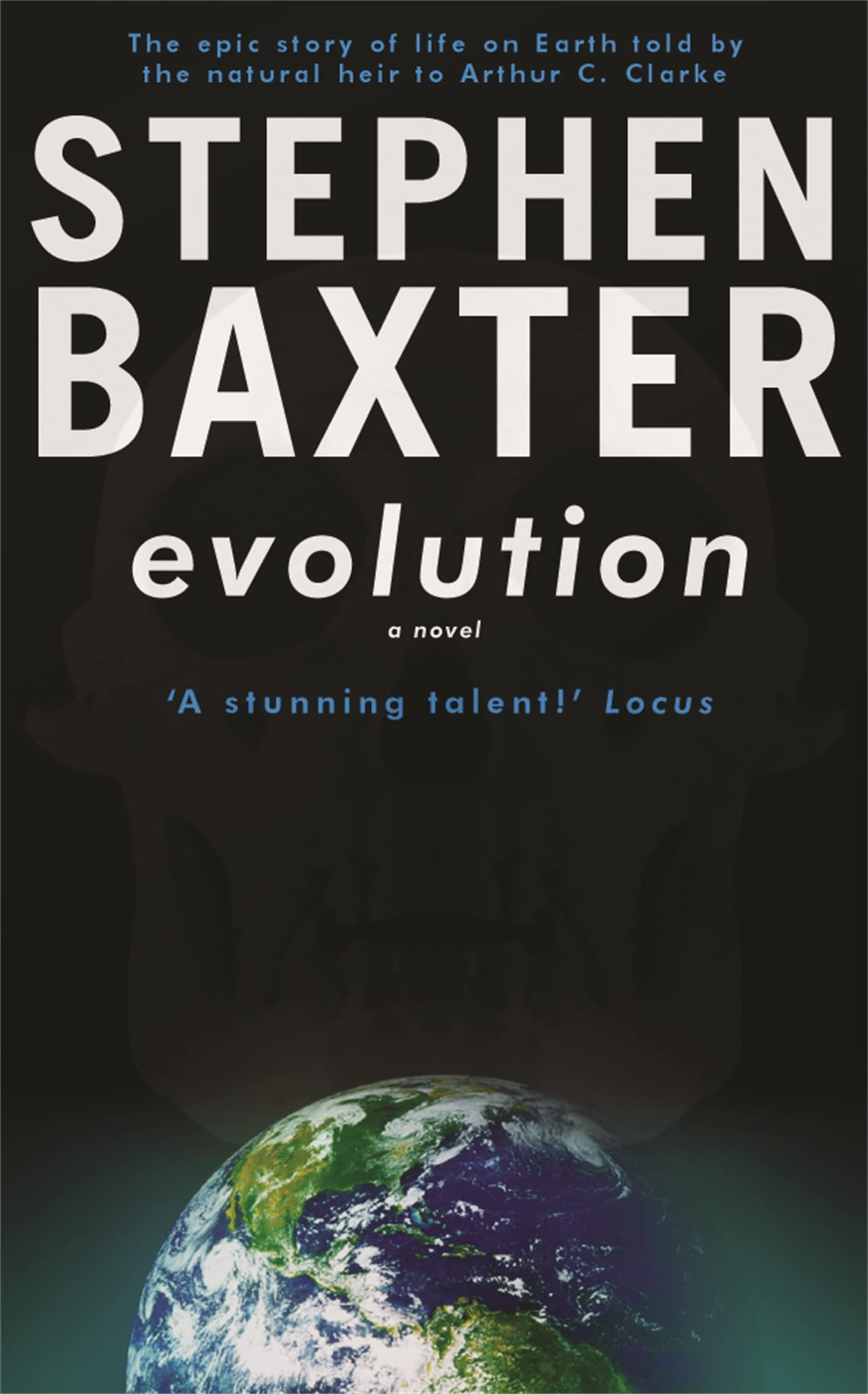
Evolution
by Stephen Baxter
Baxter follows a single lineage of descendants, from a small shrew-like mammal in the age of the dinosaurs to the strange creatures of a distant future, across some 565 million years. Each chapter drops into a new era and a new crisis, building a humbling portrait of how life endures, adapts and sometimes fails. It is rigorous, inventive and unsentimental, and it makes humanity a small passing moment.
Goodreads: 4.02
Rated 4.02 out of 5
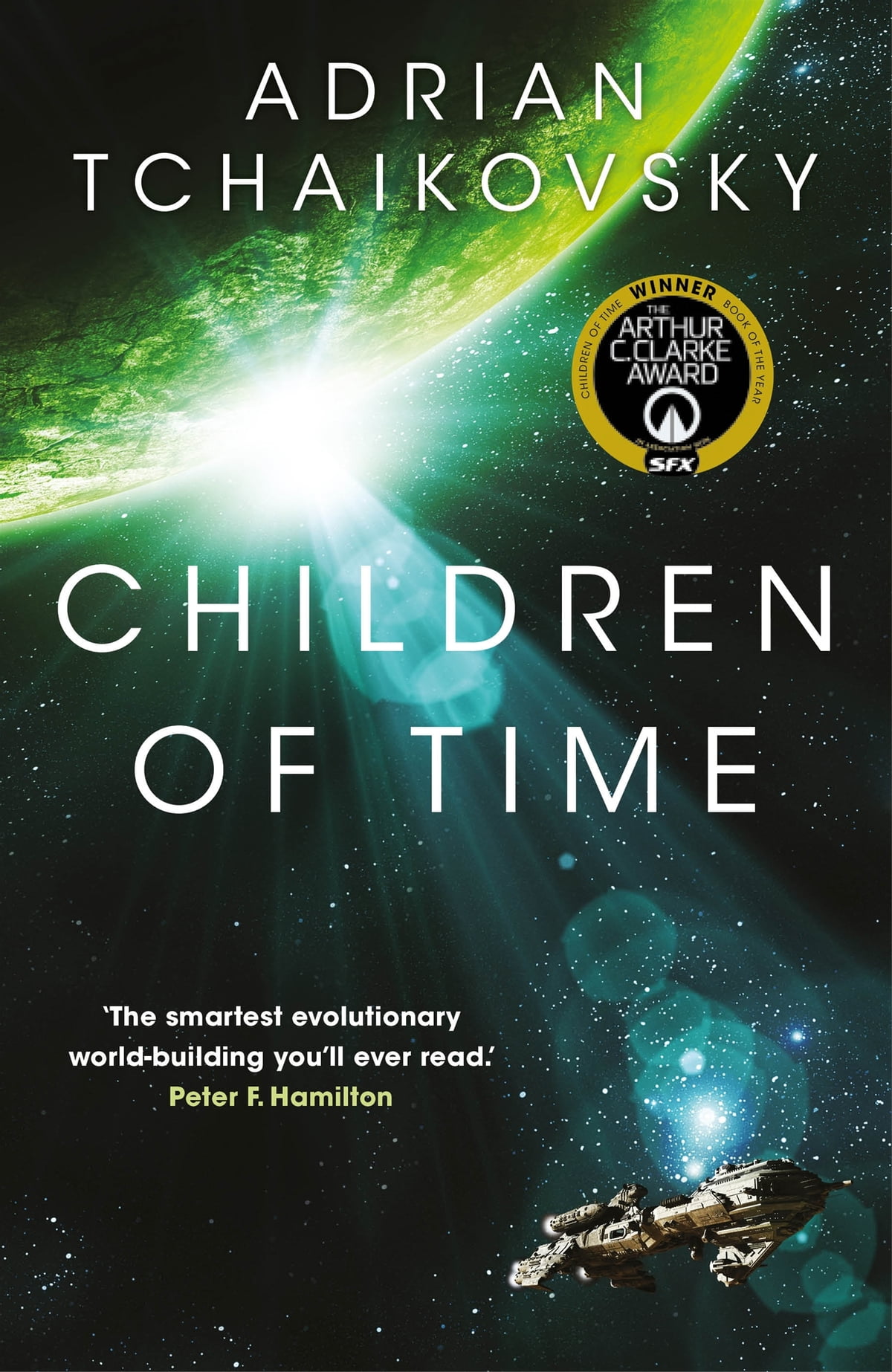
Children of Time
by Adrian Tchaikovsky
Children of Time
(Book 1)
A race for survival among the stars… Humanity’s last survivors escaped earth’s ruins to find a new home. But when they find it, can their desperation overcome its dangers?
WHO WILL INHERIT THIS NEW EARTH?
The last remnants of the human race left a dying Earth, desperate to find a new home among the stars. Following in the footsteps of their ancestors, they discover the greatest treasure of the past age—a world terraformed and prepared for human life.
But all is not right in this new Eden. In the long years since the planet was abandoned, the work of its architects has borne disastrous fruit. The planet is not waiting for them, pristine and unoccupied. New masters have turned it from a refuge into mankind’s worst nightmare.
Now two civilizations are on a collision course, both testing the boundaries of what they will do to survive. As the fate of humanity hangs in the balance, who are the true heirs of this new Earth?
Goodreads: 4.29
Rated 4.29 out of 5
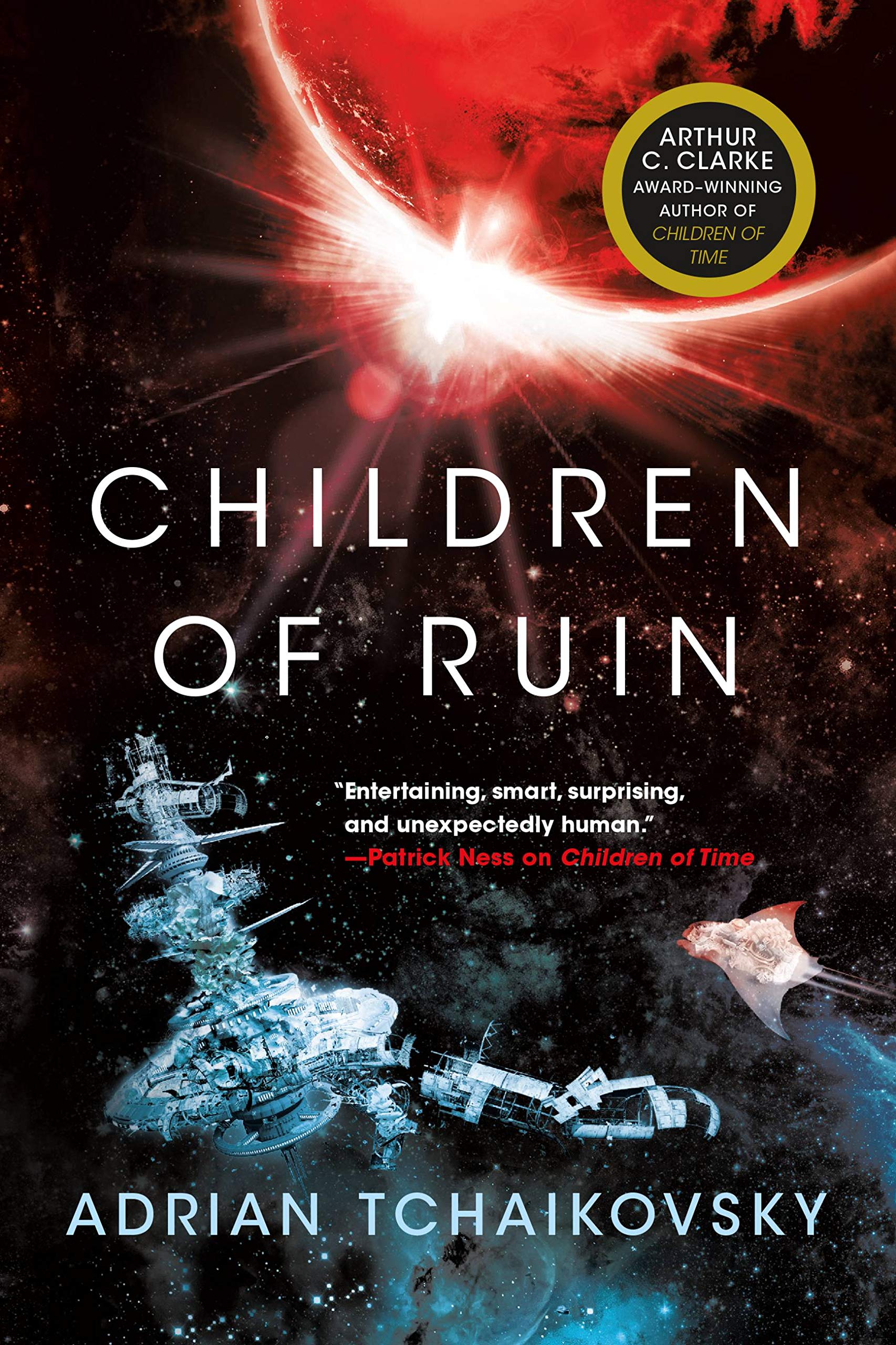
Children of Ruin
by Adrian Tchaikovsky
Children of Time
(Book 2)
Generations after the events of the first book, humans and their spider allies find a distant planet where an earlier terraforming experiment went strangely wrong. Beneath the waves lives an alien intelligence with a body and mind spread across many arms, thinking in ways no one expected. Contact is tense and unsettling, and the novel keeps asking what counts as a single mind, and what it means to understand one.
Goodreads: 4.04
Rated 4.04 out of 5
Doors of Eden
by Adrian Tchaikovsky
Lee’s best friend went missing on Bodmin Moor, four years ago. She and Mal were chasing rumours of monsters when they found something all too real. Now Mal is back, but where has she been, and who is she working for?
When government physicist Kay Amal Khan is attacked, the security services investigate. This leads MI5’s Julian Sabreur deep into terrifying new territory, where he clashes with mysterious agents of an unknown power who may or may not be human. And Julian’s only clue is some grainy footage – showing a woman who supposedly died on Bodmin Moor.
Khan’s extradimensional research was purely theoretical, until she found cracks between our world and countless others. Parallel Earths where monsters live. These cracks are getting wider every day, so who knows what might creep through? Or what will happen when those walls finally come crashing down…
Goodreads: 3.87
Rated 3.87 out of 5
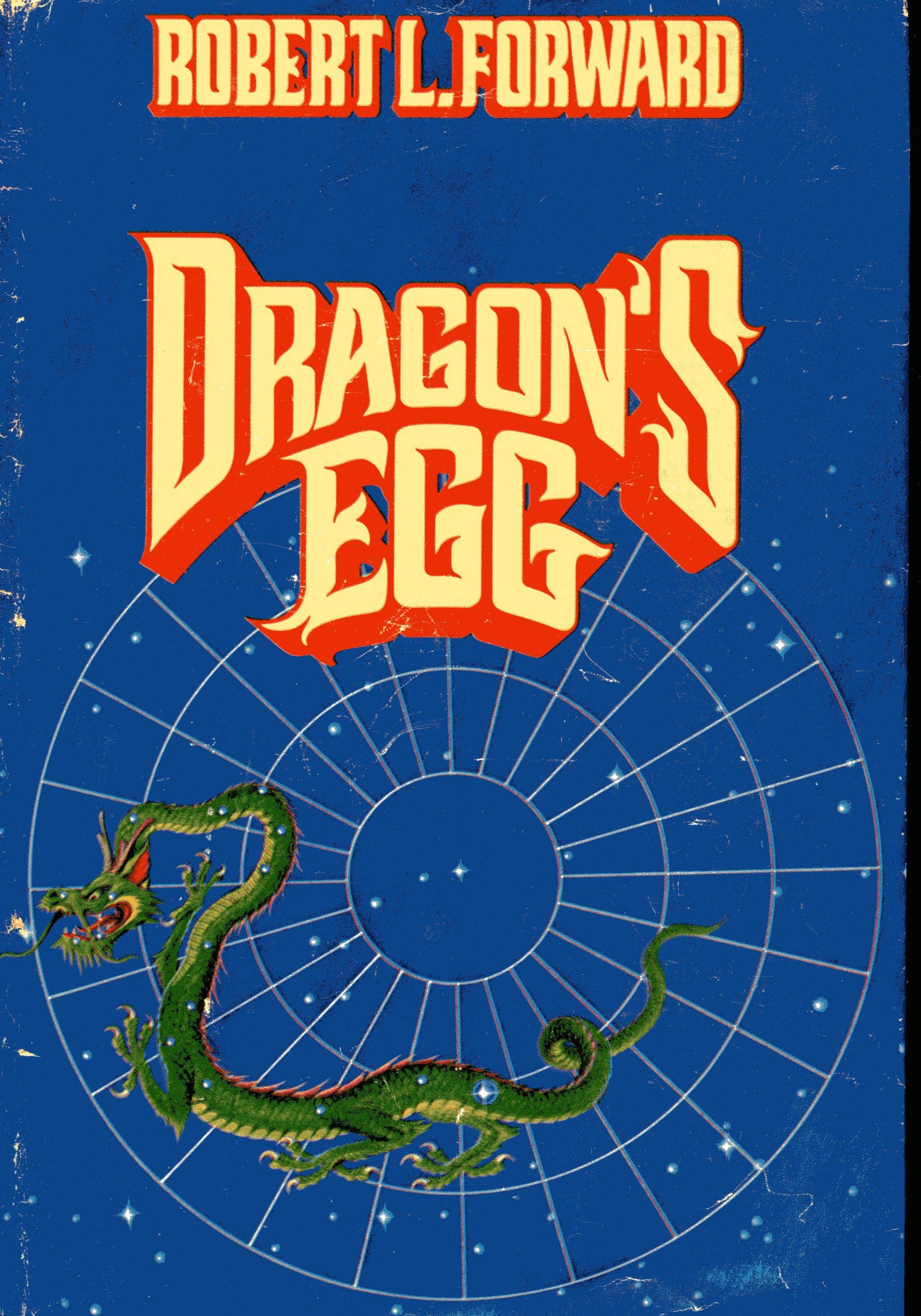
Dragon’s Egg
by Robert L. Forward
Dragon’s Egg
(Book 1)
A human expedition discovers a neutron star whose crushing gravity and magnetic fields host tiny creatures, the cheela, who live and think millions of times faster than we do. Within hours, entire generations rise, learn and surpass their observers. A physicist’s thought experiment turned novel, it makes the gulf between different kinds of minds feel thrillingly vast.
Goodreads: 4.12
Rated 4.12 out of 5
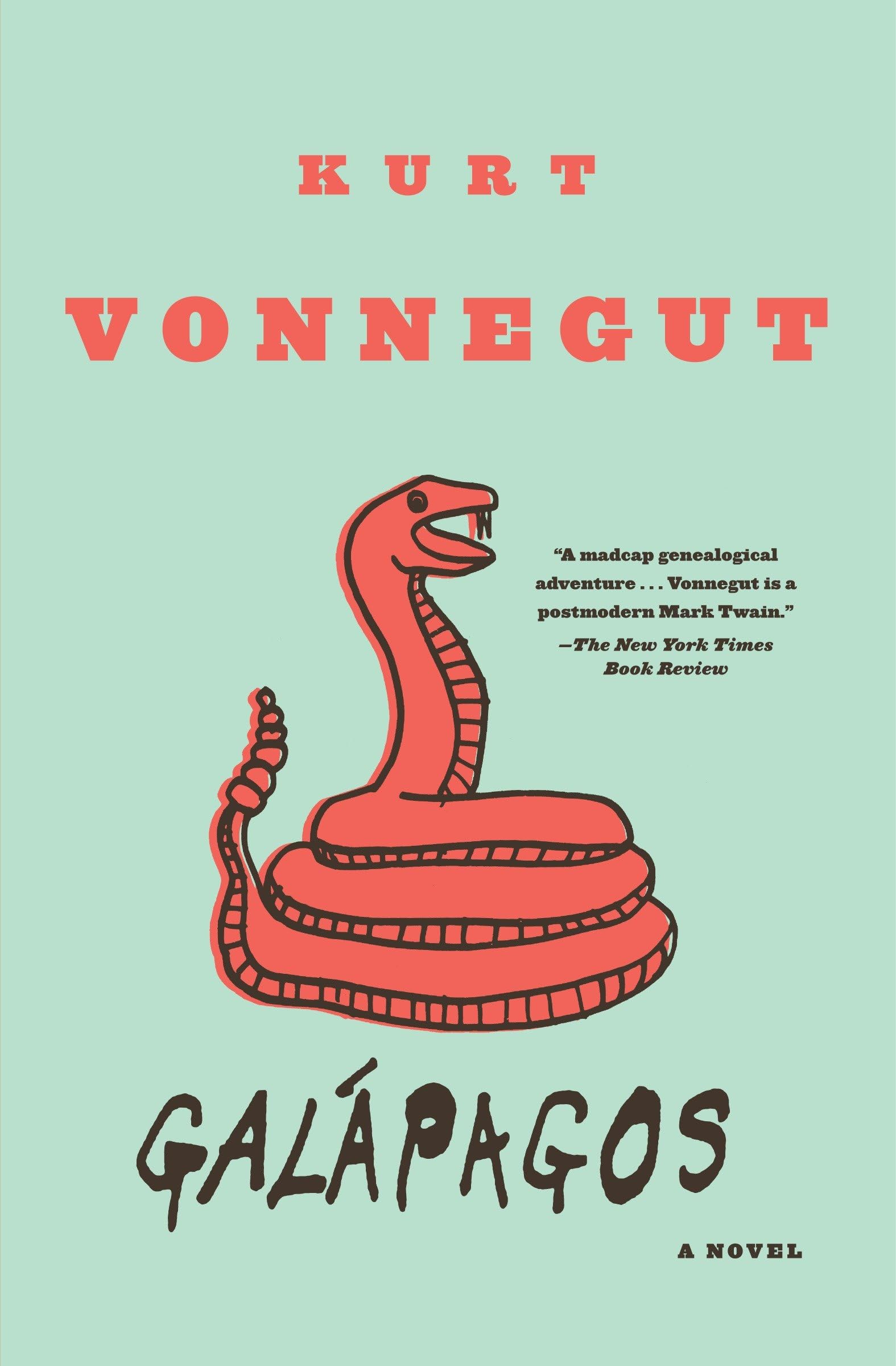
Galápagos
by Kurt Vonnegut
A million years after a financial and biological collapse leaves humanity almost extinct, a ghostly narrator describes how a small group of castaways on the Galápagos Islands became the ancestors of a very different species. Vonnegut mixes dark humour with Darwinian speculation, suggesting our big brains were less a gift than a flaw. It is short, sly and surprisingly tender, a fable about adaptation, absurdity and what natural selection might reward.