The Travelling Symphony: 11 Sci-Fi Novels for Readers Who Loved Station Eleven
If Emily St. John Mandel’s elegiac end-of-the-world left you wanting more, start here. These twelve novels trade explosions for memory, art and small human connections, finding tenderness among ruins and strange futures.
Facebook
Twitter
WhatsApp
Email
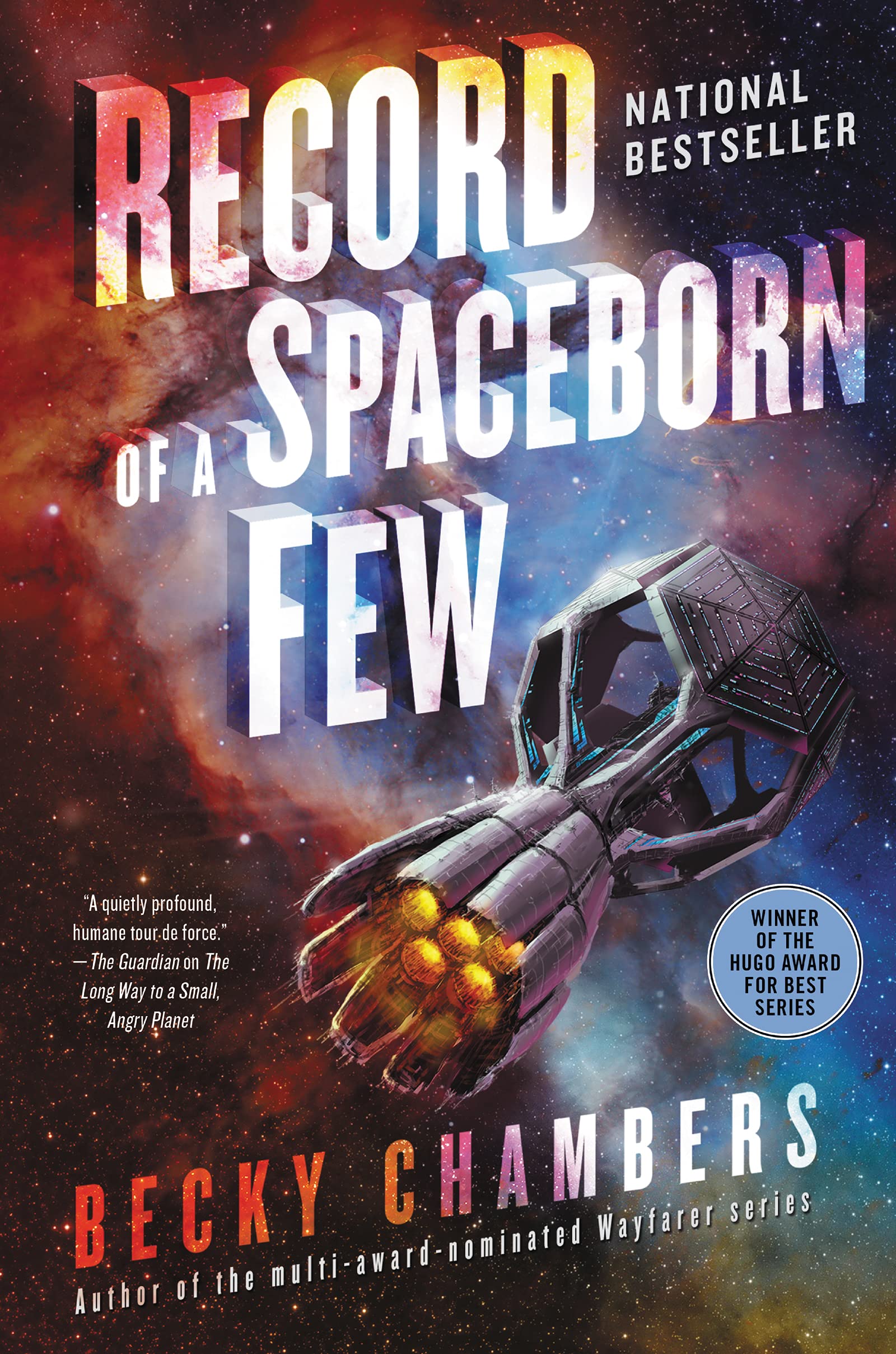
Record of a Spaceborn Few
by Becky Chambers
Wayfarers
(Book 3)
Life aboard the Exodus Fleet, the vast generation ships that carried humanity from a ruined Earth, is explored through five quiet lives: an archivist, a caretaker of the dead, a newcomer, a teenager and a visitor. Nothing explodes; instead, small choices about belonging, tradition and purpose unfold with great tenderness. It is a thoughtful, humane and deeply comforting book about community, best read slowly with something hot in your hand.
Goodreads: 4.12
Rated 4.12 out of 5
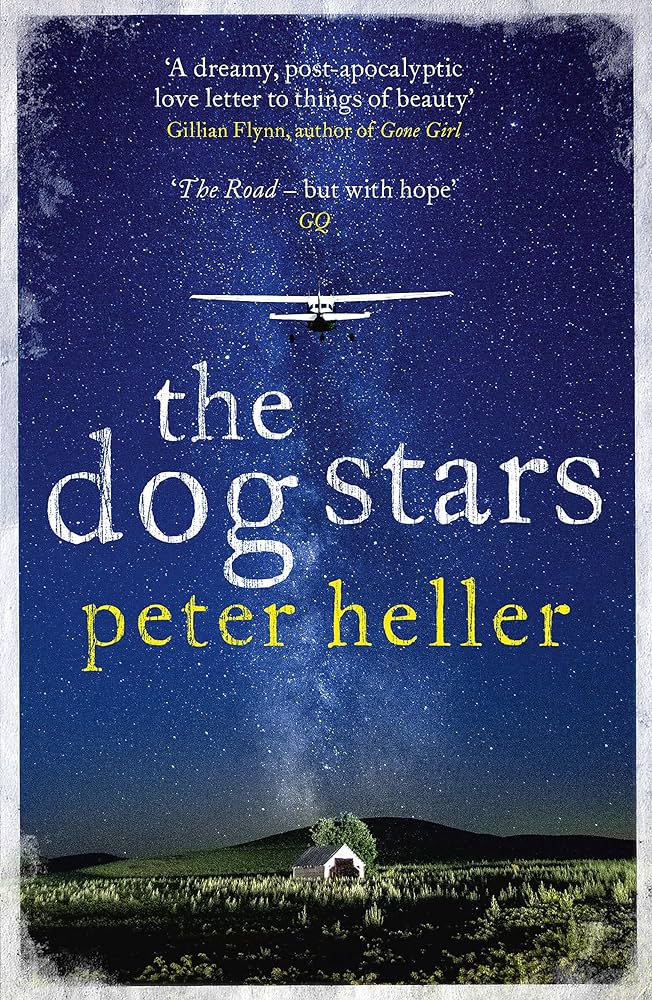
The Dog Stars
by Peter Heller
Hig somehow survived the flu pandemic that killed everyone he knows. Now his wife is gone, his friends are dead, and he lives in the hangar of a small abandoned airport with his dog, Jasper, and a mercurial, gun-toting misanthrope named Bangley.
But when a random transmission beams through the radio of his 1956 Cessna, the voice ignites a hope deep inside him that a better life exists outside their tightly controlled perimeter. Risking everything, he flies past his point of no return and follows its static-broken trail, only to find something that is both better and worse than anything he could ever hope for.
Goodreads: 3.00
Rated 3 out of 5
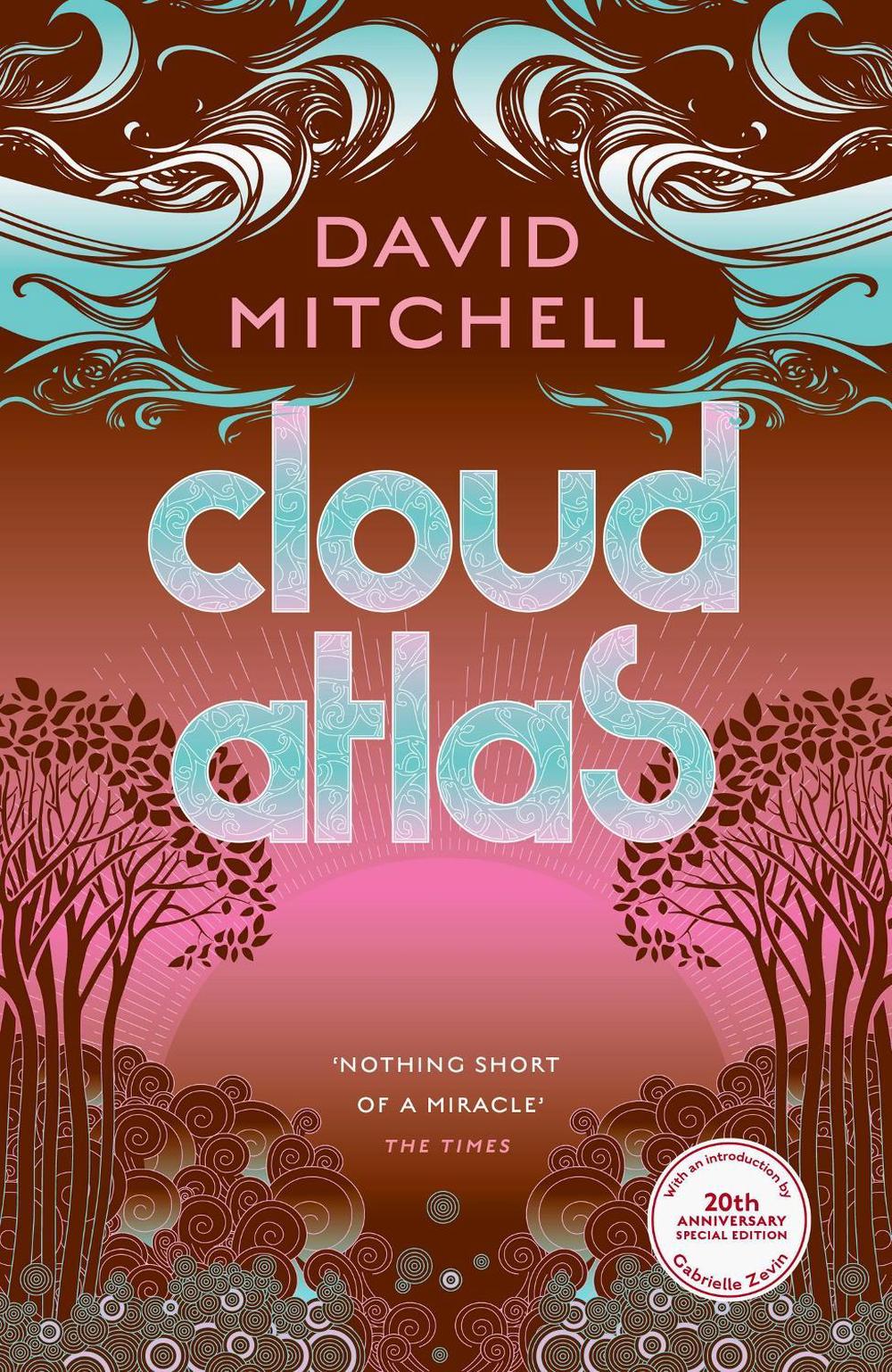
Cloud Atlas
by David Mitchell
Six nested stories span centuries, from a nineteenth-century Pacific voyage to a far-future world after collapse. Each section is written in a different voice and genre, yet echoes of the others pass between them like a shared dream. Mitchell’s dazzling command of style and structure makes this an ambitious, inventive novel about power, predation and the faint threads that connect human lives.
Goodreads: 4.01
Rated 4.01 out of 5
Earth Abides
by George R. Stewart
A disease of unparalleled destructive force has sprung up almost simultaneously in every corner of the globe, all but destroying the human race. One survivor, strangely immune to the effects of the epidemic, ventures forward to experience a world without man. What he ultimately discovers will prove far more astonishing than anything he’d either dreaded or hoped for.
Goodreads: 3.94
Rated 3.94 out of 5
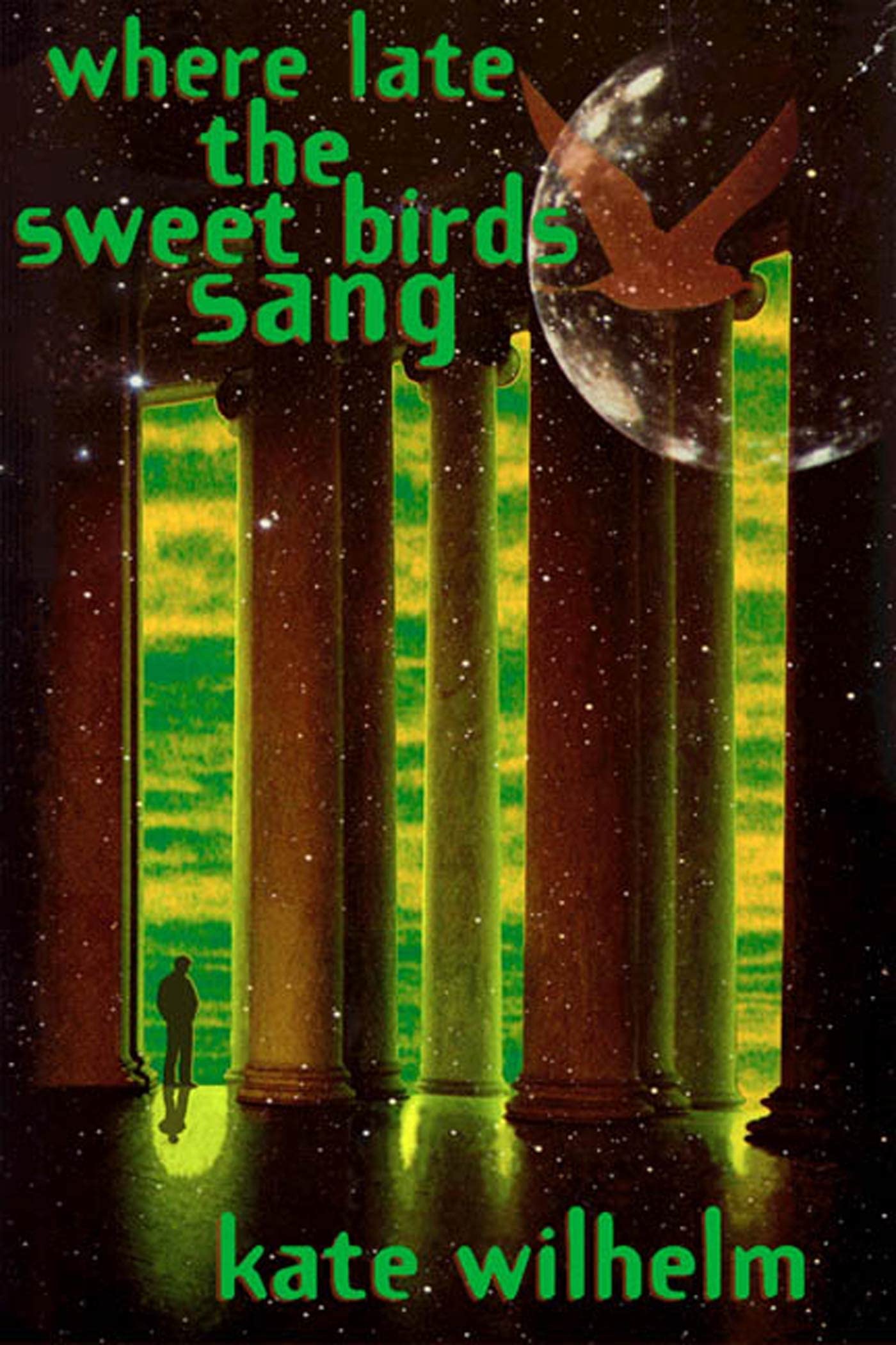
Where Late the Sweet Birds Sang
by Kate Wilhelm
As environmental disaster and sterility ravage the world, one prosperous family in the Shenandoah Valley turns to cloning in hopes of preserving humanity. Over generations, the clones thrive as a tightly knit group while the individuals around them struggle with what has been lost. Wilhelm’s Hugo-winning novel is a thoughtful, melancholic study of community, identity and creativity, asking what makes us human when everyone around us is the same.
Goodreads: 3.85
Rated 3.85 out of 5
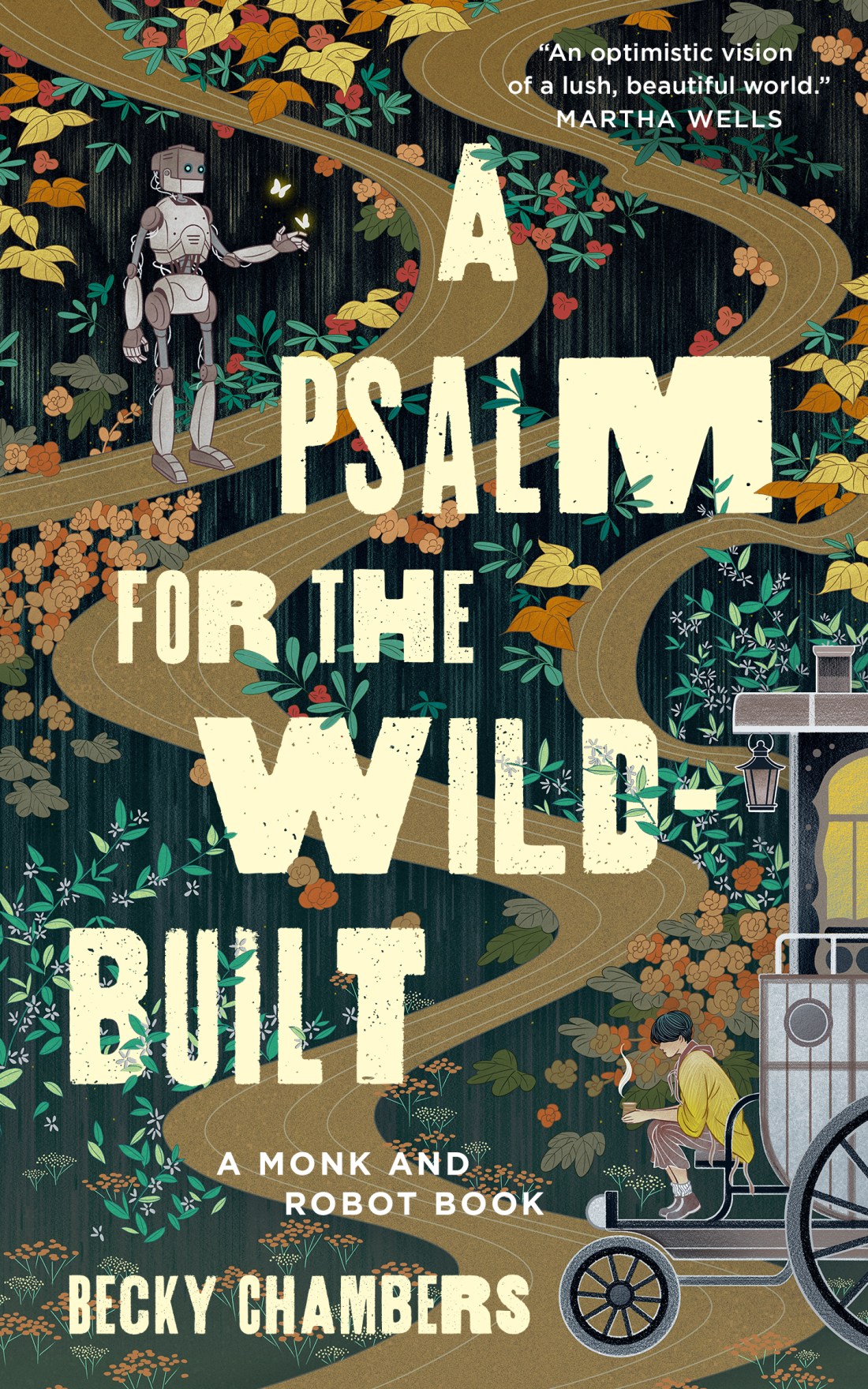
A Psalm for the Wild-Built
by Becky Chambers
Monk & Robot
(Book 1)
In a world where robots left human society long ago, a tea monk named Sibling Dex goes looking for something they cannot name. Their journey brings them face to face with Mosscap, a robot sent to check on humanity. What follows is a gentle, thoughtful road trip about purpose, comfort and friendship, as two very different beings learn what they need from one another.
Goodreads: 4.19
Rated 4.19 out of 5
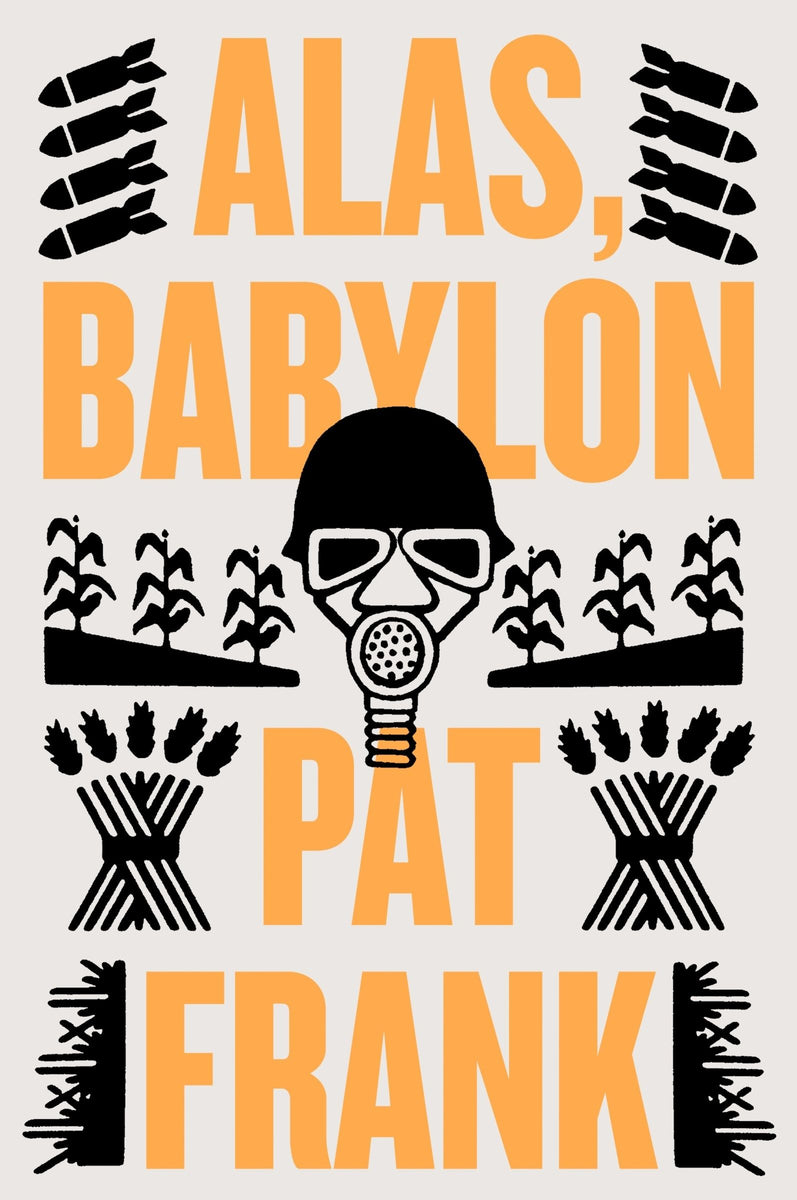
Alas, Babylon
by Pat Frank
When nuclear war erupts, the small Florida town of Fort Repose is suddenly cut off from the world. Randy Bragg, an unassuming local, finds himself helping neighbours of every background to share food, defend their homes and rebuild a workable community. Written in 1959, it is practical and humane rather than lurid, and it dwells on ordinary kindness, stubborn hope and the surprising resilience of people forced to depend on one another.
Goodreads: 4.09
Rated 4.09 out of 5
A Canticle for Leibowitz
by Walter M. Miller Jr
In a nightmarish ruined world slowly awakening to the light after sleeping in darkness, the infant rediscoveries of science are secretly nourished by cloistered monks dedicated to the study and preservation of the relics and writings of the blessed Saint Isaac Leibowitz. From here the story spans centuries of ignorance, violence, and barbarism, viewing through a sharp, satirical eye the relentless progression of a human race damned by its inherent humanness to recelebrate its grand foibles and repeat its grievous mistakes.
Goodreads: 3.99
Rated 3.99 out of 5
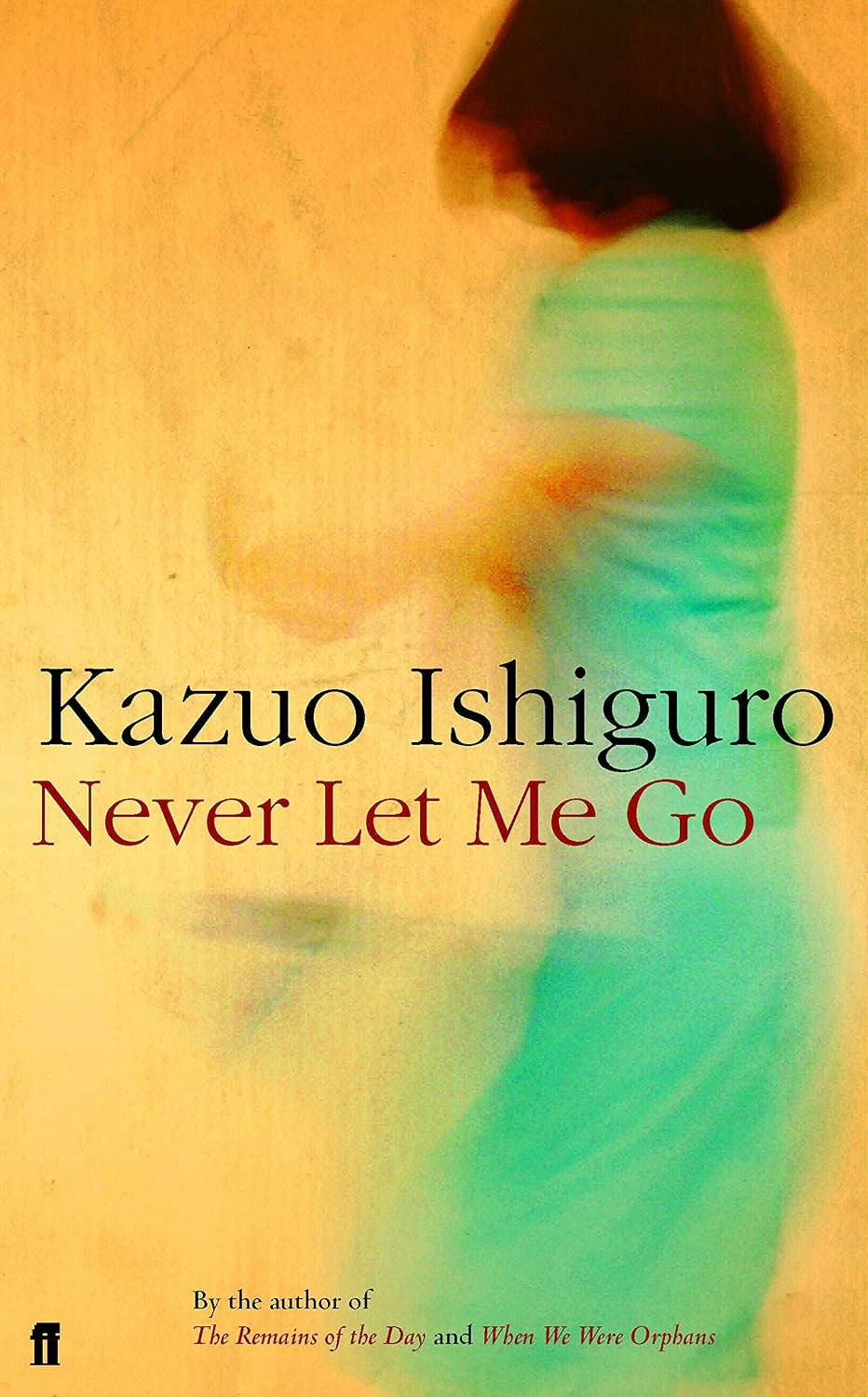
Never Let Me Go
by Kazuo Ishiguro
Looking back from adulthood, Kathy recalls her years at Hailsham, an English boarding school where the pupils are oddly sheltered and quietly watched. As friendships and a love triangle unfold, the true purpose of their upbringing slowly comes into focus. Ishiguro’s restrained, melancholy narration makes this a devastating study of memory, mortality and acceptance, and a speculative story that few readers forget.
Goodreads: 3.85
Rated 3.85 out of 5
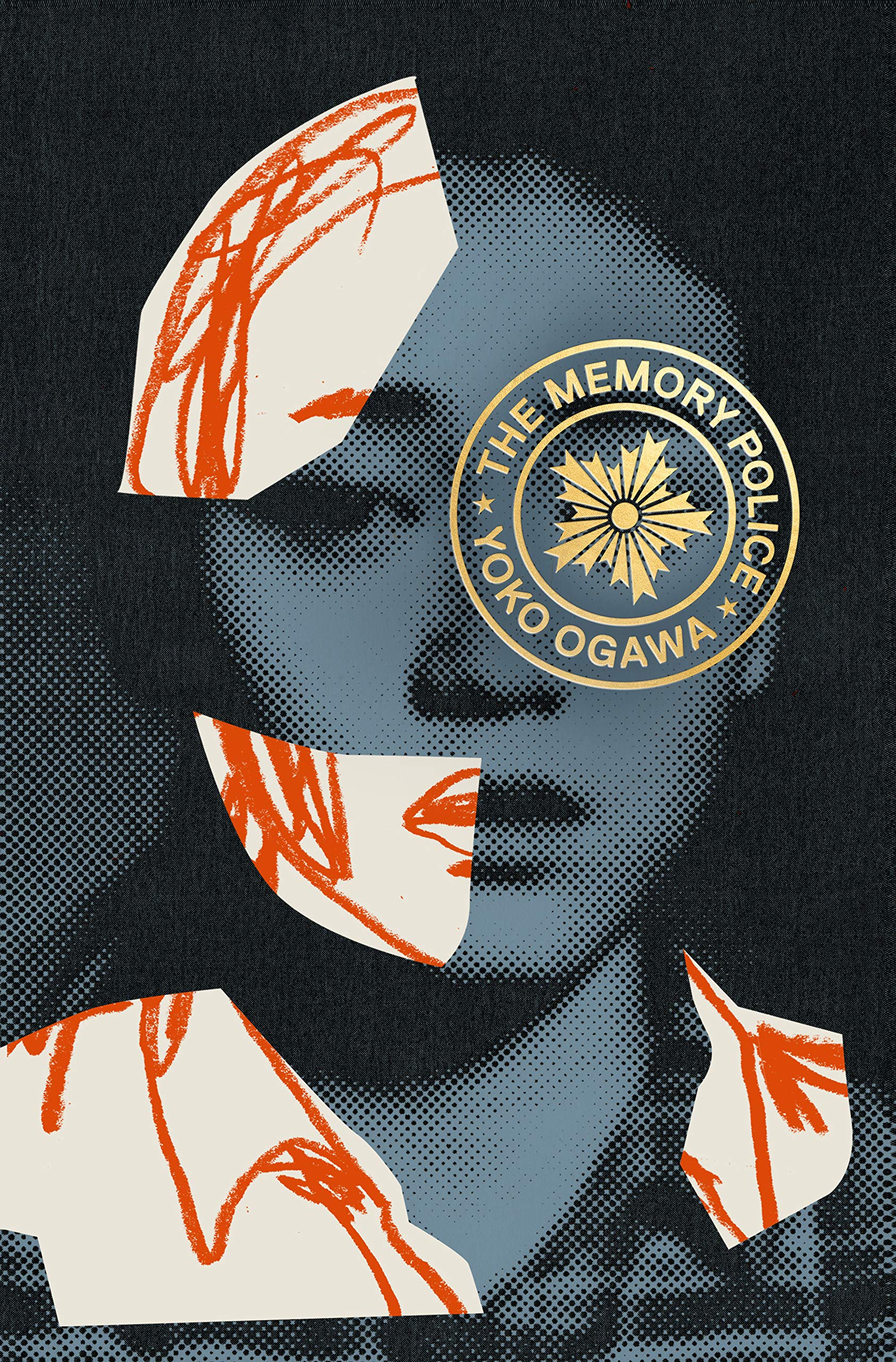
The Memory Police
by Yōko Ogawa
On an unnamed island, objects and ideas vanish one by one, and everyone’s memory of them vanishes too. Those who can’t forget are hunted by the Memory Police. A young novelist, who is writing a story of her own, decides to hide her editor from the authorities. It is a quiet, eerie study of erasure, complicity and fear, in which the loss of reality comes gently and no one resists it.
Goodreads: 3.67
Rated 3.67 out of 5
Sea of Tranquility
by Emily St. John Mandel
Edwin St. Andrew is eighteen years old when he crosses the Atlantic by steamship, exiled from polite society following an ill-conceived diatribe at a dinner party. He enters the forest, spellbound by the beauty of the Canadian wilderness, and suddenly hears the notes of a violin echoing in an airship terminal–an experience that shocks him to his core.
Two centuries later a famous writer named Olive Llewellyn is on a book tour. She’s traveling all over Earth, but her home is the second moon colony, a place of white stone, spired towers, and artificial beauty. Within the text of Olive’s best-selling pandemic novel lies a strange passage: a man plays his violin for change in the echoing corridor of an airship terminal as the trees of a forest rise around him.
When Gaspery-Jacques Roberts, a detective in the black-skied Night City, is hired to investigate an anomaly in the North American wilderness, he uncovers a series of lives upended: The exiled son of an earl driven to madness, a writer trapped far from home as a pandemic ravages Earth, and a childhood friend from the Night City who, like Gaspery himself, has glimpsed the chance to do something extraordinary that will disrupt the timeline of the universe.