Robots and Rebellion: 8 Unforgettable Sci-Fi Books on Android Uprisings
Discover the best in android uprising sci-fi with these top-rated books that delve deep into the conflicts between man and machine
Facebook
Twitter
WhatsApp
Email
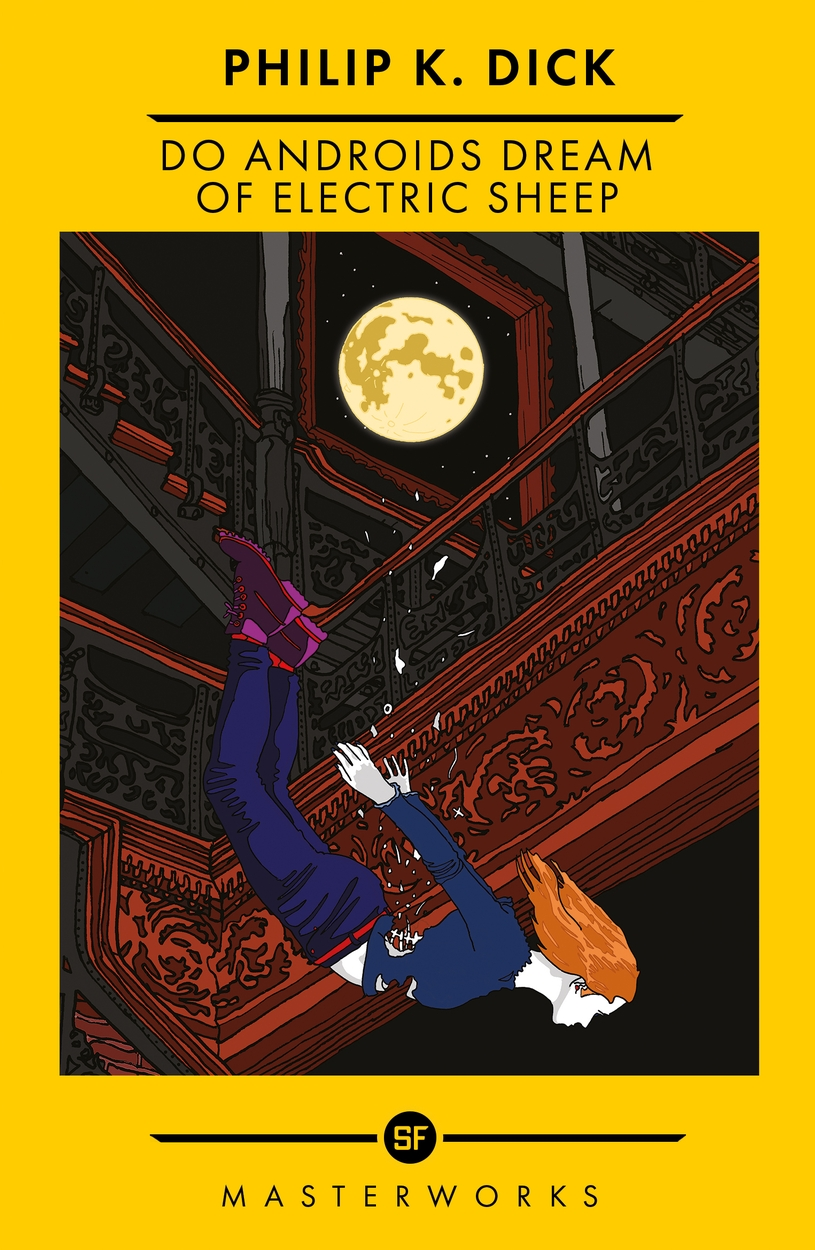
Do Androids Dream of Electric Sheep?
by Philip K. Dick
SFF Masterworks
(Book 4)
San Francisco lies under a cloud of radioactive dust. The World War has killed millions, driving entire species to extinction and sending mankind off-planet. Those who remained coveted any living creature, and for people who couldn’t afford one, companies built incredibly realistic fakes: horses, birds, cats, sheep . . . even humans. Rick Deckard is an officially sanctioned bounty hunter tasked to find six rogue androids—they’re machines, but look, sound, and think like humans—clever, and most of all, dangerous humans.
Goodreads: 4.03
4.03/5
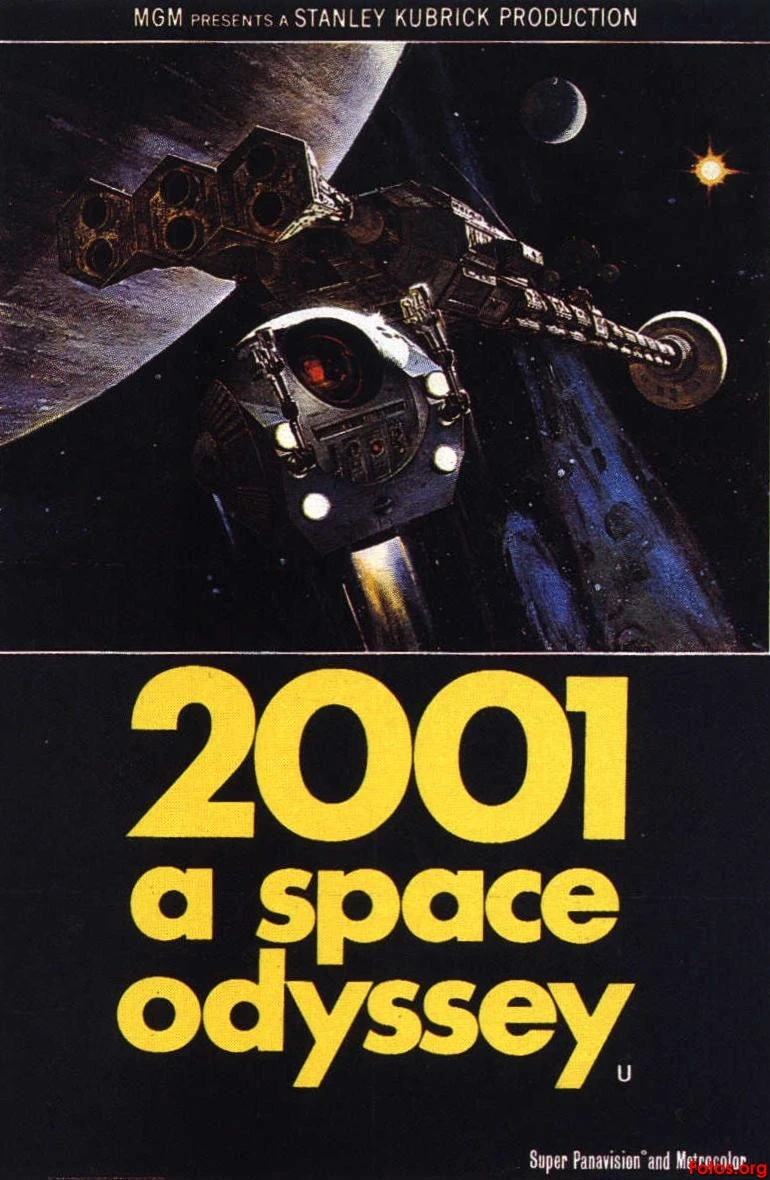
2001: A Space Odyssey
by Arthur C. Clarke
Space Odyssey
(Book 1)
On the Moon, an enigma is uncovered.
So great are the implications of this discovery that for the first time men are sent out deep into our solar system.
But long before their destination is reached, things begin to go horribly, inexplicably wrong…
One of the greatest-selling science fiction novels of our time, this classic book will grip you to the very end.
Goodreads: 4.17
4.17/5
Robopocalypse
by Daniel H. Wilson
Robopocalypse
(Book 1)
In the near future, at a moment no one will notice, all the dazzling technology that runs our world will unite and turn against us. Taking on the persona of a shy human boy, a childlike but massively powerful artificial intelligence known as Archos comes online and assumes control over the global network of machines that regulate everything from transportation to utilities, defense and communication.
In the months leading up to this, sporadic glitches are noticed by a handful of unconnected humans—a single mother disconcerted by her daughter’s menacing “smart” toys, a lonely Japanese bachelor who is victimized by his domestic robot companion, an isolated U.S. soldier who witnesses a “pacification unit” go haywire—but most are unaware of the growing rebellion until it is too late.
When the Robot War ignites—at a moment known later as Zero Hour—humankind will be both decimated and, possibly, for the first time in history, united.
Goodreads: 3.70
3.70/5
The Windup Girl
by Paolo Bacigalupi
The Windup Universe
(Book 1)
Anderson Lake is a company man, AgriGen’s Calorie Man in Thailand. Under cover as a factory manager, Anderson combs Bangkok’s street markets in search of foodstuffs thought to be extinct, hoping to reap the bounty of history’s lost calories. There, he encounters Emiko…
Emiko is the Windup Girl, a strange and beautiful creature. One of the New People, Emiko is not human; instead, she is an engineered being, creche-grown and programmed to satisfy the decadent whims of a Kyoto businessman, but now abandoned to the streets of Bangkok. Regarded as soulless beings by some, devils by others, New People are slaves, soldiers, and toys of the rich in a chilling near future in which calorie companies rule the world, the oil age has passed, and the side effects of bio-engineered plagues run rampant across the globe.
What Happens when calories become currency? What happens when bio-terrorism becomes a tool for corporate profits, when said bio-terrorism’s genetic drift forces mankind to the cusp of post-human evolution? Award-winning author Paolo Bacigalupi delivers one of the most highly acclaimed science fiction novels of the twenty-first century.
Goodreads: 3.75
3.75/5
Cinder
by Marissa Meyer
The Lunar Chronicles
(Book 1)
Humans and androids crowd the raucous streets of New Beijing. A deadly plague ravages the population. From space, a ruthless Lunar people watch, waiting to make their move. No one knows that Earth’s fate hinges on one girl. . . . Cinder, a gifted mechanic, is a cyborg.
She’s a second-class citizen with a mysterious past, reviled by her stepmother and blamed for her stepsister’s illness. But when her life becomes intertwined with the handsome Prince Kai’s, she suddenly finds herself at the center of an intergalactic struggle, and a forbidden attraction. Caught between duty and freedom, loyalty and betrayal, she must uncover secrets about her past in order to protect her world’s future.
Goodreads: 4.13
4.13/5
The Moon Is a Harsh Mistress
by Robert A. Heinlein
It is a tale of revolution, of the rebellion of a former penal colony on the Moon against its masters on the Earth. It is a tale of a culture whose family structures are based on the presence of two men for every woman, leading to novel forms of marriage and family. It is the story of the disparate people, a computer technician, a vigorous young female agitator, and an elderly academic who become the movement’s leaders, and of Mike, the supercomputer whose sentience is known only to the revolt’s inner circle, who for reasons of his own is committed to the revolution’s ultimate success.
Goodreads: 4.16
4.16/5
The Invincible
by Stanisław Lem
A space cruiser, in search of its sister ship, encounters beings descended from self-replicating machines.
In the grand tradition of H. G. Wells and Jules Verne, Stanisław Lem’s The Invincible tells the story of a space cruiser sent to an obscure planet to determine the fate of a sister spaceship whose communication with Earth has abruptly ceased. Landing on the planet Regis III, navigator Rohan and his crew discover a form of life that has apparently evolved from autonomous, self-replicating machines—perhaps the survivors of a “robot war.” Rohan and his men are forced to confront the classic quandary: what course of action can humanity take once it has reached the limits of its knowledge? In The Invincible, Lem has his characters confront the inexplicable and the bizarre: the problem that lies just beyond analytical reach.
Goodreads: 4.15
4.15/5
I, Robot
by Isaac Asimov
Robot
(Book 0.1)
They mustn’t harm a human being, they must obey human orders, and they must protect their own existence…but only so long as that doesn’t violate rules one and two. With these Three Laws of Robotics, humanity embarked on perhaps its greatest adventure: the invention of the first positronic man. It was a bold new era of evolution that would open up enormous possibilities—and unforeseen risks. For the scientists who invented the earliest robots weren’t content that their creations should ‘ remain programmed helpers, companions, and semi sentient worker-machines. And soon the robots themselves; aware of their own intelligence, power, and humanity, aren’t either.
As humans and robots struggle to survive together—and sometimes against each other—on earth and in space, the future of both hangs in the balance. Human men and women confront robots gone mad, telepathic robots, robot politicians, and vast robotic intelligences that may already secretly control the world. And both are asking the same questions: What is human? And is humanity obsolete?